10% of Micron's global manufacturing to happen in India: Ashwini Vaishnaw
Mar 30, 2026
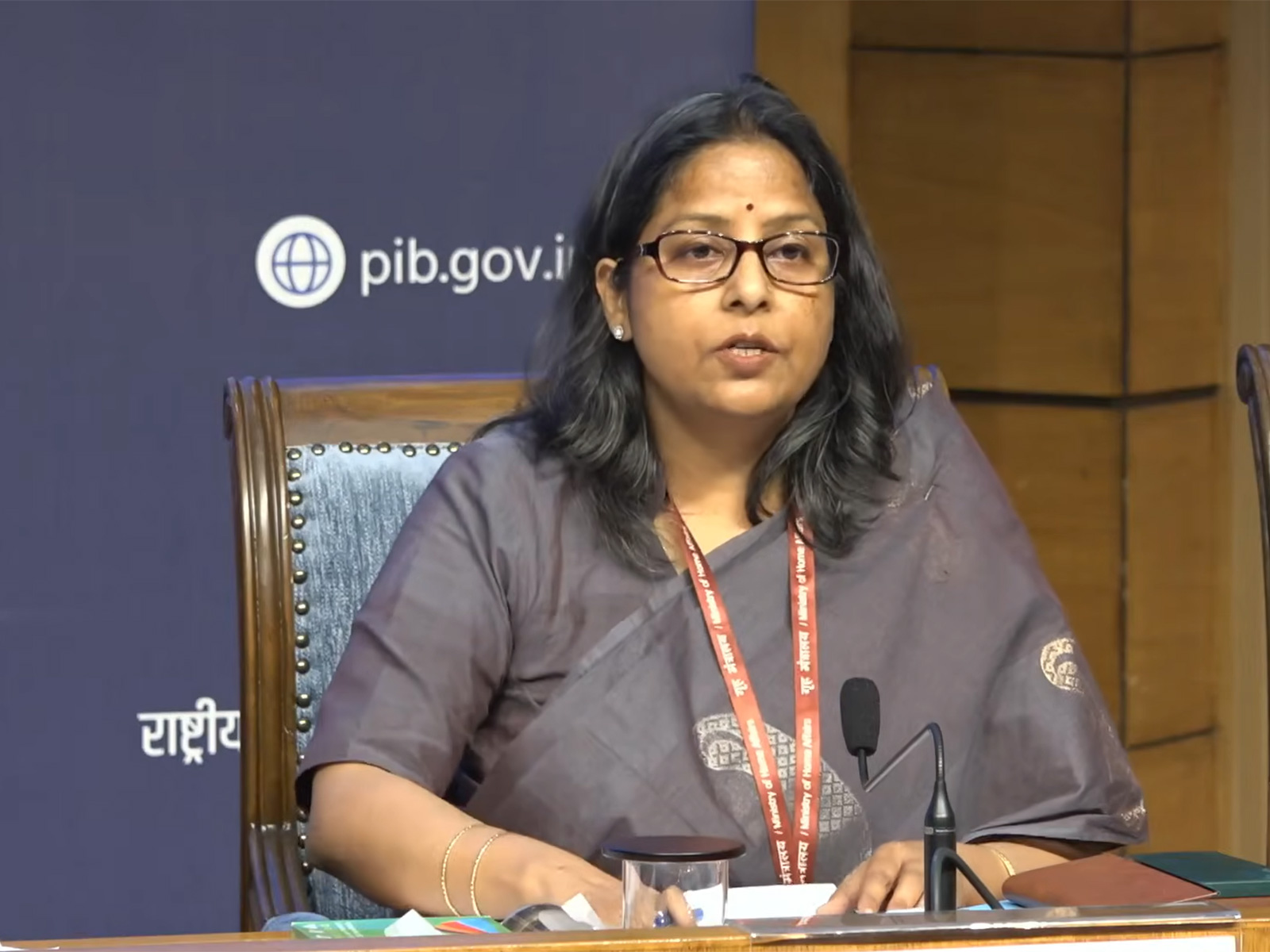
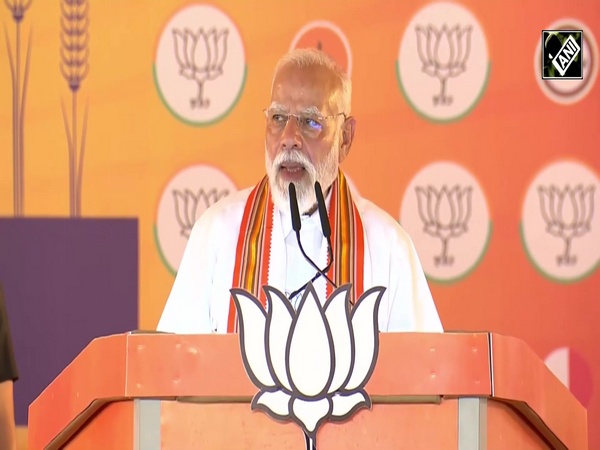
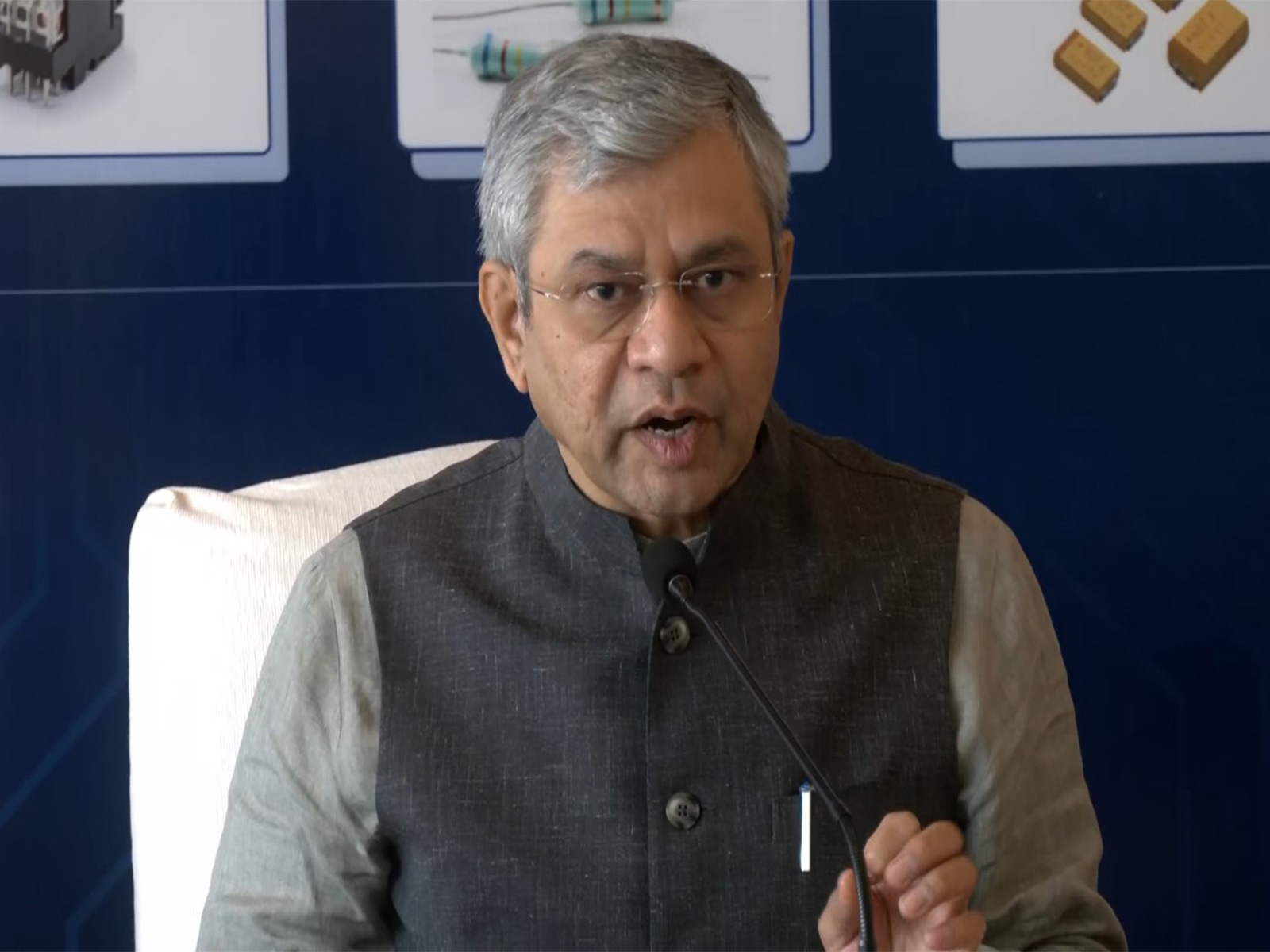
New Delhi [India], March 30 : About 10 per cent of global manufacturing by US-based semiconductor major Micron will take place in India as its memory plant ramps up production, Union Minister for Electronics and IT Ashwini Vaishnaw said on Monday, adding that the facility will help address the global surge in demand for memory chips driven by AI data centres.
He said India's first memory semiconductor facility by Micron Technology began commercial production recently and is expanding rapidly.
"The first memory plant was started in February at Micron plant, which will be meeting a large percentage of their global manufacturing in India. About 10% of their global manufacturing will happen in this plant.," Vaishnaw said.
"The commercial production started just a month back and now they are ramping up very fast," he added.
Responding to a question from ANI on whether smartphone prices could rise due to memory chip shortages amid the West Asia conflict, Vaishnaw said the demand surge is not linked to the war.
"Memory chip shortage, or rather the high demand which is happening is not because of the West Asia conflict. That is primarily because of the large infra build out which is happening in the AI data centers," the Minister said at a press conference after announcing approvals under the Electronics Component Manufacturing Scheme (ECMS).
The minister delivered a strong message to the electronics manufacturing industry and noted that the industry has yet to put in place a Six Sigma quality programme for electronics manufacturing and has been asked to submit a structured plan within 15 days.
"And of course the quality Six Sigma, that's a required thing, that has to be there. Otherwise the products will really not fit well into the global supply chain," he said.
"There is a reason for that... we want our industries to ramp up their capabilities in manufacturing design, in engineering design... design has to be done in India because that is where the real value gets captured," Vaishnaw said, emphasising the need to deepen capabilities in design, supply chains and talent development.
The minister indicated that the government would prioritise long-term national interests while shaping policy support for the sector.
"We will not hesitate in changing the scheme parameters to make sure that the industry looks at the long term growth of the country and not just the short term growth of the company. The nation first, always first," he said.
The comments came after the government approved 29 applications under the fourth tranche of the Electronics Component Manufacturing Scheme, taking the total number of approved projects under the scheme to 75.
According to Vaishnaw, these projects will bring in a total investment of Rs 61,671 crore and create about 65,000 direct jobs.
He added that progress on the ground has already begun, with many projects entering the construction stage.
"Out of the 75 project approvals, by now 28 projects have started construction," Vaishnaw said.
The minister said the new capacity will significantly reduce India's dependence on imports in key electronic components. Capacitor manufacturing will meet about 16 per cent of domestic demand, connectors about 33 per cent, and lithium-ion cells for digital electronics about 61 per cent.
"In laminates we will be able to meet 100 per cent of our domestic demand and will become global suppliers," he said.
Vaishnaw also said India has achieved a major milestone in the electronics sector, becoming a net exporter.
"Very glad to share with you that now we have become net exporter in the electronics segment. 2025 we have become net exporter. This is a big achievement for the country because for decades and decades we were importers," he said.
On the impact of the ongoing West Asia conflict on electronics manufacturing, the minister said industry bodies have not reported any disruptions so far.
"I've asked practically every industry association in electronics sector and each one of them has said, so far there is no impact... It's an evolving situation, so we'll keep continuously interacting with the industry," he said.