90% surge in respiratory illnesses among children, adults in Delhi OPDs due to air pollution: Experts
Dec 15, 2025
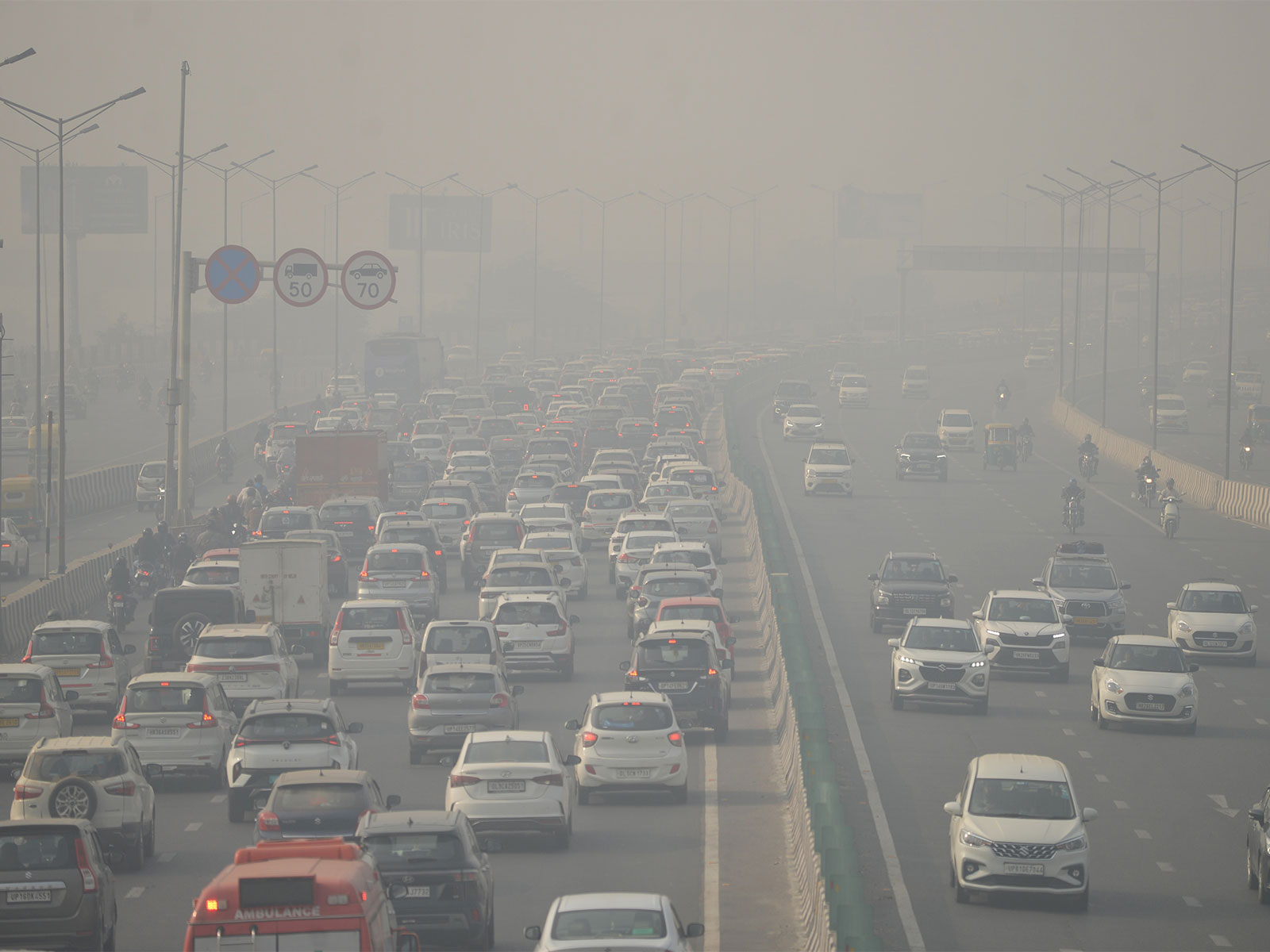
New Delhi [India], December 15 : Delhi's worsening air quality has triggered a sharp rise in respiratory and cardiac health problems, with doctors warning that the national capital is facing a "silent public health emergency" as the Air Quality Index (AQI) continues to remain in the 'severe' category.
Medical experts have reported a nearly 90 per cent increase in respiratory illness cases among both children and adults visiting outpatient departments (OPDs), directly linked to prolonged exposure to toxic air.
According to Dr Manav Manchanda, Director and Head of Respiratory, Critical Care and Sleep Medicine at Asian Hospital, fine particulate matter (PM2.5) penetrates deep into the lungs and enters the bloodstream, significantly increasing the risk of chronic respiratory diseases, heart attacks, strokes, and reduced immunity.
Speaking to ANI, Dr Manchanda said, "Delhi's air pollution is no longer just an environmental issue; it is a silent public health emergency. Every day, we see a rise in patients with breathing difficulties, persistent cough, asthma attacks, allergies, eye irritation and even heart-related com
plaints linked directly to poor air quality. Fine particulate matter like PM2.5 penetrates deep into the lungs and enters the bloodstream, increasing the risk of chronic respiratory diseases, heart attacks, strokes and reduced immunity."
"Children, elderly people, pregnant women and those with pre-existing conditions are the most vulnerable. Prolonged exposure to polluted air can also affect mental health, causing fatigue, anxiety and poor concentration. While wearing masks and using air purifiers may offer limited protection, these are not long-term solutions. What Delhi urgently needs is collective action, strict implementation of pollution-control policies, cleaner transport, reduced construction dust and public awareness. Clean air is not a luxury; it is a basic necessity for healthy living," he added.
Dr Dhiren Gupta, Senior Consultant of Paediatrics at Sir Gangaram Hospital, said that more than 90% cases of children are being reported for respiratory illnesses.
He stated, "We have to understand why kids are different from adults, right? They have a short height, so they are near the surface of the Earth, so most of the pollution, especially during cold weather, gets settled. Second, they breathe mostly from the mouth because many of these kids have a nasal blockage. Third is their respiratory rate is very high. So these are the causes which can lead to more ingestion, more inhalation of pollutants. We need to understand that all these kids are immature; their brains, lungs, whole body systems are immature, so obviously they are getting more affected."
"This time we are seeing more than 90% cases of children with respiratory illnesses. Many kids are coming due to severe asthma, and especially in the ward, this time number of patients has increased as compared to the last few years and some are getting admitted to ICUs," Dr Gupta added.
Speaking on the rising air pollution, Dr. GC Khilnani, Chairman of the PSRI Institute of Pulmonary, Critical Care & Sleep Medicine, said, "I see two types of patients, the young people who do not have any illness or respiratory illness, asthma, or bronchitis. They are coming with a very troubling cough, sore throat, running nose. When I examine them, I don't find anything. A test called fractional exhaled nitric oxide is done, which actually indicates the level of inflammation in the airways, and that I am finding is very high. There is no benefit of taking antibiotics for pollution-related cough and breathlessness. Another type of patient is the one who has previous heart disease, lung disease, they come to the emergency room with increased requirements of nebulization, breathlessness, increased requirements of oxygen."
"Younger children and the elderly are the worst affected because of this pollution. It is very important for everybody to stay at home to the extent possible. A special advisory for people who have asthma or heart disease or who are elderly is that these people should not go for early morning walks when the smog is there. If they want to go for a walk, they should use an N95 or N99 mask. Everybody is using air purifiers, but there are some precautions to be taken, like the air purifier should be on all the time, the room should be closed, and the filter should be replaced repeatedly," he suggested.
Dr Atul Mathur, Interventional Cardiologist and Executive Director Fortis Escorts Heart Institute, said, "This pollution problem in our country and especially in North India, has been there for many decades. There are two types of components in pollution. One is gases like nitrogen oxide gas, which is harmful, and the second is particulate matter. When these particles circulate in the body, they inflame the arteries of the body. This is the season where there are a lot of viruses, it is very important that you reduce your outdoor exposure. If it is very important to step out, then try to wear light masks."
Speaking to ANI, the father of a five-year-old child who has been suffering from a cough for one year said, "Our child has been suffering from a cough for almost a year, tried all the treatments, but his cough is still persistent due to Air pollution."
Meanwhile, Delhi continued to grapple with poor air quality on Monday, with the overall (AQI recorded at 452 at around 8 AM, placing it in the 'Severe' category, according to data from the Central Pollution Control Board (CPCB).
According to the Commission for Air Quality Management, the AQI was 457 at 4 PM today, classified as "Severe".
This continued the trend observed on Sunday, when the AQI was 461 at around 4 PM. Large parts of the city were covered in a dense layer of toxic smog, significantly reducing visibility and causing discomfort to residents.