AAP mocks PM Modi's "Angry Uncles" remark, says he wrote post "after looking at himself in mirror"
Sep 06, 2026
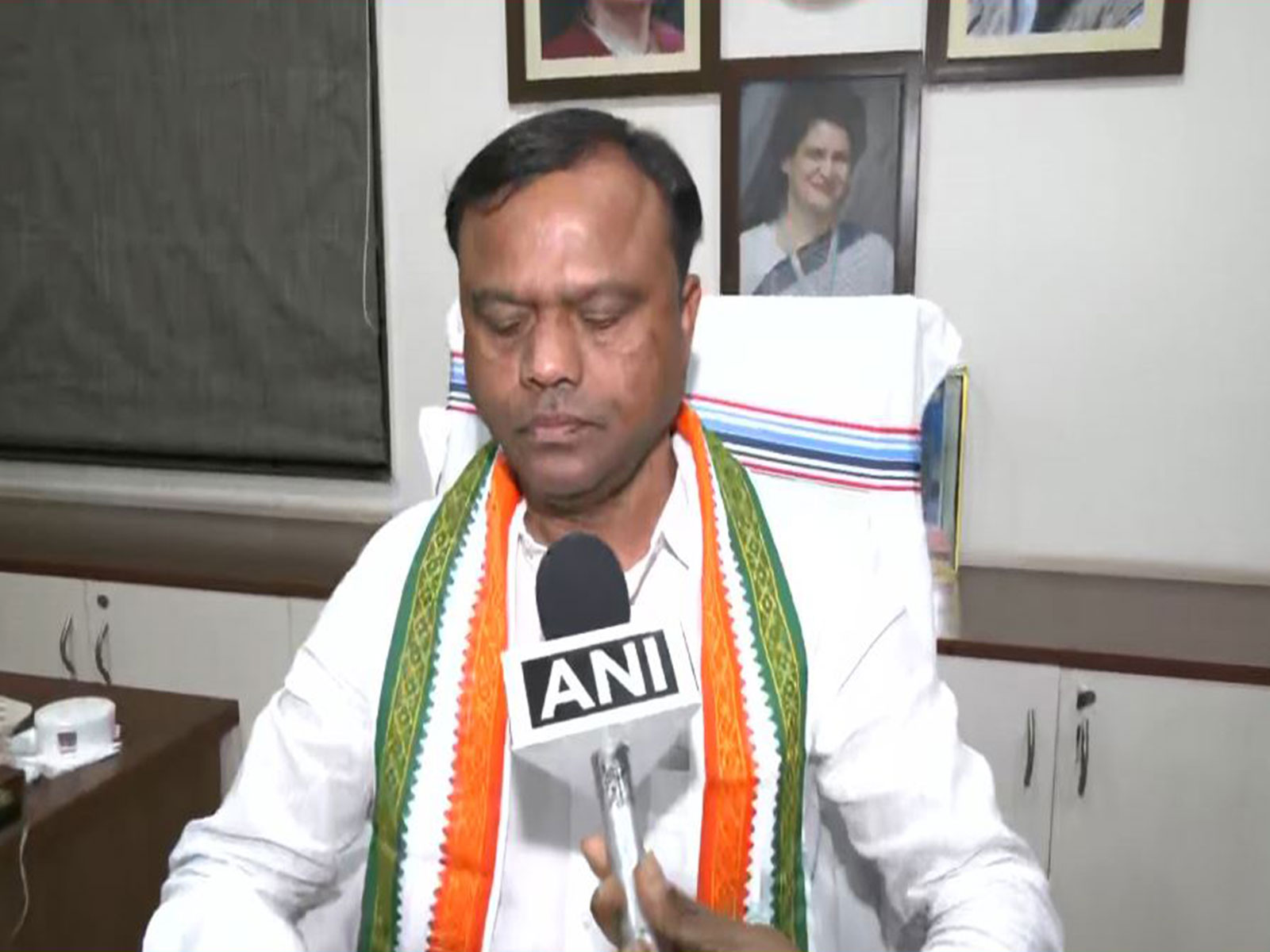
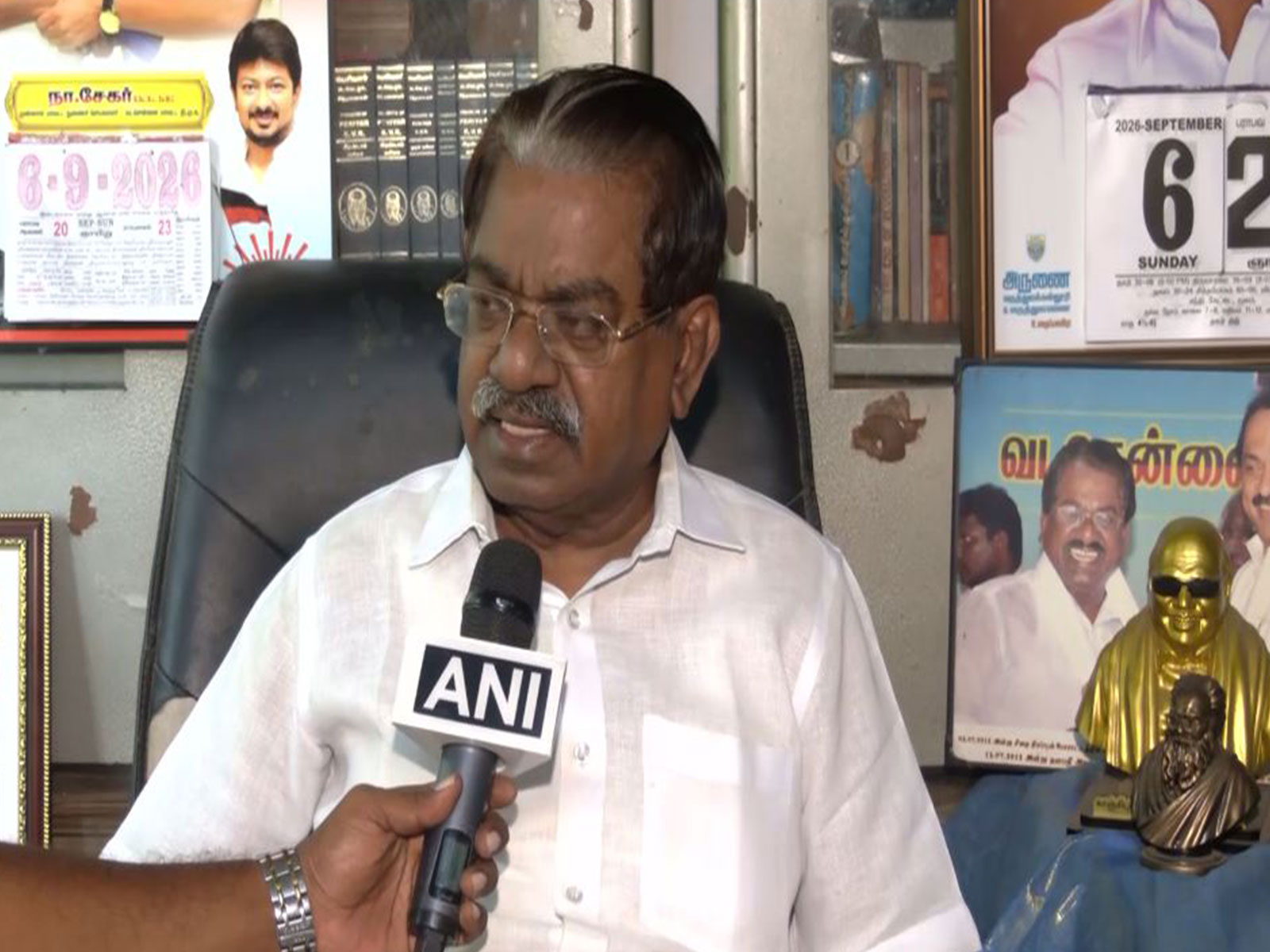
New Delhi [India], September 6 : The Aam Aadmi Party (AAP) on Sunday took a swipe at Prime Minister Narendra Modi over his "Angry Uncles" remark, saying that the Prime Minister wrote the post after "looking at himself in the mirror".
Sharing PM Modi's post on X, AAP wrote, "Modi ji wrote this tweet after looking at himself in the mirror."
https://x.com/aamaadmiparty/status/2096433015056662541
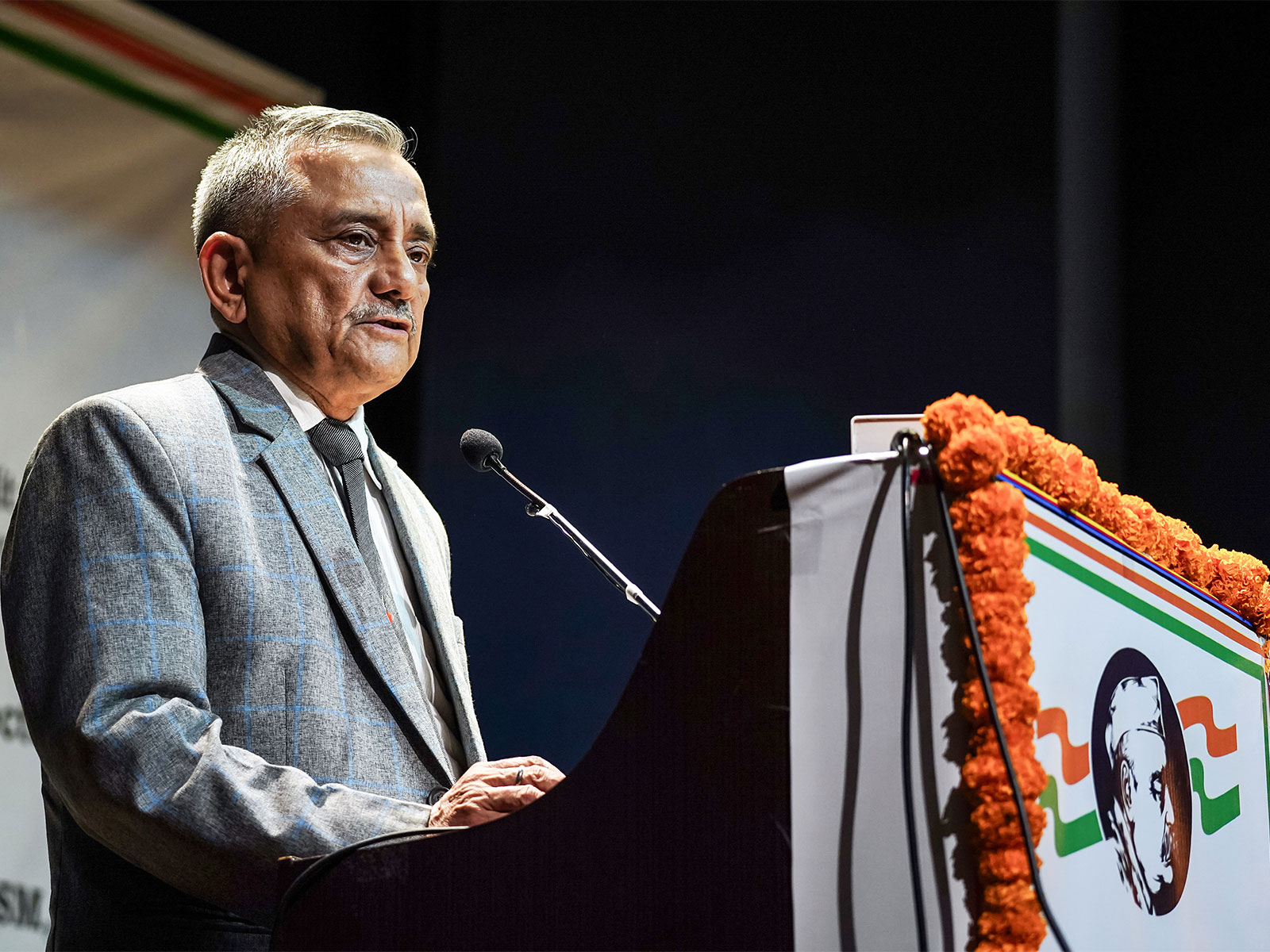
The reaction came after PM Modi, while addressing the centenary celebrations of Shri Ram College of Commerce (SRCC) on Saturday, took a dig at critics of the government's initiatives and described them as "Angry Uncles" who oppose every new project.
Addressing students at SRCC, PM Modi said, "Outside this campus, you will find a new world. You will meet two types of people. One type are those who positively transform the power of society into the power of the nation."
"The second species is of those people who become an 'Angry Uncle' whenever any work starts. Their favourite job is to oppose every work. They have only one dialogue: 'What is the need for this?'" he added.
PM Modi cited examples of projects including the Statue of Unity, high-speed trains, UPI, semiconductor manufacturing and the new Parliament building, saying Opposition questioned the need for each initiative.
"When we were building the world's tallest statue, the 'Phoofas' braced themselves and said, 'What is the need for this?' We started work on high-speed trains, the 'Phoofas' spoke up again: 'What is the need for this?'" he said.
Talking about UPI, PM Modi said, "We brought UPI, and these same 'Phoofas' would say: 'Why UPI? What is the need for UPI?'"
He further said, "But India has replied to all such 'Phoofas'. No one can stop India from doing what is necessary for the country."
The Prime Minister participated in the centenary celebrations of SRCC on Teachers' Day and highlighted India's development journey while targeting Opposition parties over their criticism of government initiatives.