AI-native autonomous networks to transform global connectivity: Vishnu Ram of ITU-T
Dec 10, 2025
New Delhi [India], December 10 : Artificial intelligence is revolutionising global telecommunications, with autonomous networks emerging as a key component of advanced networks.
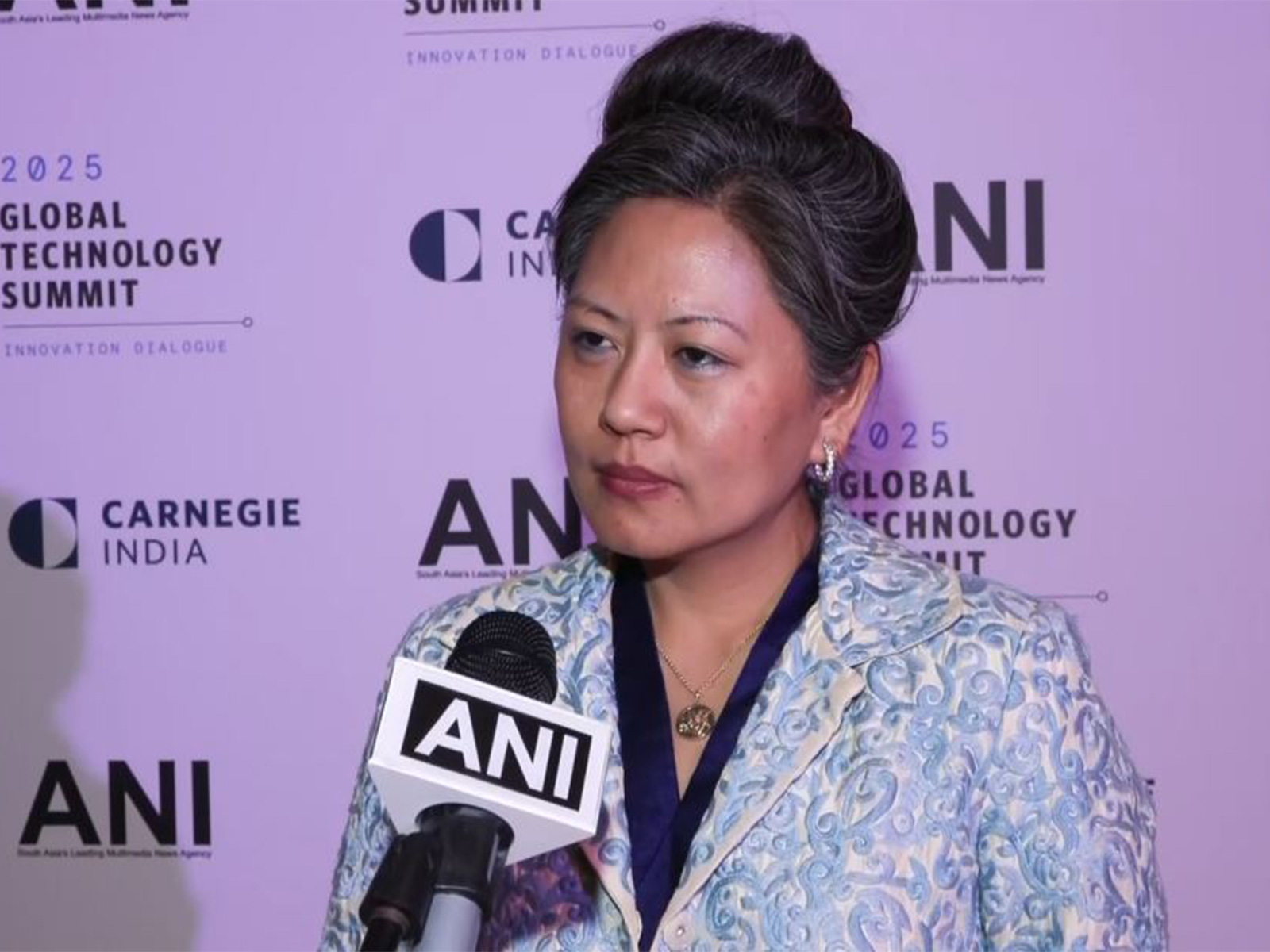
Vishnu Ram, Vice Chair of the ITU-T Focus Group on Autonomous Networks, emphasises the importance of autonomous networks in reducing costs and enhancing telecommunications capabilities.
Speaking with ANI, he highlighted that AI-native networks are essential to meeting the growing, complex demands of future applications such as 5G, the Internet of Things (IoT), and virtual reality, which exceed the limits of manual operation and maintenance.
"Autonomous networks is a very important concept, and is one of the core concepts for advanced telecommunications. We are working to establish autonomous networks to reduce costs and increase telecommunications capabilities. It's important for users to have this capability," Vishnu Ram said.
Autonomous networks, powered by AI, enable self-healing, self-optimisation, and better coverage, allowing network operators to optimise their services. AI introduces real-time decision-making, intelligent device behaviour, and on-the-fly model deployment, transforming how networks are built and managed.
"It naturally enables the networks to heal themselves, self-optimise, provide better coverage, and allows network operators to have better optimisation," said Vishnu Ram.
Discussing how Artificial Intelligence (AI) is changing how networks operate, he said AI brings a host of capabilities to the network. Data extracted from networks is used to train machine-learning models to predict issues, optimise traffic flows, and detect anomalies. This enables operators to diagnose problems faster, improving overall network performance.
"It allows the networks, devices to be intelligent, and develops the ability to introduce models and to make decisions," he said.
Artificial intelligence, Ram noted, is now fundamentally reshaping how networks are built and managed.
"Beyond traditional statistical or numerical methods, AI introduces new capabilities such as real-time decision-making, intelligent device behaviour, and on-the-fly model deployment," he added.
He said the data extracted from the network is increasingly used to train and refine machine-learning models that can predict issues, optimise traffic flows, and detect anomalies. This enables operators to diagnose problems such as call failures and video buffering more quickly.
"The AI capability comes with data from the network, so we extract data from the network, and utilise it, and apply it to enhance the capability of the network to develop and provide new applications," he added.
Carnegie India will host the Global Technology Summit (GTS), an innovation dialogue on December 11 in New Delhi as an official pre-summit event for the upcoming AI Impact Summit 2026, scheduled to be held in New Delhi from February 15-20, 2026.