AIF industry emerged as key driver of private capital formation: Chairman, SEBI
Jan 22, 2026
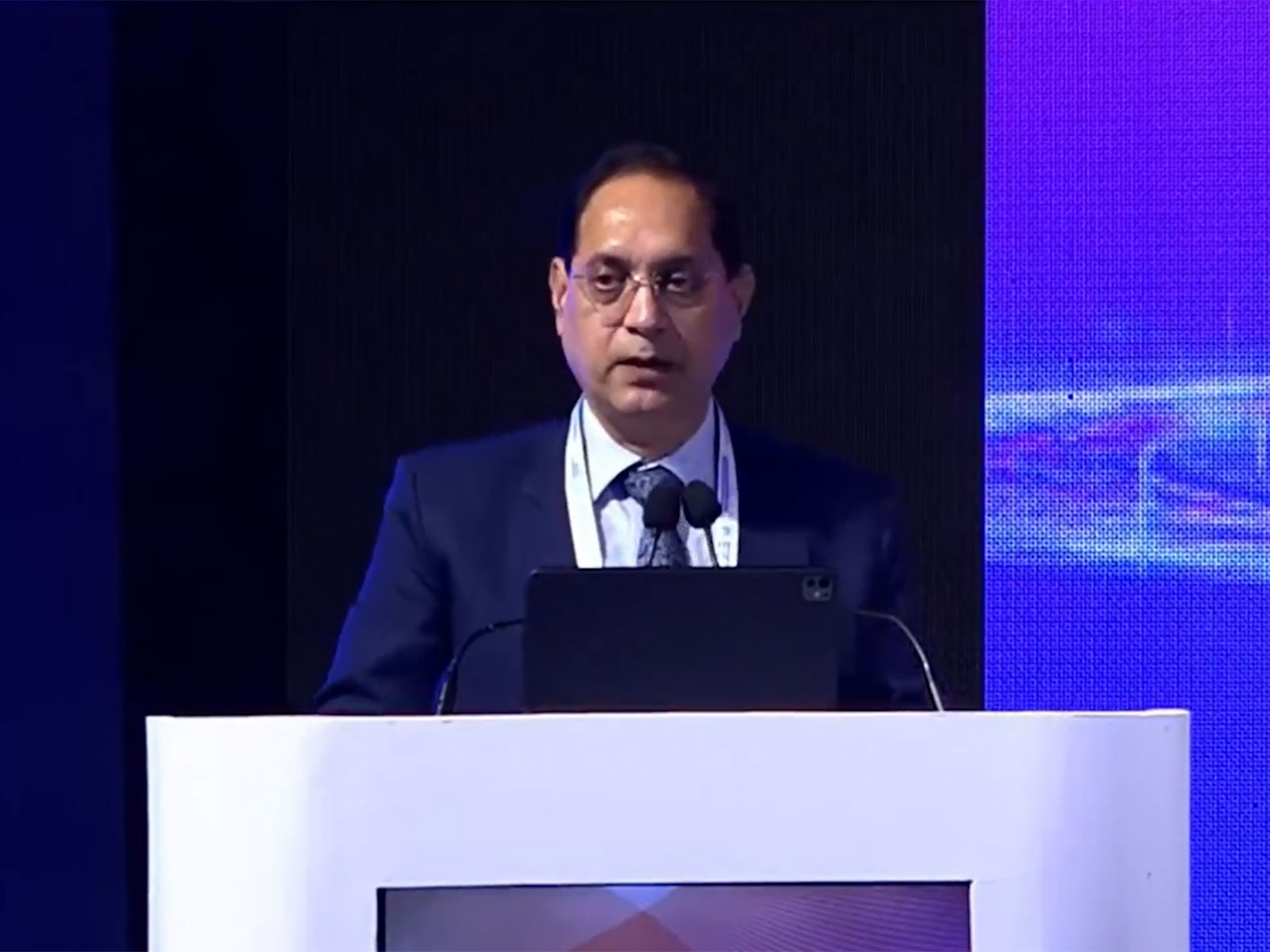
Osaka [Japan], January 22 : Chairman of the Securities and Exchange Board of India (SEBI), Tuhin Kanta Pandey, on Thursday said India's mutual funds have deep penetration with strong monthly equity inflows, while the Alternative Investment Fund (AIF) industry has emerged as a key driver of private capital formation.
Talking about India's capital market during his address to an investors meeting curated by Confederation of Indian Industry (CII) in Osaka, Japan, Pandey described the rise of domestic investors as one of India's most significant developments. "India today ranks as the world's fifth-largest equity market by market capitalisation share, with the United States leading globally at 48.2%, followed by China, Japan, and Hong Kong," he said.
He further mentioned that capital-raising activity remains robust, with India ranking first globally in the number of IPOs and third in terms of capital raised in 2025.
"Debt markets continue to expand, private equity and AIF inflows are rising, and REITs and InvITs are increasingly channelising long-term capital into infrastructure and real estate. The municipal bond market is also gaining momentum," he said.
The SEBI Chairman also stressed that investor education remains central to SEBI's agenda, with intensified efforts to combat digital fraud and promote responsible investing.
"For Foreign Portfolio Investors (FPIs), SEBI has focused on simplifying market access through regulatory reforms, easier registration, and improved settlement mechanisms, alongside continued engagement with global investors," he said.
Pandey highlighted that the Indian economy remains resilient even amid ongoing global volatility in trade and geopolitics.
"Moderate inflation, robust foreign exchange buffers, and stable external accounts place India among the world's strongest economies, with growth continuing to rank among the highest globally," he said.
He further noted that India's digital public infrastructure has set new global standards, while recent reforms in income taxation, labour regulations, and the GST framework are expected to stimulate consumption and reinvigorate the investment cycle.
Speaking on India-Japan relations, Pandey said India and Japan share a long-standing and symbiotic relationship anchored in their Special Strategic and Global Partnership, with bilateral trade exceeding JPY 3,500 billion (USD 25 billion), underscoring the depth of economic cooperation.
Japanese investors have consistently found strong value and returns in India, which has produced a remarkable number of wealth-compounding companies, he said.
Chandru Appar, Consul General of India, Osaka-Kobe, in his address said, "India is currently in a high-growth phase, driven by its demographic dividend, rapid infrastructure development, and expanding consumption base, supported by landmark economic reforms over the past decade."
He further noted that India's capital markets are built on trust, transparency, and robust regulation, with SEBI playing a pivotal role in protecting investors and maintaining market integrity.
Setsuo Iuchi, President of the Osaka Chamber of Commerce and Industry (OCCI), emphasized that India is a key partner for Japanese businesses, especially as companies seek opportunities in the Global South.
The interactive session was organised by CII jointly with the Consulate General of India, Osaka - Kobe and the OCCI.