AIR Commons 2026 Positions Clean Air as a Shared Civic Responsibility, Calls for Ground-Up Action
Mar 31, 2026
PNN
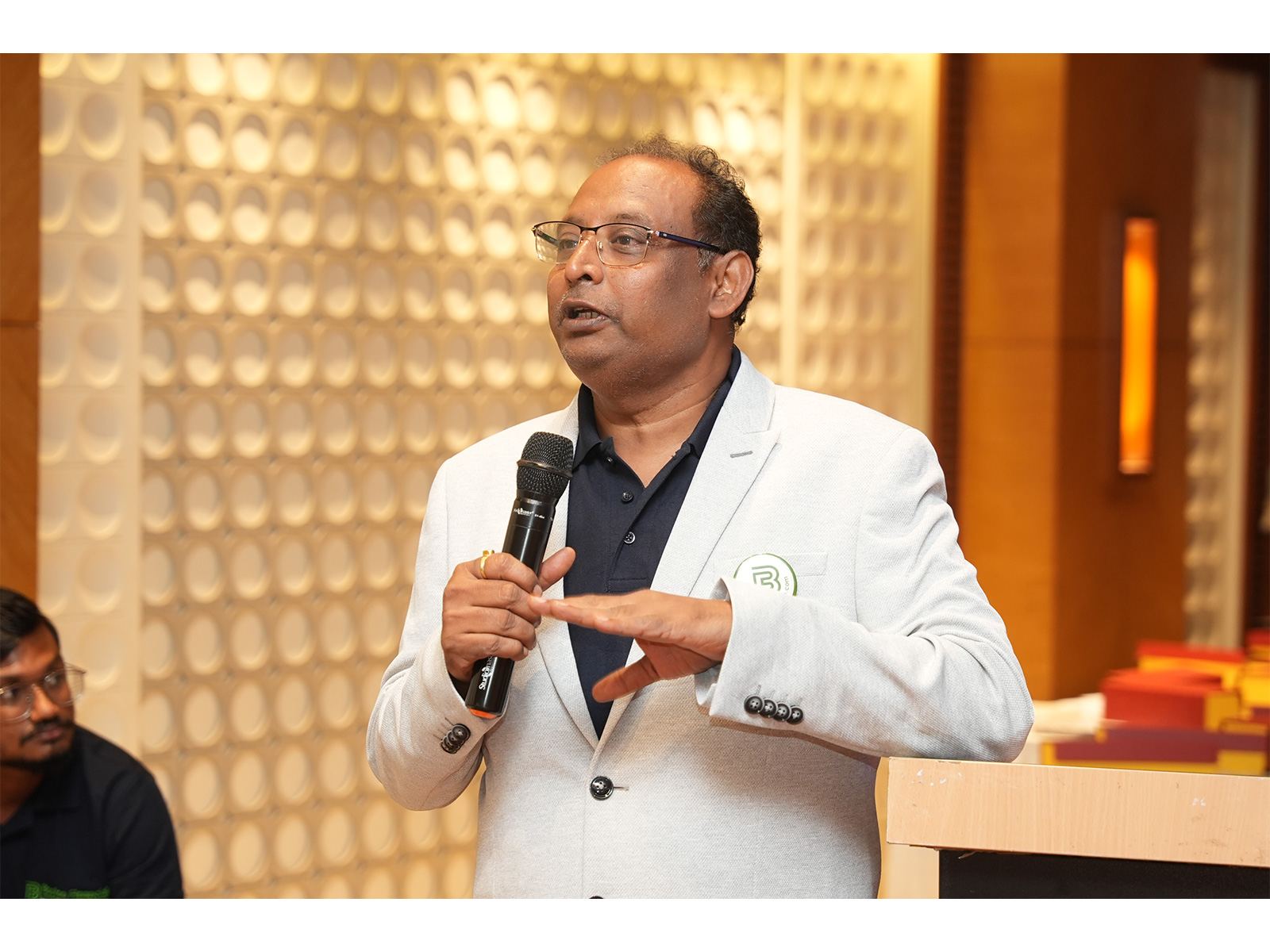
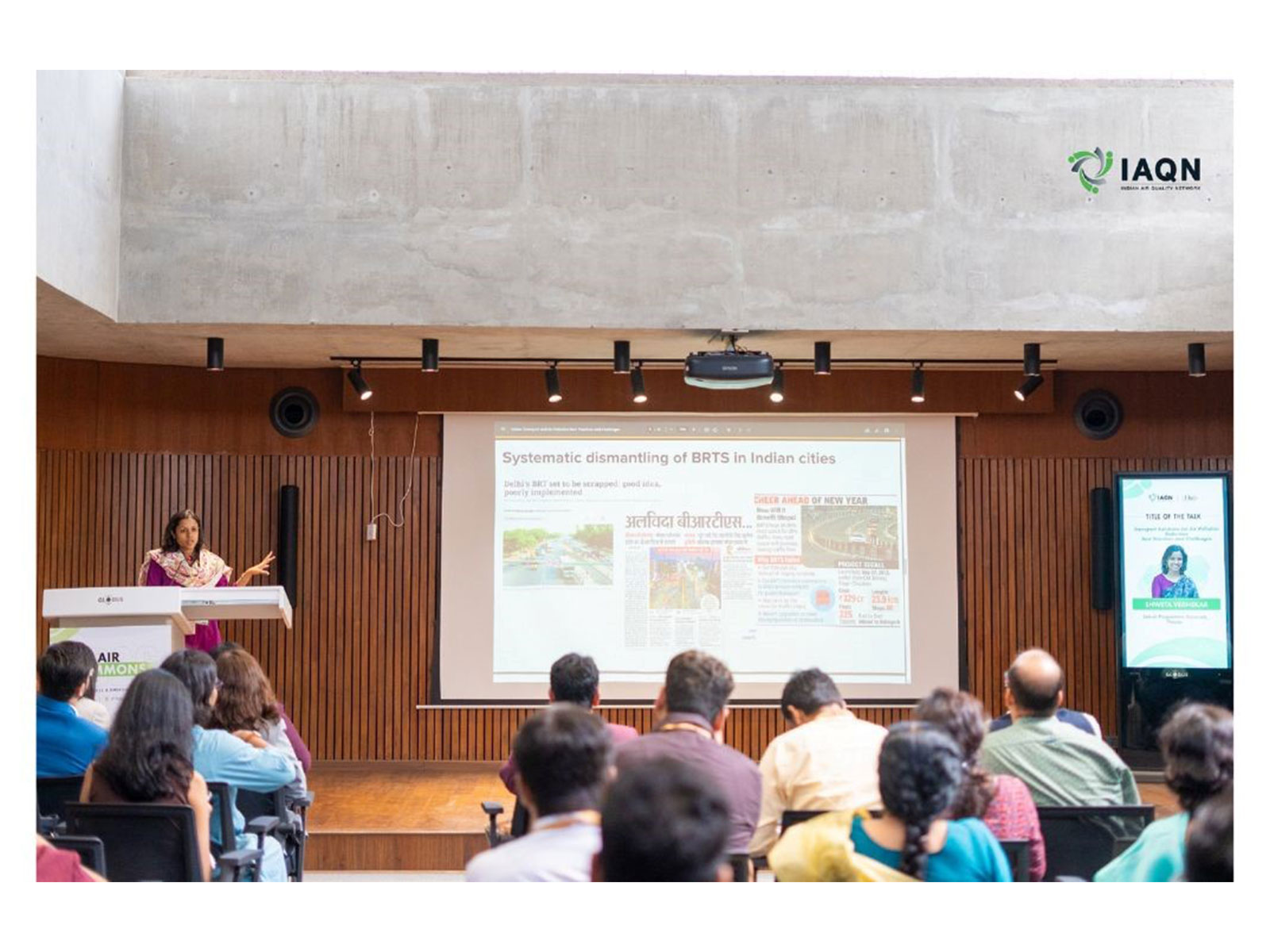
Ahmedabad (Gujarat) [India], March 31: At a time when India continues to grapple with complex air pollution challenges, AIR Commons 2026 brought together voices from science, policy, industry, and civil society to reframe air quality as a shared public good requiring collective, ground-up action.
Organised by the Indian Air Quality Network (IAQN) in collaboration with i-Hub Gujarat, the convening reflects IAQN's growing role as a national platform that bridges academia, policymakers, industry, and communities to enable more integrated, solution-driven approaches to air quality management.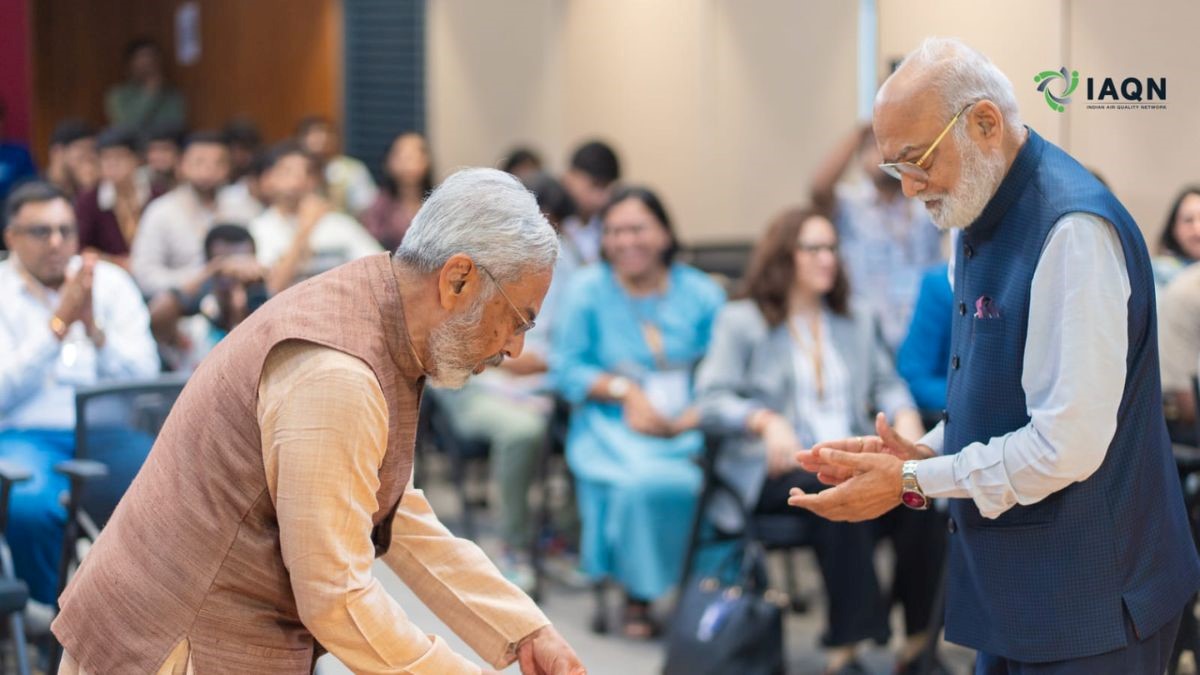
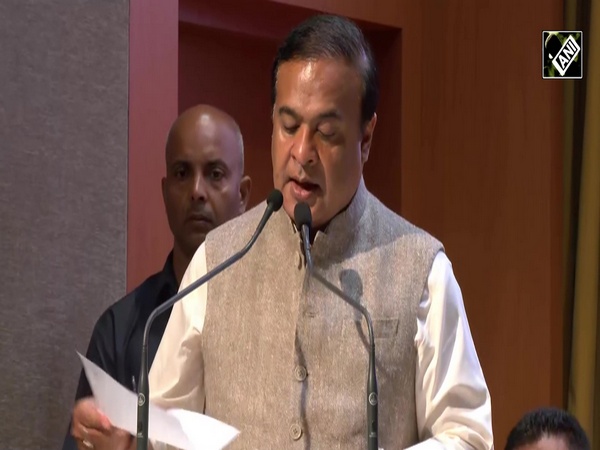
Held on the eve of the anniversary of the Air (Prevention and Control of Pollution) Act, 1981, the event was attended by Chief Guests Shri Kartikeya Sarabhai and Mr. Shailesh Patwari, along with experts and practitioners from across the country.
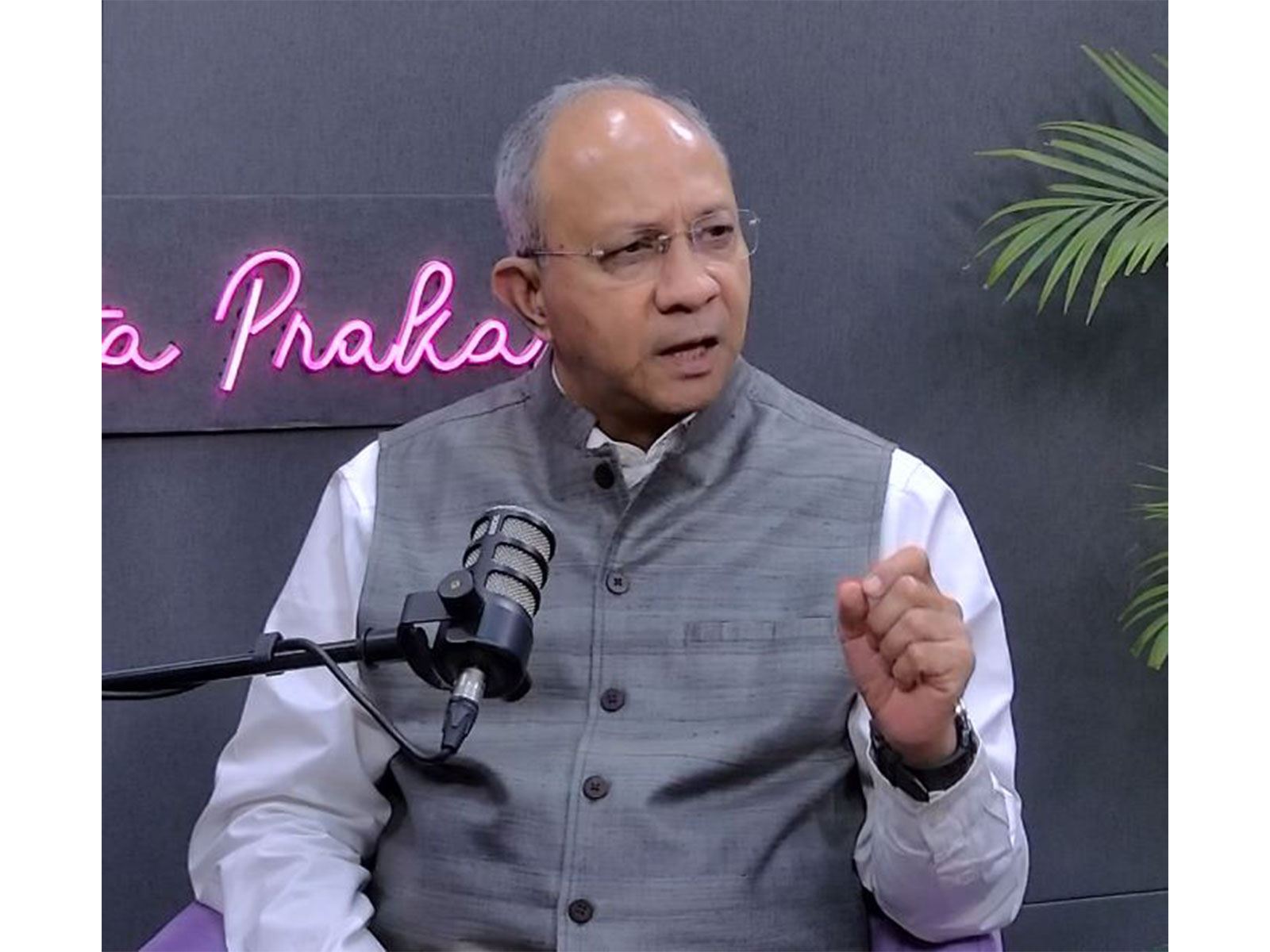
Among the key voices, Dr. Gufran Beig emphasised the importance of airshed-based air quality management supported by real-time monitoring and advanced analytical tools, highlighting the need to move beyond fragmented, city-level responses.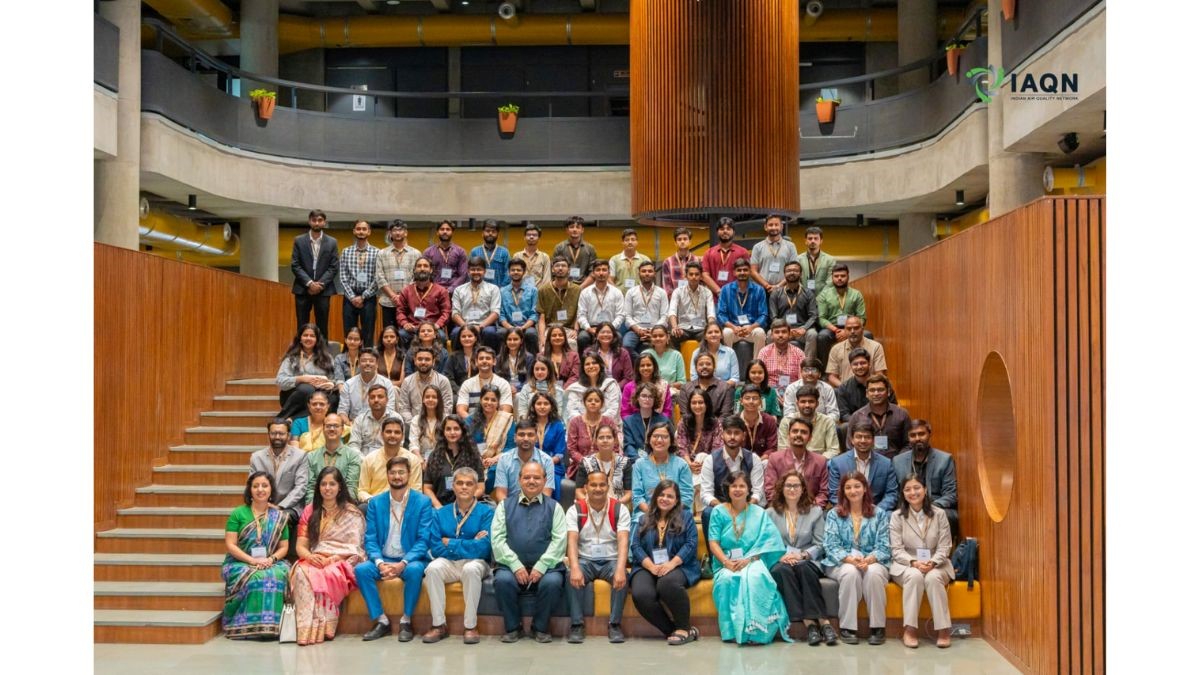
From Awareness to Ownership
Discussions underscored that air pollution is no longer just an environmental or regulatory issue, but a systemic challenge shaped by urbanisation, infrastructure, consumption patterns, and governance gaps.
Shri Sarabhai highlighted the role of behavioural change and environmental education, while Mr. Patwari described air pollution as a "silent killer," calling for stronger accountability and a shift from compliance-driven systems to responsibility-led action.
From Data to Decision
A key takeaway from the convening was the need to move beyond monitoring towards actionable intelligence and implementation.
Experts highlighted the importance of:
- Real-time data systems
- Integrated decision-making frameworks
- Airshed-level planning for long-term impact
Urban systems emerged as critical levers, with discussions focusing on transport, construction, waste, and indoor environments as priority areas for intervention.
Bridging Science, Systems, and Society
The conversations reinforced the need for stronger alignment among science, policy, and public participation to solve air pollution.
Behavioural change, citizen engagement, and robust implementation frameworks were identified as essential to translating knowledge into measurable outcomes.
AIR Commons 2026 featured innovation showcases, startup demonstrations, and emerging research presentations, highlighting a growing ecosystem of solution-driven approaches across monitoring, analytics, and implementation.
The Road Ahead
As India progresses toward its vision of Viksit Bharat 2047, AIR Commons 2026 reinforced a clear shift:
The challenge is no longer about lack of knowledge or technology, but about collaboration, execution, and scaling solutions. By positioning air as a commons, IAQN aims to catalyse a more inclusive and action-oriented clean air movement, bringing stakeholders together to move from intent to impact.
(ADVERTORIAL DISCLAIMER: The above press release has been provided by PNN. ANI will not be responsible in any way for the content of the same.)