Air Pollution: SC allows ban of 10-year-old diesel, 15-year-old petrol vehicles below BS-IV in Delhi-NCR
Dec 17, 2025
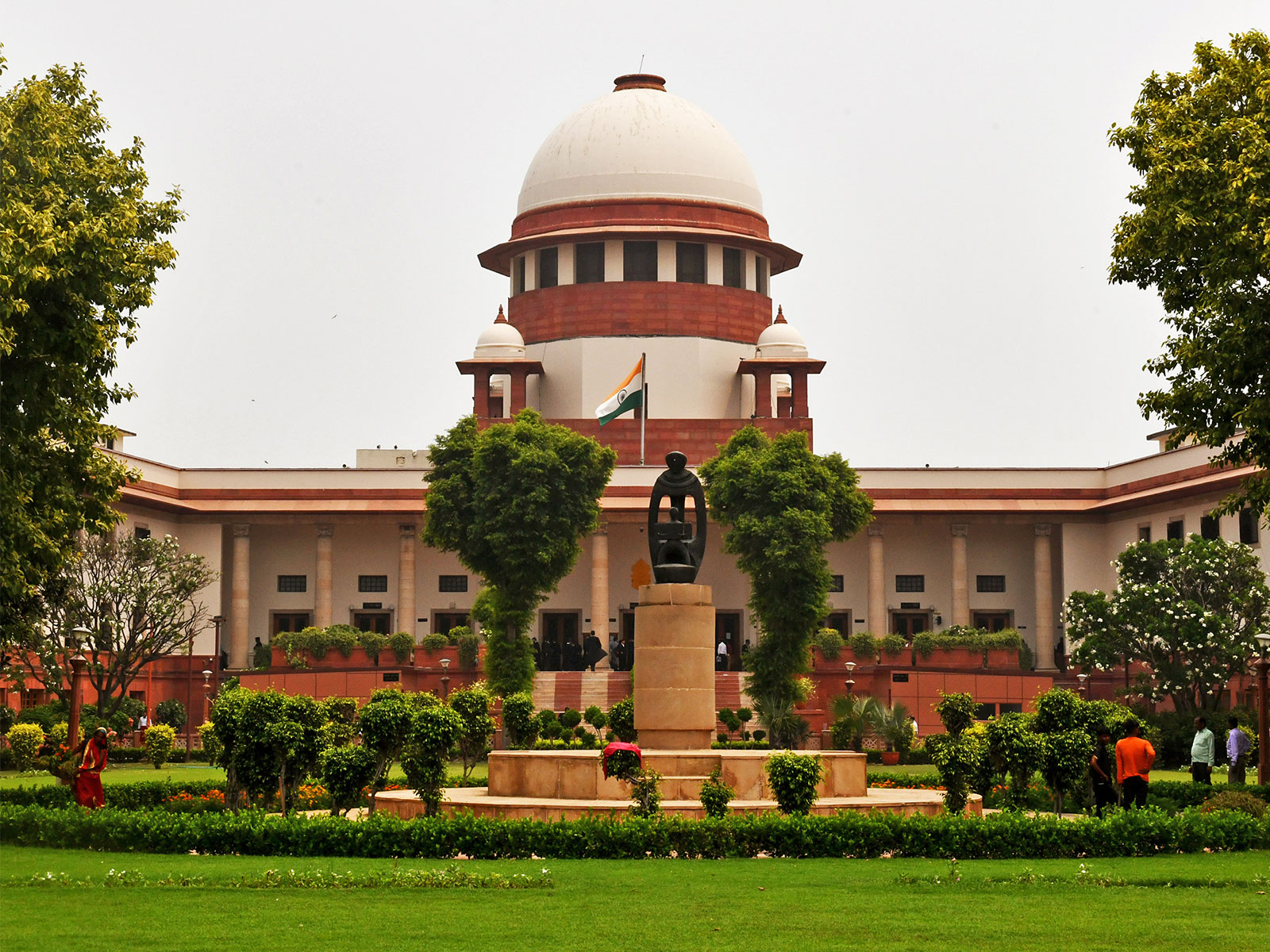
New Delhi [India], December 17 : The Supreme Court on Wednesday modified its August 12 order, which barred coercive action against diesel vehicles older than 10 years and petrol vehicles older than 15 years in the Delhi-NCR, and said that action can be taken against such vehicle owners who meet emission standards below BS-IV.
A bench of Chief Justice of India Surya Kant, Justices Joymalya Bagchi and Vipul Pancholi passed the order at the request of the Delhi government.
Additional Solicitor General Aishwarya Bhati, appearing for the Delhi government, sought action against older cars in view of the air quality crisis in the national capital.
The government sought a modification of the order passed on August 12, 2025, to permit action against vehicles up to BS-III. Bhati said, "Older vehicles, their emission standards are very poor, and they are adding to the pollution."
Senior advocate Aparajita Singh, the amicus curiae in the air pollution matter, also said, "BS-IV came in 2010, and BS-III models are before that."
It also directed the Municipal Corporation of Delhi (MCD) to consider the temporary suspension of toll collection at nine toll plazas at Delhi's entry points, after it was informed that vehicles were being stuck for hours at the borders, which was contributing to air pollution.
"MCD is directed to cooperate on the issue and to consider suspending operations at these nine toll plazas for a temporary period. A decision in this regard shall be taken within one week and placed on record," ordered the bench.
The apex court also asked the National Highways Authority of India (NHAI) to examine the possibility of shifting the nine toll collection booths operated by the MCD in Delhi to locations that can be manned by the NHAI.
The order came on an application filed by the NHAI alleging congestion at the borders due to MCD's toll collection, and that such traffic jams were adding to air pollution in Delhi.
The top court also said that the air pollution crisis has become an annual feature, and a long-term plan needs to be evolved by the Commission for Air Quality Management (CAQM) and given effect in a phased manner.
It asked the CAQM to revisit its long-term measures to deal with the air pollution issue.
The bench asked the CAQM and the NCR governments to consider issues such as urban mobility, incentivising farmers to stop stubble burning, increasing green cover in Delhi, regulating construction activities, and provision of alternative employment when construction work is halted.
While hearing an application challenging the notification to physically close down primary schools, the bench declined to intervene, considering that the winter break starts next week.
Another advocate raised the issue of providing compensation to the construction workers affected by the GRAP measures currently in place to improve air quality.
The bench said that it should be ensured that the payment is actually received by the beneficiary worker, and also asked for a plan to provide them with alternative work.
It called for a report on payment of compensation to the workers and posted the matter for further hearing on January 6.