ALPA India to brief Parliamentary Standing Committee on FDTL gaps, pilot fatigue and GPS spoofing risks
Dec 09, 2025
New Delhi [India], December 10 : The Airline Pilots' Association of India (ALPA India) has been invited to Parliament by the Parliamentary Standing Committee to present its concerns on Flight Duty Time Limitations (FDTL), pilot fatigue and growing safety risks in the aviation sector.
According to the association, the discussion will focus on gaps in the implementation of revised FDTL norms and continuing concerns over duty-time compliance across airlines. ALPA India has repeatedly warned that poor fatigue management can affect flight safety.
ALPA India will also brief members of Parliament on the rise in GPS spoofing incidents reported at major airports in recent months.
In an official statement, the organisation said, "ALPA India has been officially invited by the Parliamentary Standing Committee on Transport, Tourism and Culture to present pilots' concerns on FDTL non-compliance, duty-time violations, and operational stress."
"For the first time, pilot fatigue, FDTL violations, and safety-critical operational realities will be heard at the highest legislative forum," the statement added.
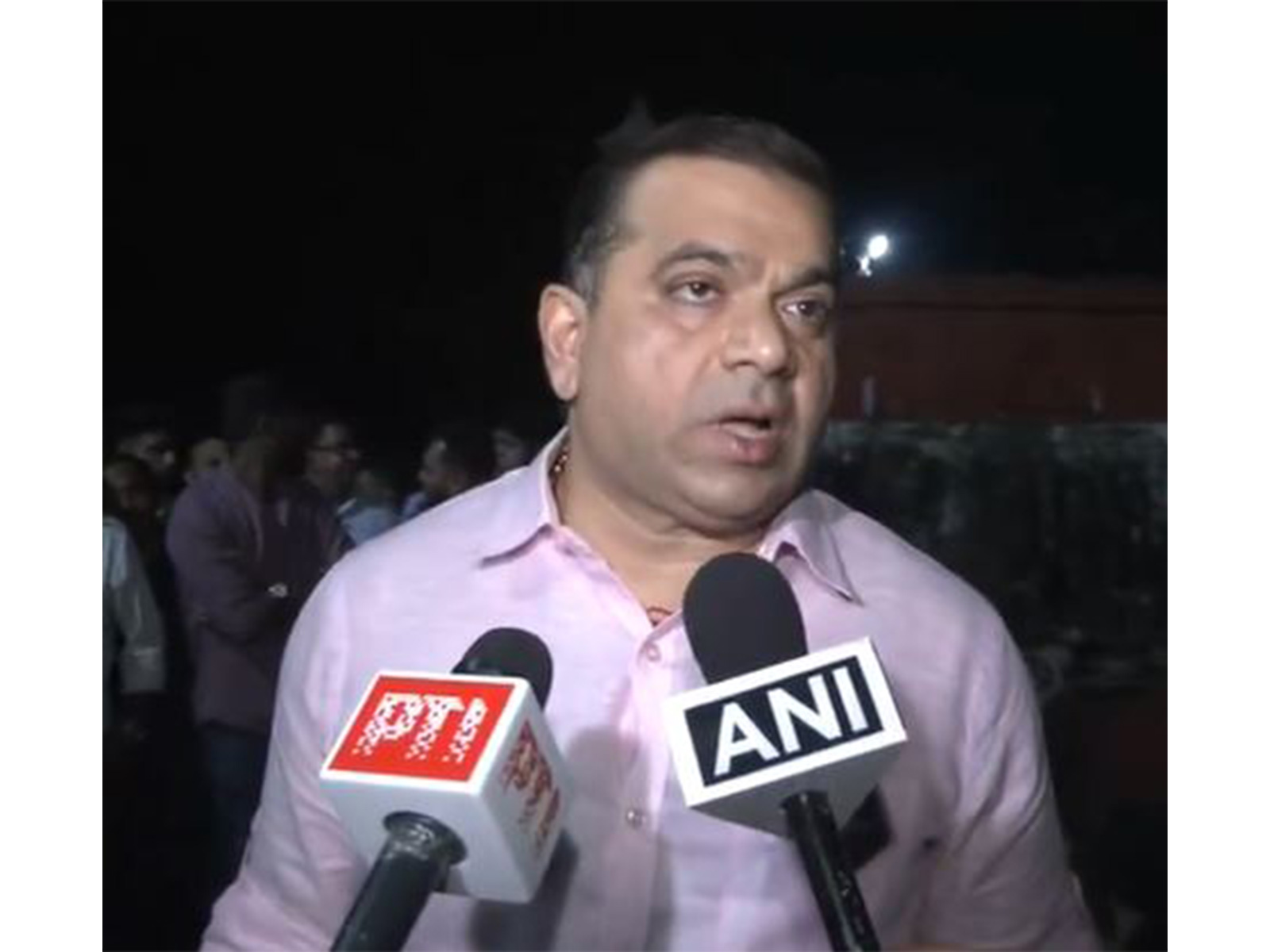
Earlier, Captain Anil Rao, General Secretary of ALPA India, raised concerns over the "temporary exemption" granted to IndiGo from certain FDTL rules by the Directorate General of Civil Aviation (DGCA). Speaking to ANI, Rao said the exemption created a safety risk.
"The root cause should be explained to the people. The issue is the chances of it happening again. Our concern is that DGCA allowing a temporary exemption from some FDTL rules compromises the safety. Today, we have one law for IndiGo and another for other operators. To fulfil the demands of the flights, we are compromising on safety, and that will not go very well with the flying public," he said.
He added that the airline had not clearly explained the reasons behind the disruption. "This was totally unwarranted and unexpected because passengers were not expecting it. The company is saying it is a miscalculation. We don't know what the miscalculation is because it hasn't been clearly stated where the miscalculation occurred or where the error happened. DGCA has formed a panel of its own officials who will look into this matter and provide a review," he said.
Meanwhile, Union Civil Aviation Minister Kinjarapu Rammohan Naidu on Monday confirmed that several flights approaching Delhi's Indira Gandhi International Airport recently experienced GPS spoofing while using GPS-based landing procedures on Runway 10.
He made the remarks in response to a starred question raised in the Rajya Sabha.
The Minister said affected aircraft switched to contingency procedures after receiving spoofed navigation signals, while operations on other runways were not impacted due to the use of ground-based navigational aids.
Naidu added that the DGCA had issued an Advisory Circular addressing GNSS interference and introduced a new Standard Operating Procedure on November 10, for real-time reporting of GPS spoofing events.
The Airports Authority of India (AAI) has also sought help from the Wireless Monitoring Organisation (WMO) to trace the source of the interference.
"After being mandated by DGCA to report instances of GPS Jamming/Spoofing since November 2023, regular reports are being received from other major airports in the country," Naidu said.
"Kolkata, Amritsar, Mumbai, Hyderabad, Bengaluru, and Chennai airports have all recorded GNSS interference incidents," he added.
The Minister said India continues to maintain a Minimum Operating Network of conventional navigational infrastructure to ensure integrity during such incidents and is actively participating in global forums to upgrade technology.
He also noted that the aviation sector faces heightened cybersecurity threats, including ransomware and malware attacks, and said AAI is deploying advanced systems in line with guidelines from NCIIPC and CERT-In.
Naidu stressed that cybersecurity measures must be continuously upgraded as threats evolve.