Amit Shah to release BJP's West Bengal manifesto in Kolkata today
Apr 10, 2026
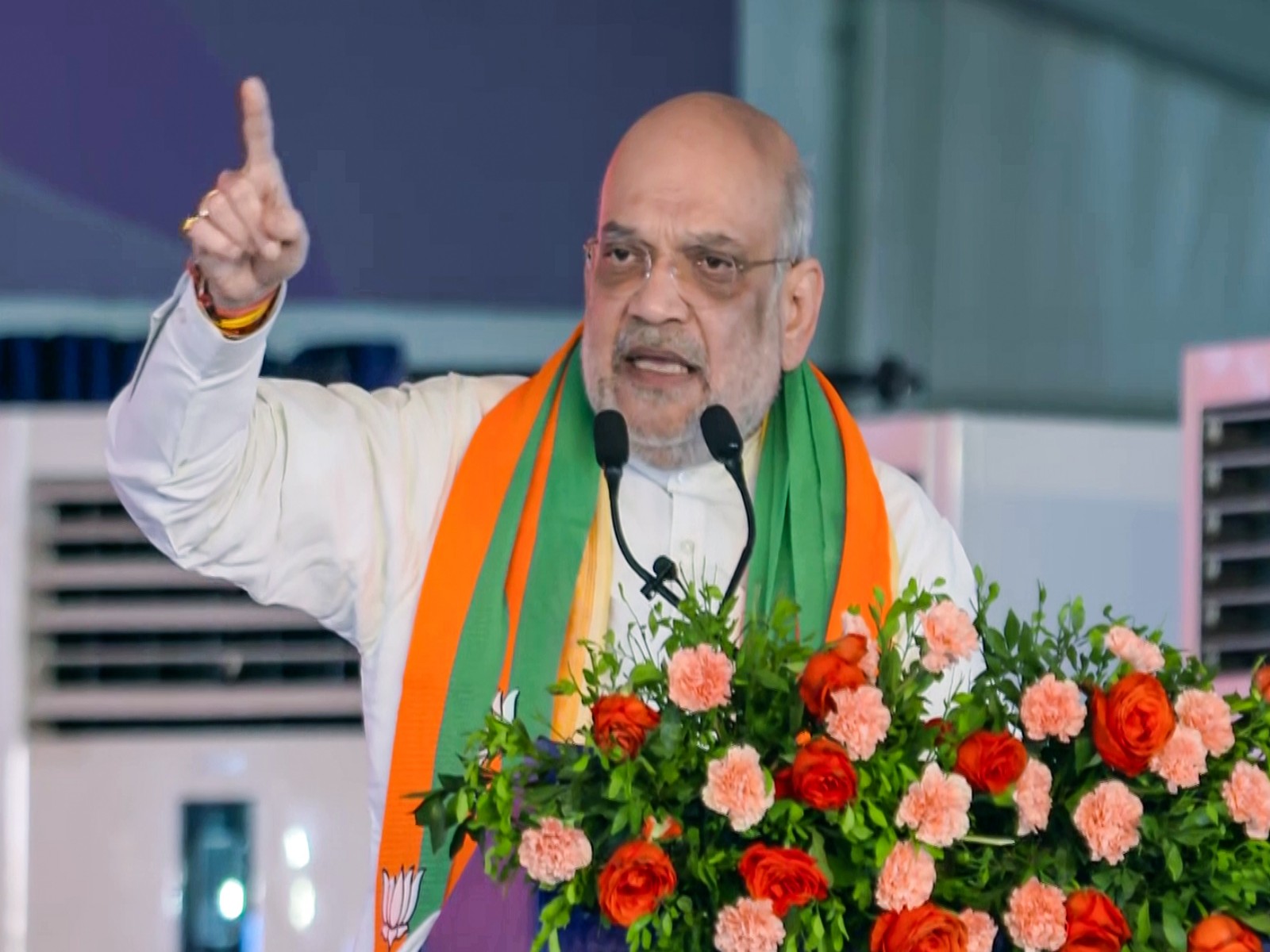
Kolkata (West Bengal) [India], April 10 : Union Home Minister Amit Shah on Friday is set to release the Bharatiya Janata Party's West Bengal manifesto, 'Sankalp Patra', in Kolkata, as the party steps up its campaign against the ruling Trinamool Congress ahead of the state assembly elections.
Shah asserted that West Bengal seeks change from the Trinamool Congress, while also announcing public outreach programmes in Debra and a roadshow in Kharagpur.
In a post on X, Shah wrote, "Bengal, weary of TMC, now seeks change. Today in Kolkata, I will release the BJP's 'Sankalp Patra' on the basis of freeing Bengal from TMC's 'reign of terror'."
https://x.com/AmitShah/status/2042437640570748945?s=20
"Thereafter, I am eager to connect with the brothers and sisters of the state through a public meeting in Debra, West Medinipur, and a roadshow in Kharagpur," the post read.
Polling for the 294-member Assembly in West Bengal will take place in two phases on April 23 and April 29. Votes will be counted on May 4.
As per the party sources, some of the key highlights include: A monthly benefit of Rs 3000 for women beneficiaries, a special package for healthcare and education, initiatives to boost industrial growth and setup industrial zones and plans to establish more colleges with a focus on women's education, a special package for fisheries and agriculture processing units established more hospitals, jobs opportunities for youth are major highlights.
The party aims to address the needs of diverse groups, promising a comprehensive approach to development.
Party sources indicate that the manifesto aims to blend a sharp critique of the TMC with promises of welfare measures and development-oriented pledges, as the BJP prepares for the critical electoral showdown in the state.
BJP has done ground-level preparations for the West Bengal polls. The key manifesto work, which began in the first week of February, wrapped up at the end of the month.
BJP prepared its manifesto with organised way. On 7 February, the manifesto outreach campaign was launched, the statewide "Bikosito Paschim Banga Sankalp Patra - Paramarsha Sangraha Abhiyan."
The campaign aimed to capture citizens' hopes and shape the 2026 Assembly election manifesto. Party workers visited every booth and household to hear grievances and expectations, treating the BJP as a family that listens to all.
Objectives of the campaign were from a farmer's plough to a youth's startup, every dream will feed the future blueprint. According to the party's objective, it's a social contract, not just a political promise.
Citizens can share suggestions by calling 9727 294 294, emailing, scanning a QR code, or using designated hashtags- "Akanksha Sangraha Baksho" (aspiration boxes) were placed in each district for written proposals.
The campaign seeks to end 15 years of exploitative governance, unemployment and corruption, replacing them with a transparent, employment-focused West Bengal. Bringing migrant workers home and creating local jobs for talented youth are core goals. BJP believes "Your thought, our resolve; your aspiration, our path; your dream, our commitment." It invites all residents, regardless of religion or caste, to help build a new, beautiful, developed state.
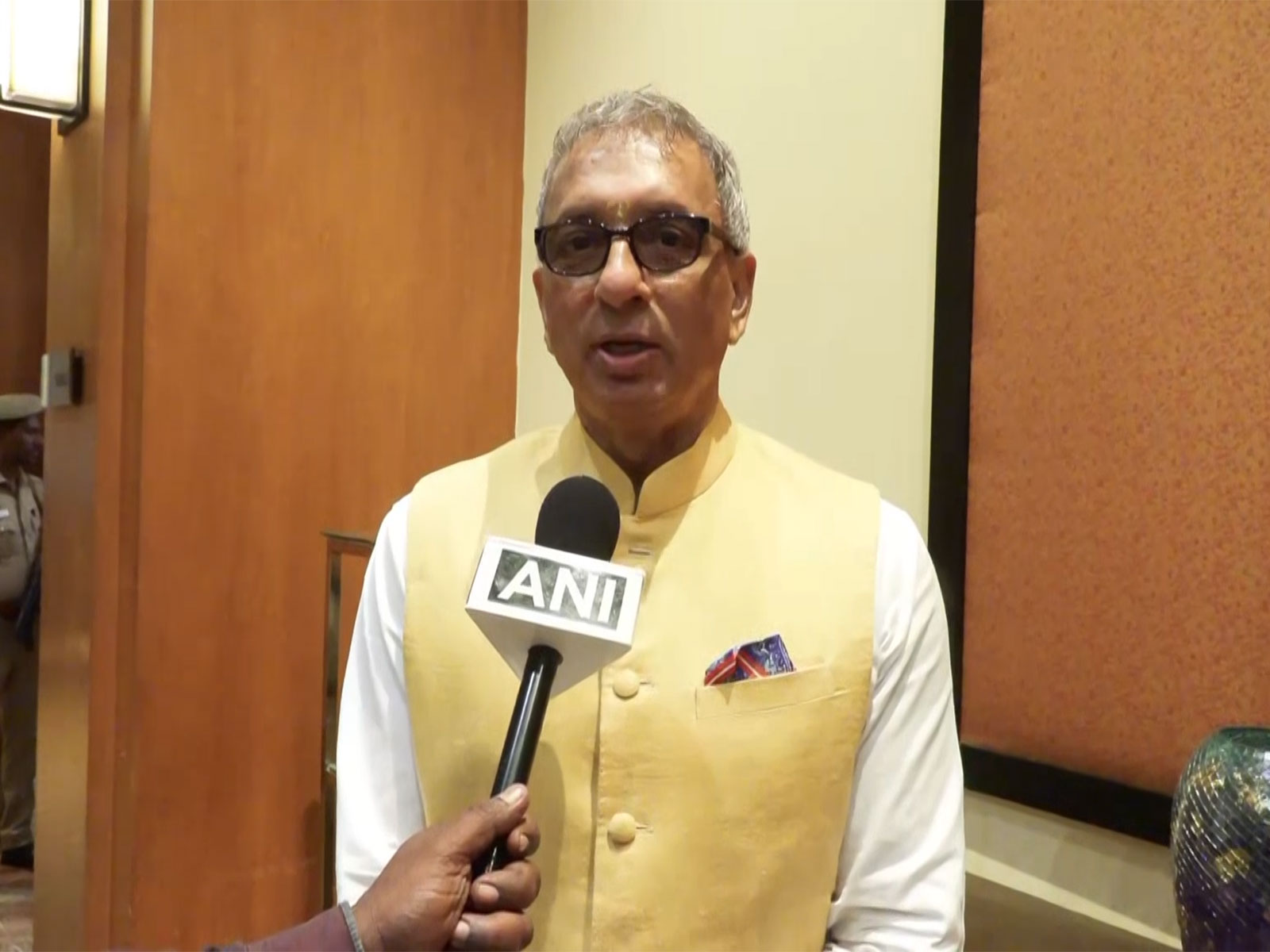
"Over 8 lakh suggestions have been received with strong positive feedback. The outreach also included online consultations with the Bengali diaspora--scientists, scholars and others--and town-hall meetings and public consultations in Kolkata and meetings with farmers, fishermen," said BJP leader Anirban Ganguly to ANI.
BJP West Bengal state president Samik Bhattacharya has earlier wrote the West Bengal citizens, stressing that "Your voice matters. Your suggestions matter. Because the future of West Bengal matters."
Bhattacharya explained that the manifesto should be more than a political document; it must mirror the hopes, challenges and expectations of everyday West Bengalis.
He invites "considered suggestions" on education, employment, healthcare, women's empowerment, youth development, agriculture, industry, MSMEs, infrastructure, culture, sports, environment, law and order, and good governance. Emphasising inclusivity, he says the exercise is open to all, regardless of political ideology, because state development is a shared responsibility.