Anti Leprosy Day: Gujarat brings Leprosy prevalence below 1 per 10,000 in 25 districts, 11,640+ lives transformed in 3 Years
Jan 29, 2026
Gandhinagar (Gujarat) [India], January 29 : Prime Minister Narendra Modi has repeatedly emphasised that the biggest battle against any disease is not merely medical, but against the fear, stigma and social discrimination associated with it. Inspired by this humane and inclusive vision, the Government of Gujarat is set to intensify public awareness efforts towards leprosy elimination on the occasion of Anti-Leprosy Day, observed on January 30.
In line with the Government of India's theme "Ending Discrimination, Ensuring Dignity," Gujarat will organise the "Sparsh Leprosy Awareness Campaign- Fortnight" from January 30 to February 13, 2026. The campaign aims to dispel long-standing myths surrounding leprosy and reinforce the message that the disease neither spreads through touch nor social contact, and that timely treatment can lead to a complete cure.
Leprosy Prevalence Below 1 per 10,000 Population in 25 Districts; 11,640+ Patients Linked to Timely Treatment
As of December 2025, Gujarat has made impressive progress toward leprosy elimination, bringing the disease prevalence below 1 per 10,000 population in 25 districts. Under the leadership of Chief Minister Bhupendra Patel, sustained efforts by the Health Department have led to the identification of over 11,640 new leprosy patients between 2023 and December 2025 through routine health services and special detection drives, all of whom were linked to free multi-drug therapy (MDT).
A year-wise analysis further underscores this progress. In 2023-24, a total of 4,323 patients were identified, including 238 children. This was followed by 4,033 new cases in 2024-25, of which 171 were children. In 2025-26, up to December 2025, the number declined further to 3,288 cases, including 126 children.
In parallel, to ensure timely diagnosis and effective disease control, the Health Department implemented the Leprosy Case Detection Campaign (LCDC) in a mission-mode approach. Between 2023-24 to December 2025, these focused campaigns helped identify more than 3,900 hidden cases, enabling early treatment and significantly reducing the risk of deformities and disability.
The Government of Gujarat has expanded its leprosy eradication efforts beyond medical treatment by adopting a comprehensive and humane model centred on dignity and rehabilitation. As part of this approach to restore self-reliance and a dignified quality of life for persons affected by leprosy, a total of 81 reconstructive surgeries were provided: 25 in 2023-24, 30 in 2024-25, and 26 up to December 2025-26.
In addition, to ensure safety, mobility, and independence for patients suffering from loss of sensation in the feet, over 26,120 micro-cellular rubber shoes have been distributed free of cost. To support timely wound care and prevent infections, more than 8,300 ulcer care kits have also been provided to those in need.
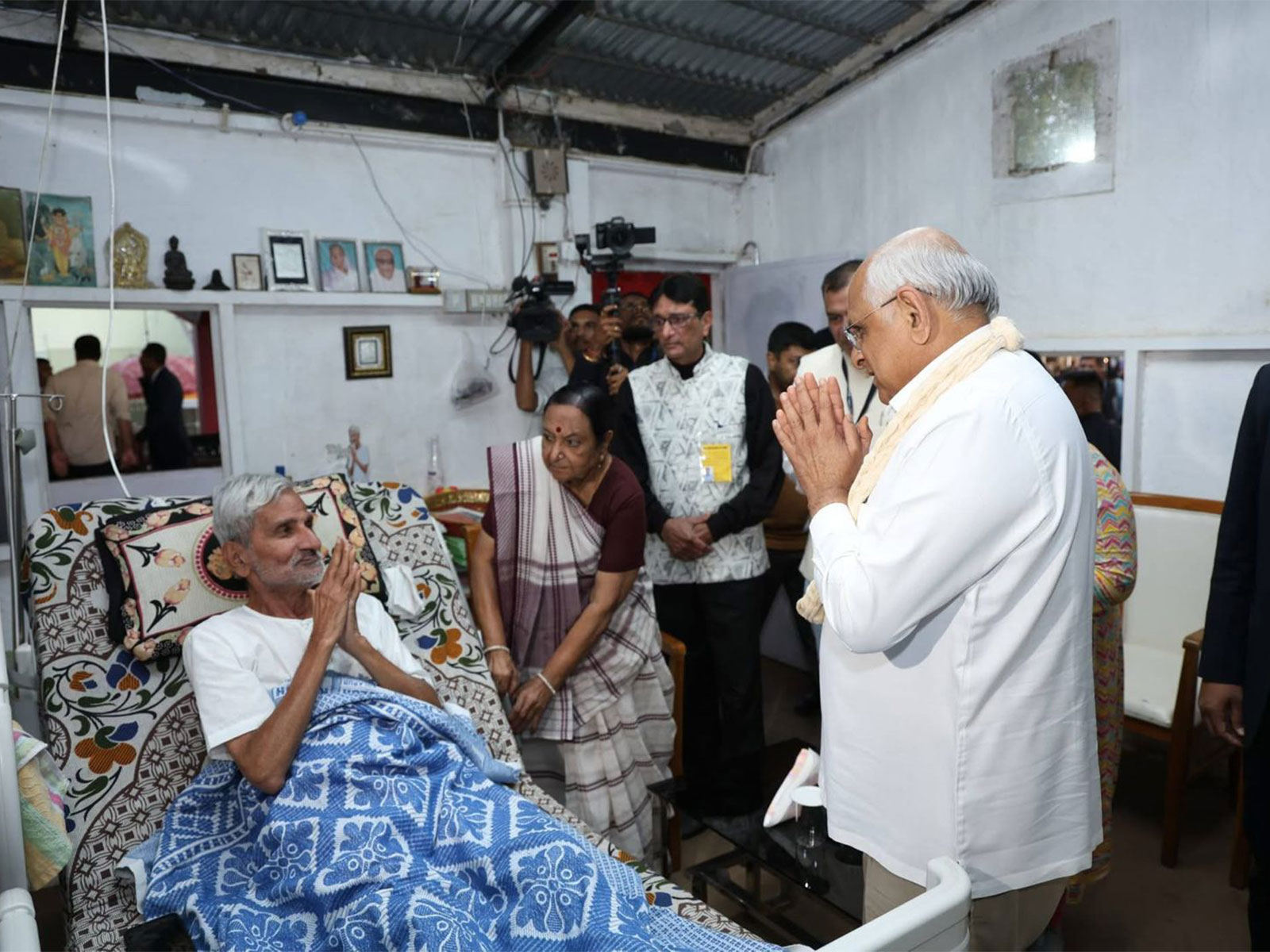
Further strengthening this compassionate and people-centric model, the Chief Minister, Bhupendra Patel, visited the Sahyog Kushthyagya Trust, run by Padma Awardee Sureshbhai Soni, earlier this month. During the visit, the Chief Minister interacted with persons affected by leprosy and reviewed their health status and rehabilitation progress.
These integrated efforts under the Chief Minister's leadership underscore Gujarat's commitment to advancing leprosy eradication not only as a public health initiative but as a broader, humane mission rooted in dignity, social inclusion, and the right to live with respect.
Leprosy is a contagious yet completely curable disease, caused by the bacterium Mycobacterium leprae, primarily affecting the skin and peripheral nerves. It can affect individuals of any age or gender. Early diagnosis and regular multi-drug therapy (MDT) not only prevent disease transmission but also avert deformities and permanent disability.
Common symptoms include light-coloured or reddish patches on the skin, reduced or absent sensation, thickened nerves, and a lack of pain on touch. The Government provides free MDT treatment at all government health facilities, ensuring that patients can access timely care without any financial burden and return to a healthy, dignified life.