"Any further support is always welcome": UAE Ambassador to UK calls for British aid amid "unjustified" attacks
Mar 07, 2026
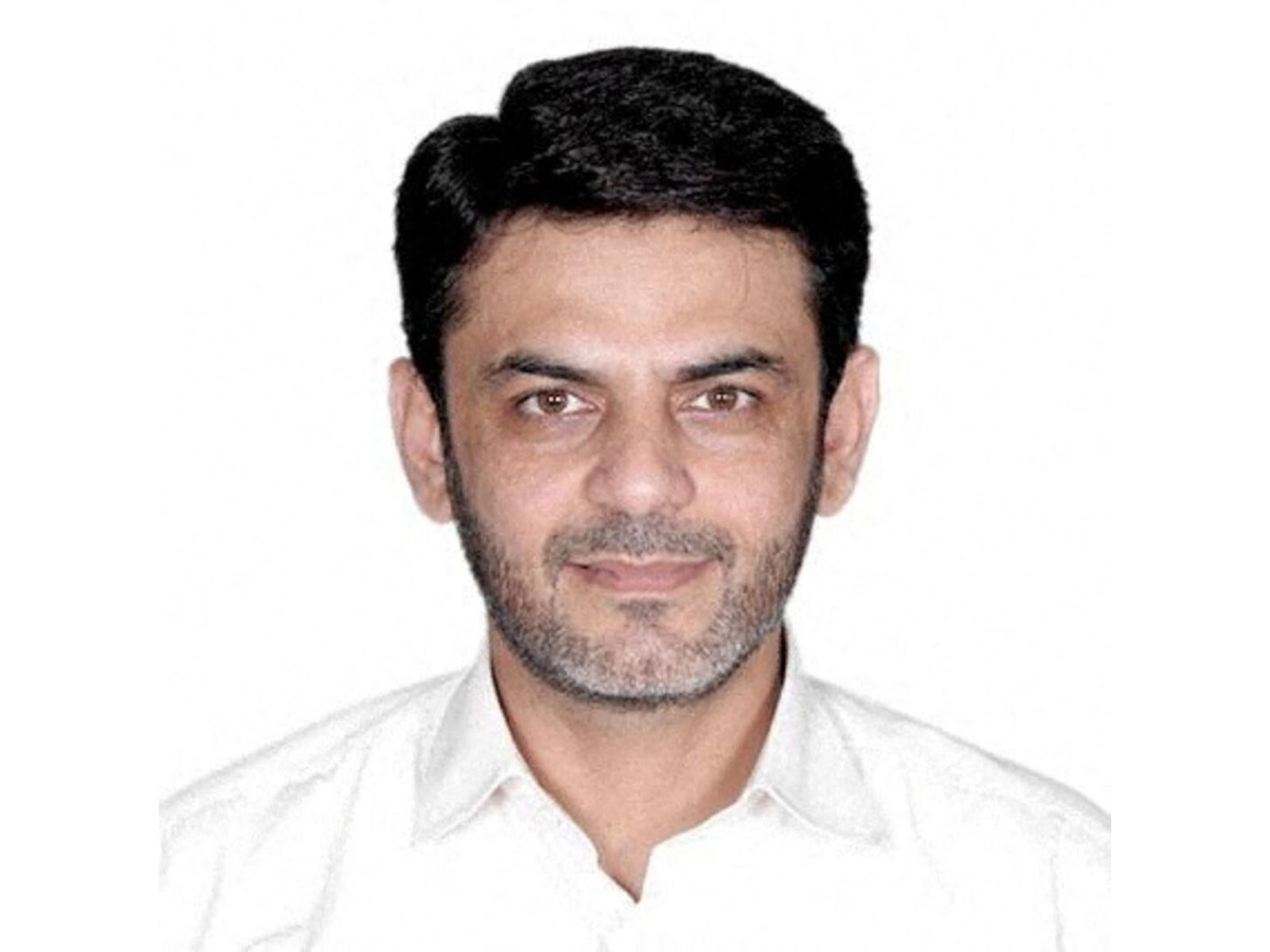
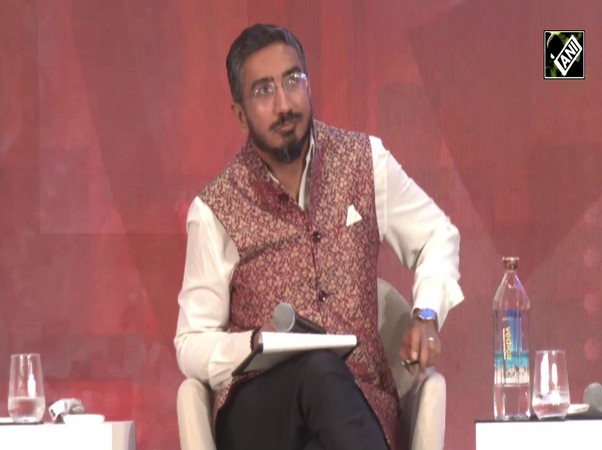
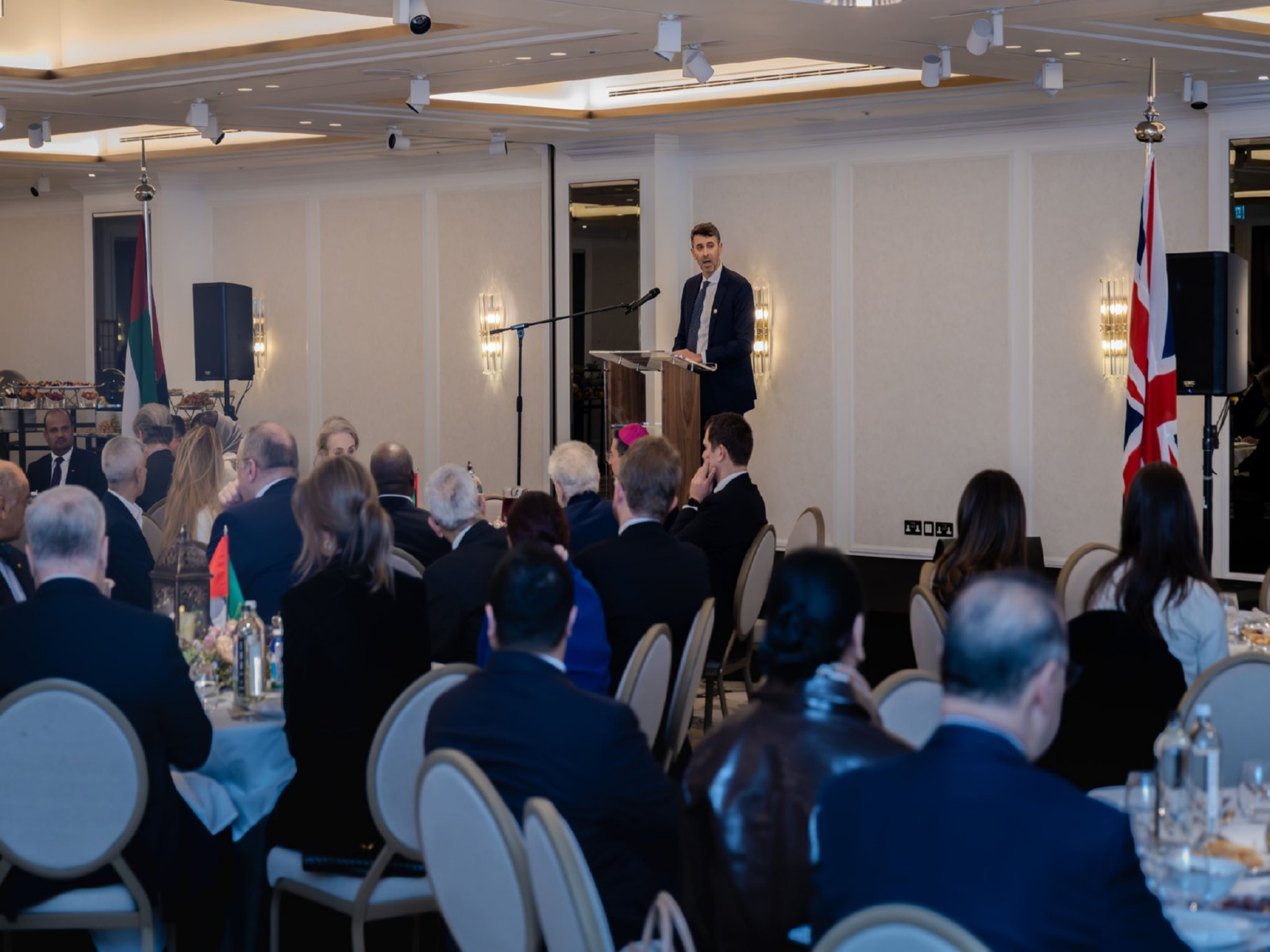
London [UK], March 7 : The United Arab Emirates (UAE) Ambassador to the United Kingdom has called for increased support from Britain following a series of "completely unjustified" attacks on the Gulf nation.
Mansoor Abulhoul stated that "any further support [from Britain] is always welcome, as they would expect from us," highlighting the depth of the strategic partnership.
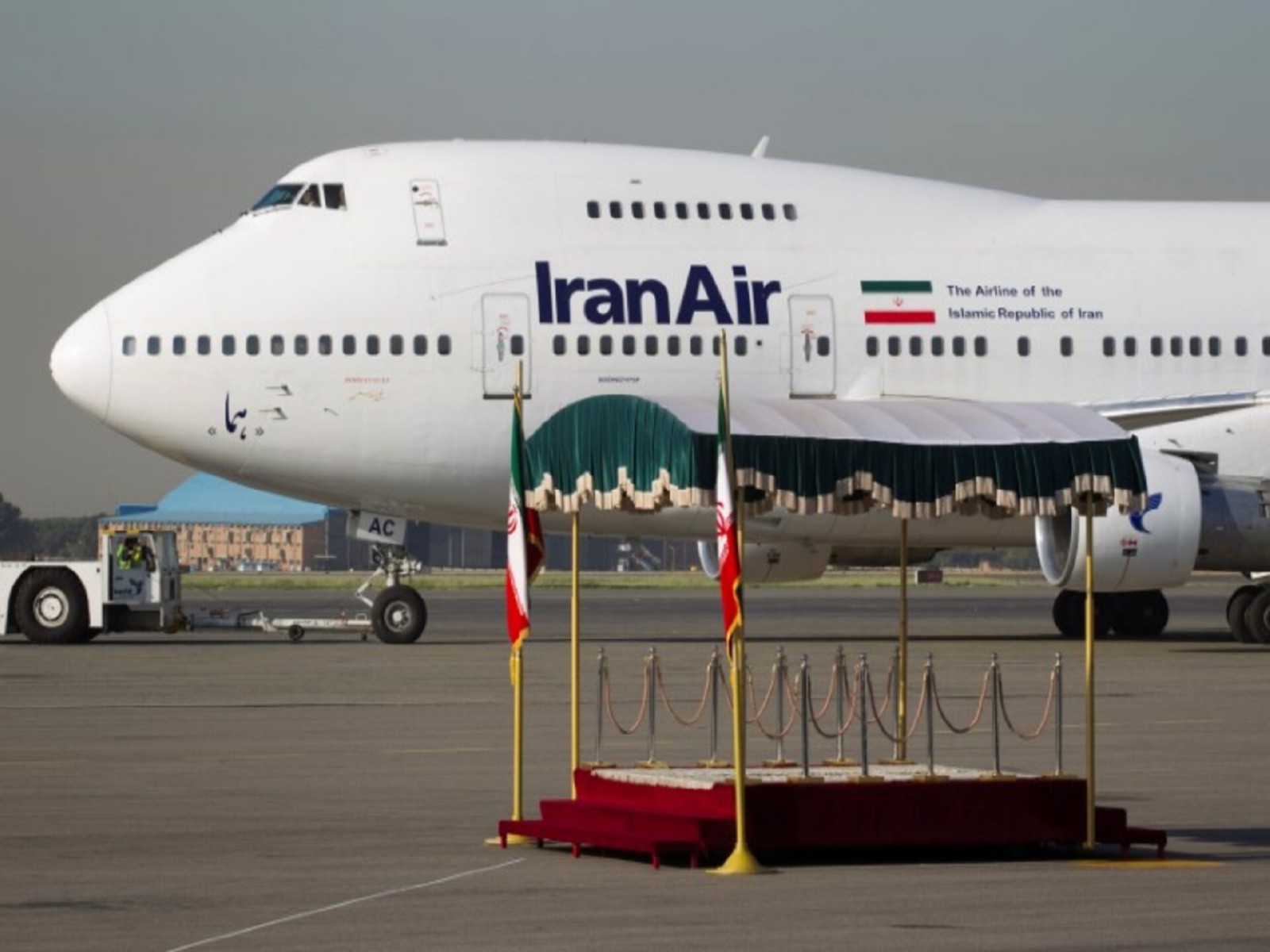
The appeal comes as the UAE faces ongoing strikes from the Iranian regime, which have significantly impacted the region's transport hubs. Major airports have been hit, leaving thousands of travellers stranded over the past week as the Middle East conflict continues to escalate.
In an interview with GB News, the Ambassador underscored the importance of the bilateral bond. "In terms of the UK government, I wouldn't want to comment on operation capability of the British government, but I would underline that this is an incredibly important relationship with the United Kingdom, both on the historical level but also on the people to people level," Abulhoul said.
He further elaborated on the deep-rooted connections between the two nations, noting the significant social and financial ties. "We have huge people to people connectivity. Our economic links are incredibly strong. United Arab Emirates is the largest trading partner with the UK. We have a big investment programme into the United Kingdom," the Ambassador remarked.
Acknowledging the current level of cooperation, Abulhoul expressed a desire for enhanced assistance during the ongoing crisis. "We've had good support and communication from the UK Government - obviously in times of crisis and war, we'd welcome more as they would expect from us - as a friend would expect from us," he stated.
"We'd always welcome more from a close partner and ally like the United Kingdom," the Ambassador added, maintaining that the UAE's primary focus remains the safety of its inhabitants and infrastructure.
He claimed the UAE's main concern is protecting territory, citizens and the expatriates that live in the country and "we're doing that", he added. Looking toward a resolution of the hostilities, Abulhoul expressed the nation's commitment to regional stability.
"We will double down and ensure that we can bring this conflict to an end. There's no there's no interest in this conflict expanding for anyone in the region," he said. When questioned about a potential military escalation in response to what he described as "unjust" attacks, the Ambassador simply said all options were being evaluated.
The conflict's impact was visibly felt in Dubai over the weekend, where fragments from intercepted Iranian missiles scattered across the city. On Saturday evening, debris struck the Fairmont hotel on Palm Jumeirah, with video footage capturing flames rising from the building's atrium.
The disruption continued into the following morning when further missile fragments struck Dubai International Airport, further complicating the travel crisis for the thousands currently stranded in the country. According to media reports, shrapnel also caused damage to the Burj Al Arab, the Port of Jebel Ali, and various other civilian locations throughout the city.
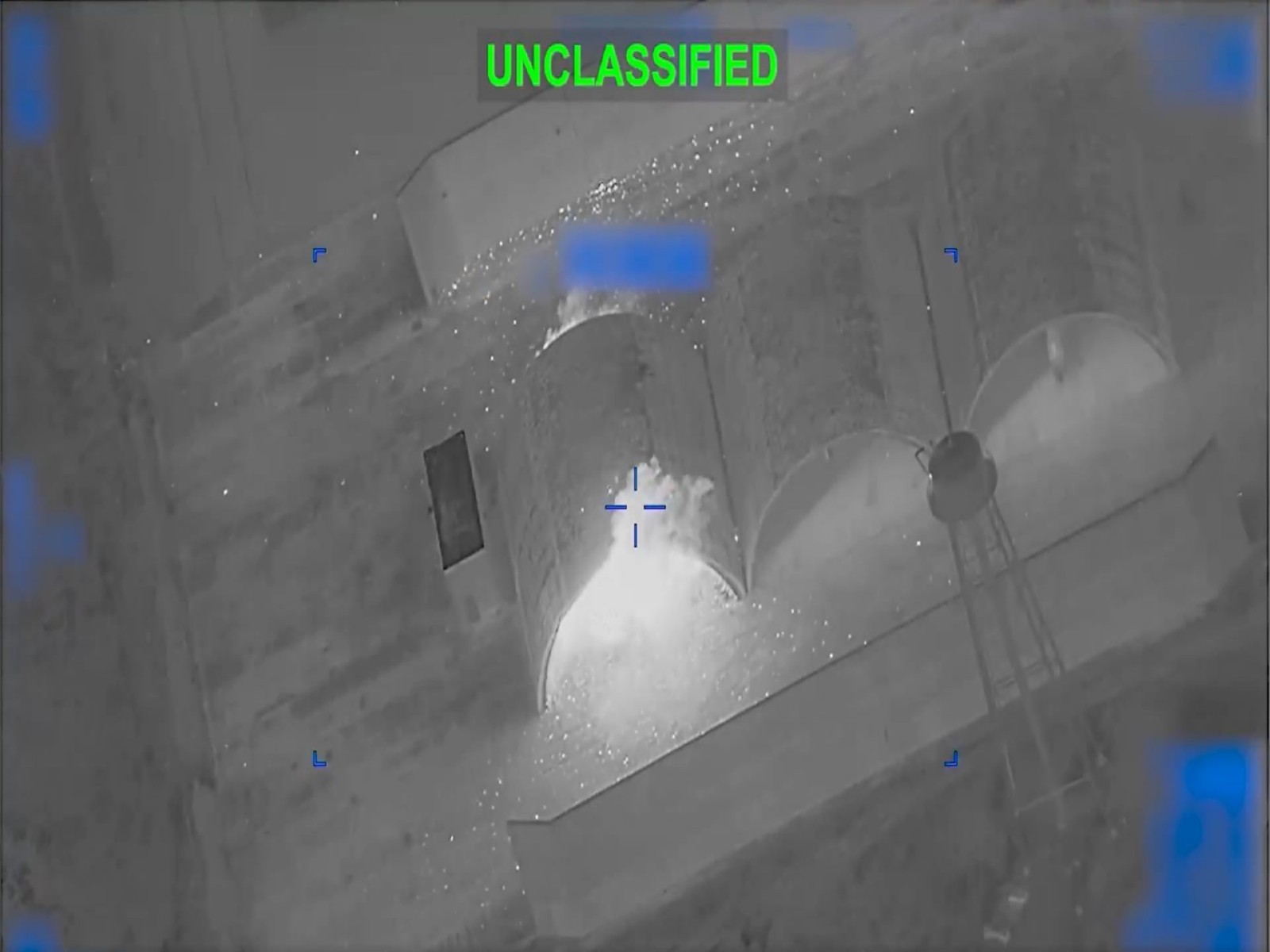
The regional instability intensified on February 28, when the US and Israel conducted coordinated airstrikes across multiple Iranian cities, targeting military command centres, air-defence systems, missile sites, and key regime infrastructure.
These strikes resulted in the death of Iranian Supreme Leader Ayatollah Khamenei and four senior military and security officials, with large explosions reported in Tehran and other major cities.
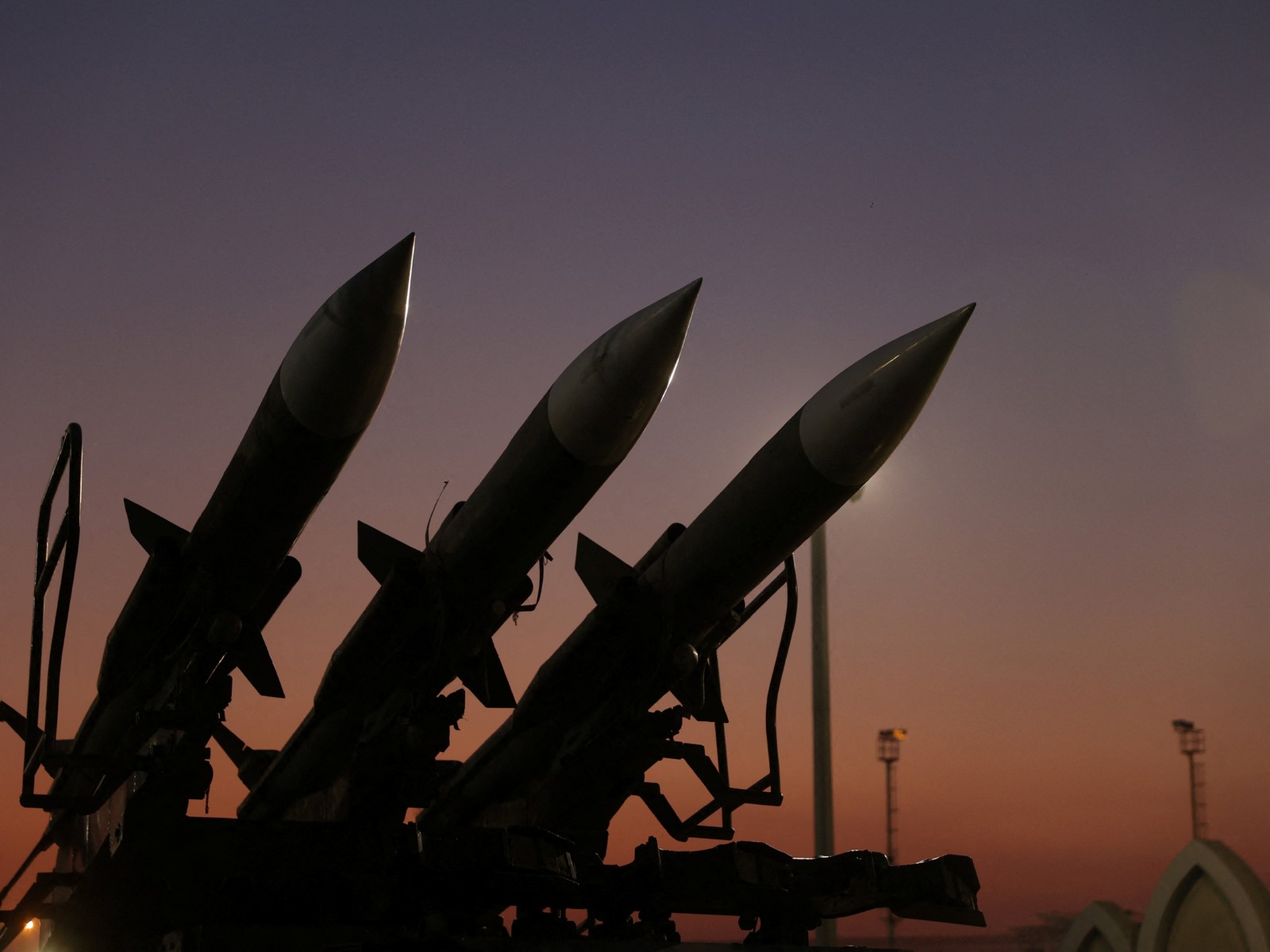
In response, Iran retaliated by launching ballistic missiles and drones at US assets and allies across the region, including Israel, Bahrain, Kuwait, Qatar, Saudi Arabia, the United Arab Emirates, and Jordan, further widening the conflict in the Middle East and heightening risks for civilians and expatriates alike.