"Any instability in Taiwan will impact Indian economy," says Dy Representative Taipei Economic and Cultural Office in Philippines
Mar 06, 2026
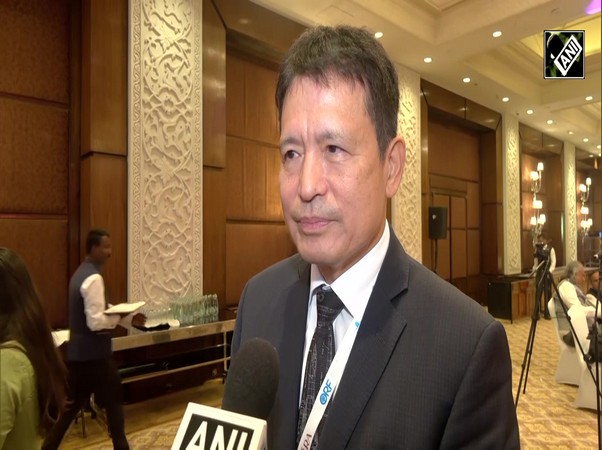
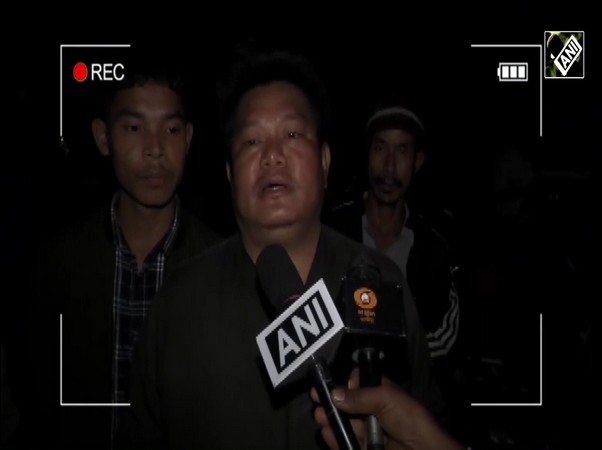
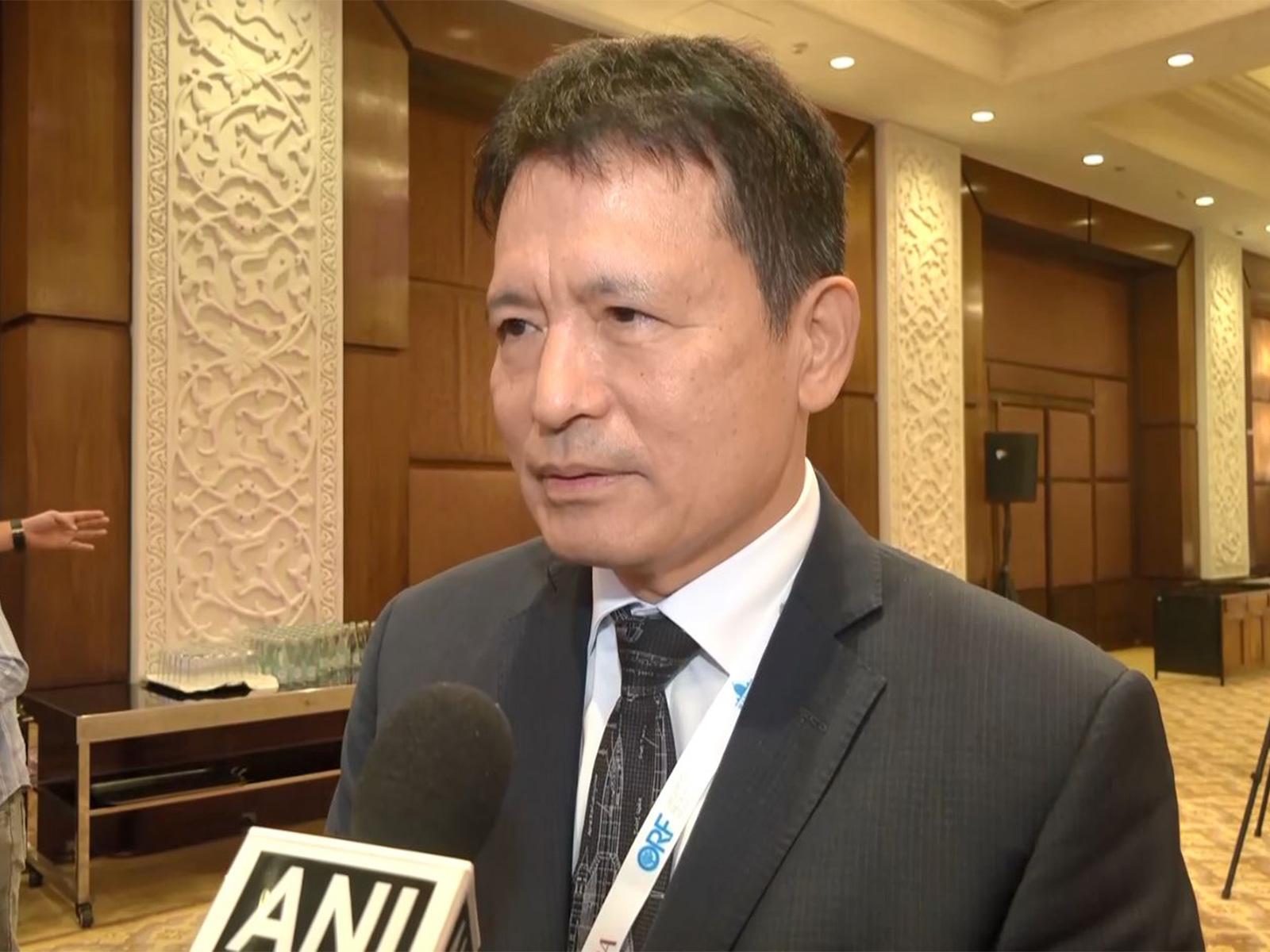
New Delhi [India], March 6 : Highlighting the far-reaching consequences of regional instability, Deputy Representative of Taipei Economic and Cultural Office (TECO) in the Philippines, Michael Lee stated that any conflict in the Taiwan Strait would directly impact the Indian economy, calling on New Delhi to play a role in ensuring regional safety.
Speaking to ANI on the sidelines of the Raisina Dialogue 2026, Lee noted the historical context of the tensions in the region.
"China has tried to invade Taiwan for almost 75 years. Taiwan will continue to improve its defence capabilities. Any instability in Taiwan will impact the Indian economy. And this is why we would like to maintain peace, stability and prosperity in the region. We hope the Indian government can play a role to ensure the safety of this area," he said.
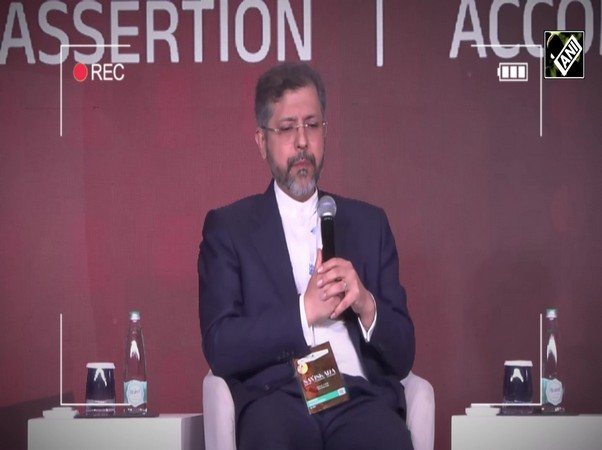
The global ripple effects of concurrent conflicts were further detailed by Helena Legarda, Head of Program for the Foreign Relations team at the Mercator Institute for Chinese Studies (MERICS), who told ANI that the ongoing war involving Iran is causing significant energy and strategic concerns for Beijing. 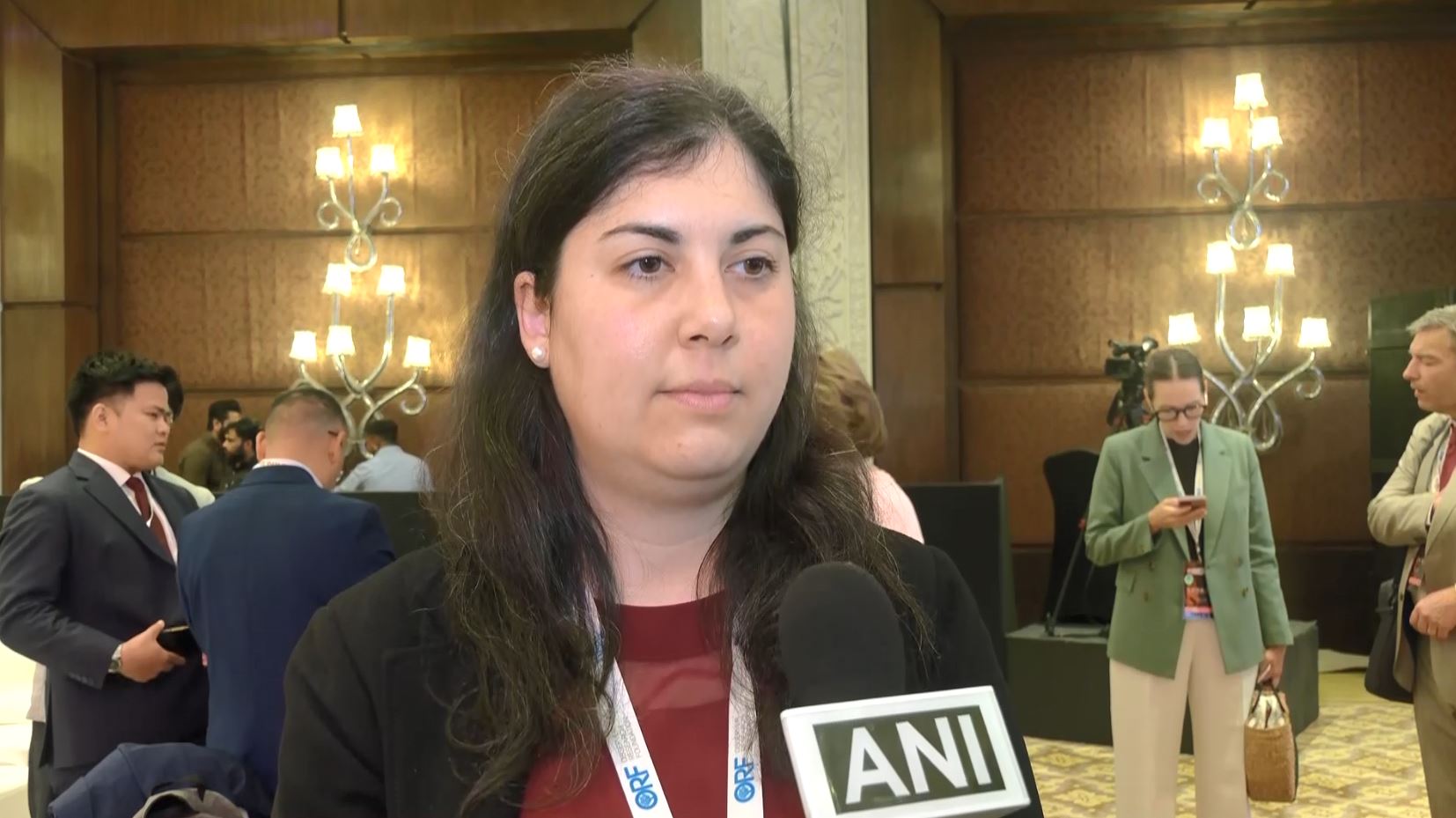
"China is looking at this war with some concern. Iran was one of the sources of oil that China leaned on, so this will have an impact on China's energy and security, which it will get from elsewhere, but it will be expensive and difficult. China could also lose a strategic partner, which geopolitically could have somewhat of an impact," Legarda explained.
She further observed that Beijing might seek to leverage the situation to bolster its diplomatic image.
"China also might actually see some potential benefits due to the fact that Beijing is very keen on presenting itself as a responsible global power and a force for peace and to contrast itself with the United States in particular, but also other Western powers. Beijing will definitely use this conflict as well to continue making this point internationally and try to build up more support for its own alternative views of how the global order and global governance should function," she stated.
Addressing whether global conflicts are shifting Beijing's timeline regarding Taiwan, Legarda maintained that China's core ambitions remain constant, though its tactics are being refined.
"China's policy and ambitions vis-a-vis Taiwan have not really changed based on Russia's post-Kremlin invasion of Ukraine or this war in Iran and the Middle East. The position is longstanding. Beijing is learning lessons from all of these conflicts, and it will adapt how it operates, in case it decides or when it decides to make a move on the Taiwan question. Some of these lessons are sort of military in nature, like the importance of air defence systems," Legarda noted.
In the context of broader regional stability, Legarda suggested that China is currently prioritising a more cautious approach to its bilateral ties, including those with India, as it manages a complex international landscape.
"China is at the moment looking to preserve or restore stability in a lot of its international and bilateral relations because it is dealing with what the Chinese Communist Party in Beijing describes as an increasingly challenging international environment. From Beijing's perspective, they will probably try to keep things relatively stable for the time being, at least in the short run, while they navigate their relationship with the US," she added.