"As a host, India has to bring all parties together, herculean task for diplomacy": Expert ahead of BRICS 2026
Mar 31, 2026
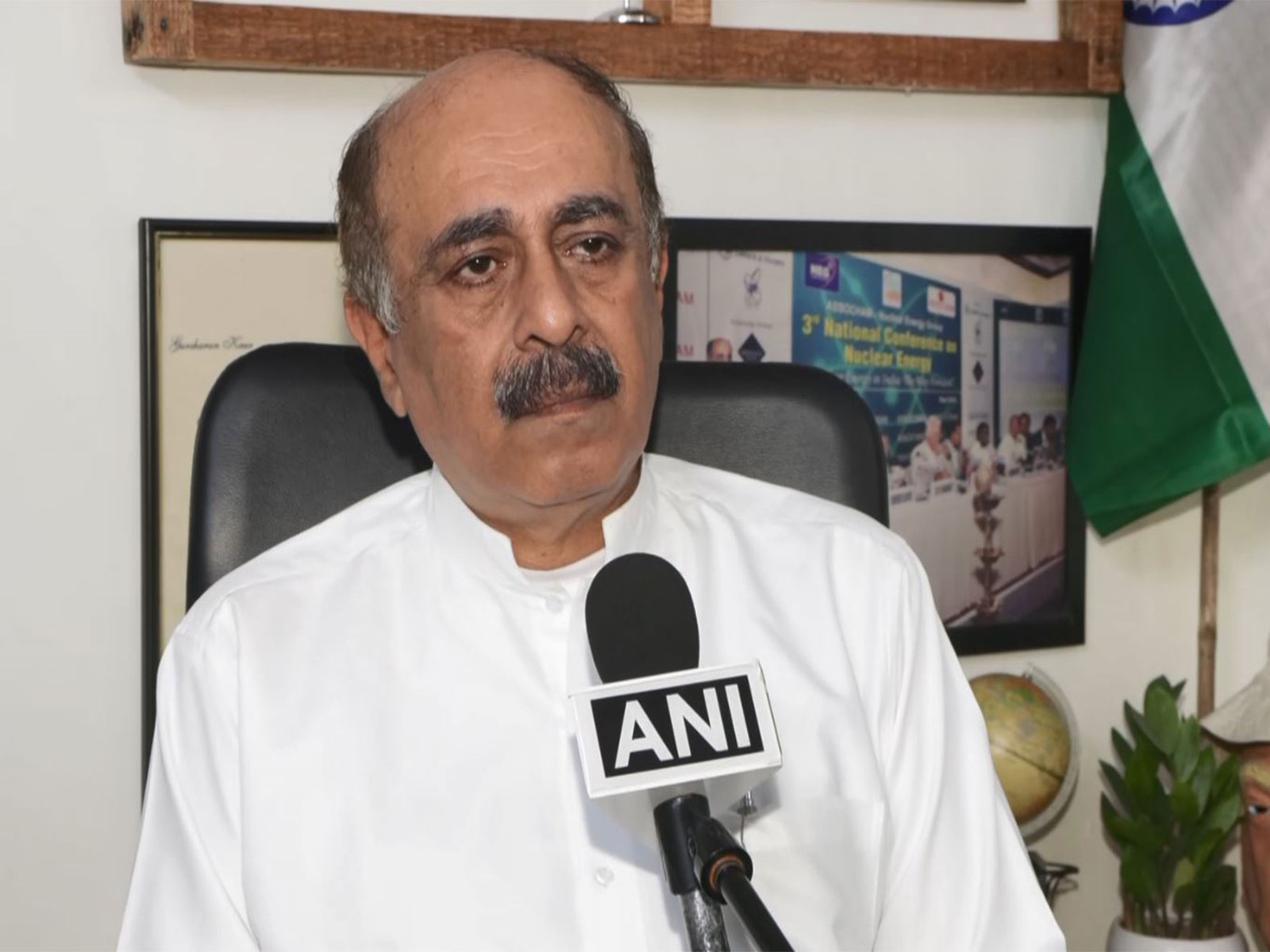
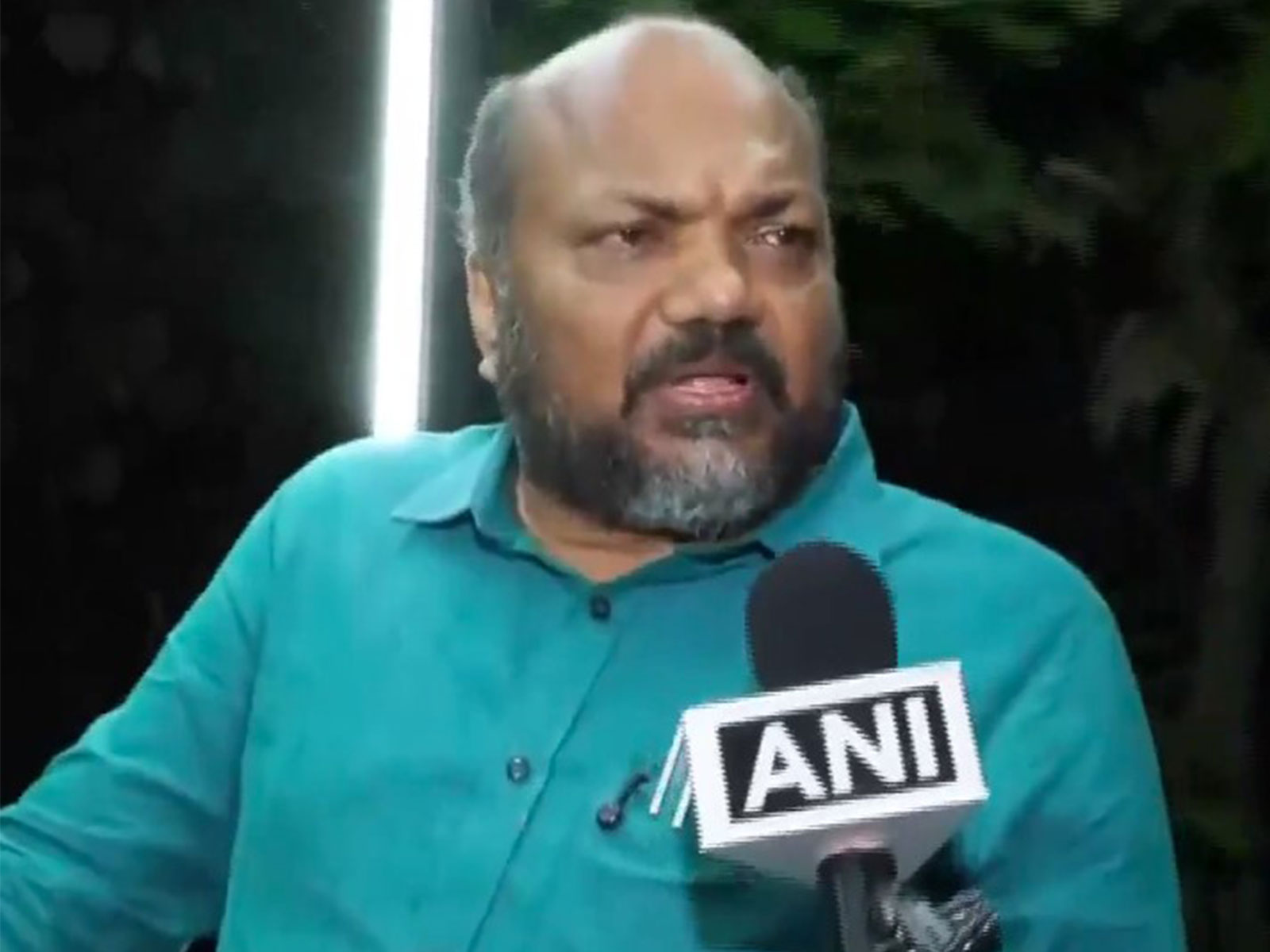
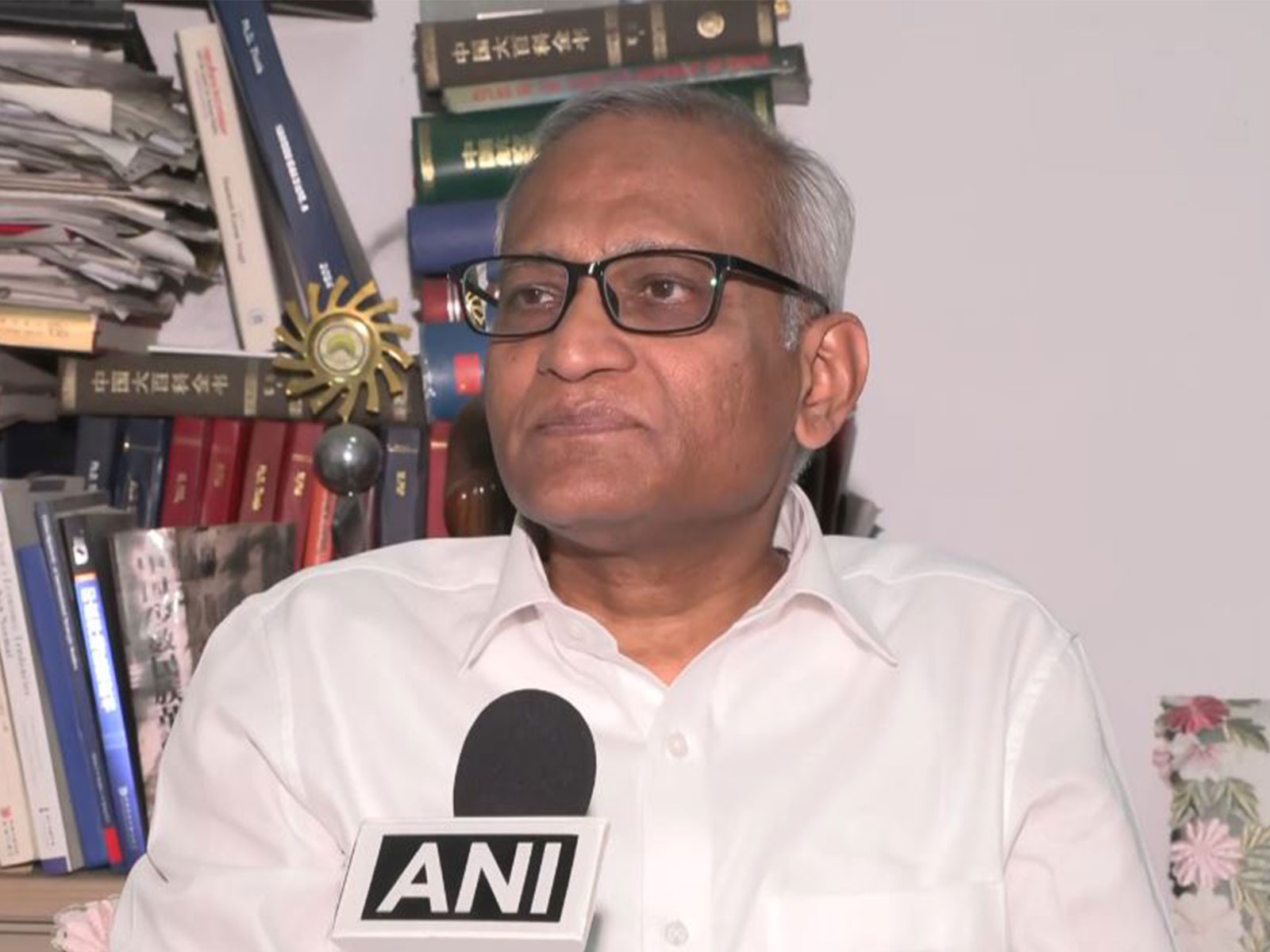
New Delhi [India], April 1 : As India prepares to assume the BRICS Chair in 2026, its position on the ongoing West Asia conflict will be closely watched, according to Professor Srikanth Kondapalli, a Chinese Studies expert at Jawaharlal Nehru University (JNU).
Speaking to ANI, Prof. Kondapalli said, "This is a very complicated situation for India, because Iran is a member of the BRICS and also Saudi Arabia... Also, India and Iran are members of the SCO and so there is solidarity between the members... This issue will also be taken up in the BRICS meeting, but it has become complicated because Iran attacked Saudi Arabia and the UAE, which are members of the BRICS as well. So for India to take side on one as against the other would be problematic given its position on non-alignment and other positions."
He highlighted India's broader regional connections, adding, "India is close to both Iran and Israel, as well as Saudi Arabia and the UAE. With Oman, India had previously concluded a free trade agreement, reflecting close ties there as well. So the situation is complex."
Prof. Kondapalli drew a parallel with India's role during the G20 meeting in New Delhi, where the country had to navigate between Russia and the United States over the Ukraine conflict.
"Finally, there was a consensus in the G20 meeting without naming anyone in the Ukrainian conflict. Likewise, it appears that in September, when the BRICS meeting convenes, we will probably see a lot of shadow boxing but also negotiations leaving aside the regional conflict," he said.
He emphasised that India's neutral position enhances its credibility in BRICS negotiations but noted the challenge of hosting such a summit. "As a host, India has to bring all parties together, and this will be a herculean task for Indian diplomacy," Prof. Kondapalli concluded.
The BRICS group - which includes Brazil, Russia, India, China and South Africa - was formed as an economic and political bloc of major emerging economies.
The term "BRIC" was originally coined in 2001 by economist Jim O'Neill to describe the growing economic influence of Brazil, Russia, India and China. BRIC's first formal summit was held in 2009. The group was then expanded to 'BRICS' in 2010 with the inclusion of South Africa.
The bloc was further expanded in 2024 to include Saudi Arabia, United Arab Emirates, Iran, Egypt and Ethiopia, significantly increasing its geopolitical and economic influence.
Together, BRICS countries account for a significant share of the global population and economic output, representing around half of the world's population and a rapidly expanding share of global GDP.
Indonesia joined the BRICS in 2025. Since the beginning of last year, Belarus, Bolivia, Kazakhstan, Cuba, Malaysia, Thailand, Uganda and Uzbekistan have officially received the partner status and on January 17, Nigeria.
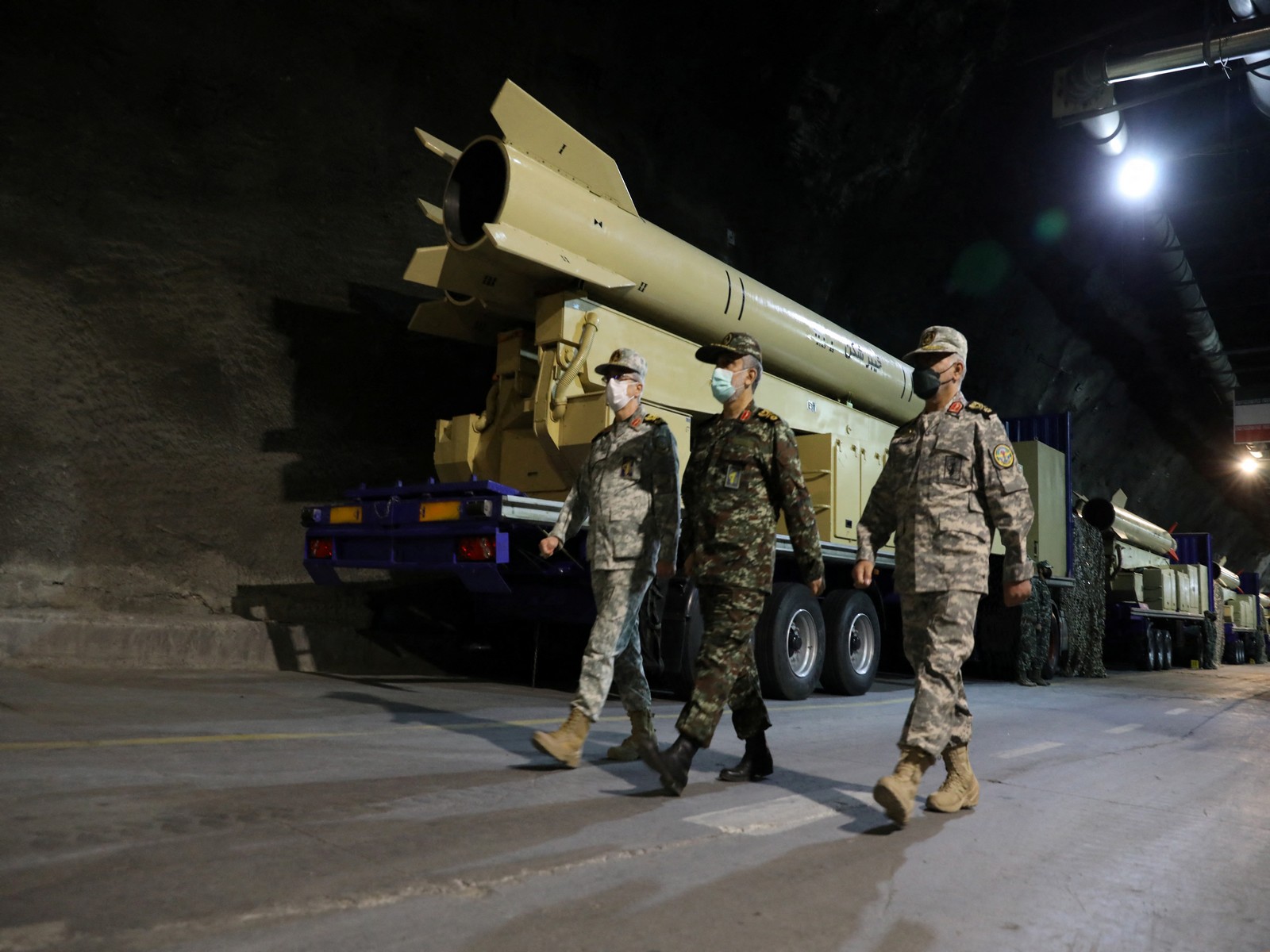
The situation escalated in West Asia after a joint US-Israel military strike on February 28 on Iranian territory resulted in the death of its Supreme Leader, Ayatollah Ali Khamenei, and other senior figures, prompting a fierce response from Tehran.
As of now, reports suggest that the US is preparing plans for the possibility of extended ground operations in Iran for several weeks, as per The Washington Post.
The US has deployed additional US Troops in the West Asia region as part of efforts to maintain strategic flexibility as the war rages on in the region, with diplomatic channels working in the background to strike a deal to end it, according to the White House Press Secretary Karoline Leavitt.