At least 17 vessels attacked in West Asia waters over 2 weeks, maritime threat 'critical': UKMTO
Mar 14, 2026
London [UK], March 15 : At least 17 vessels have been attacked in key Middle East shipping lanes over the past two weeks amid the ongoing conflict, according to a report by CNN citing data from the United Kingdom Maritime Trade Operations (UKMTO).
The attacks have occurred in and around the Persian Gulf, the Strait of Hormuz and the Gulf of Oman since March 1, the news report said.
At least one person, an Indian national, has been killed as a result of the attacks, according to UKMTO and India's embassy in Oman.
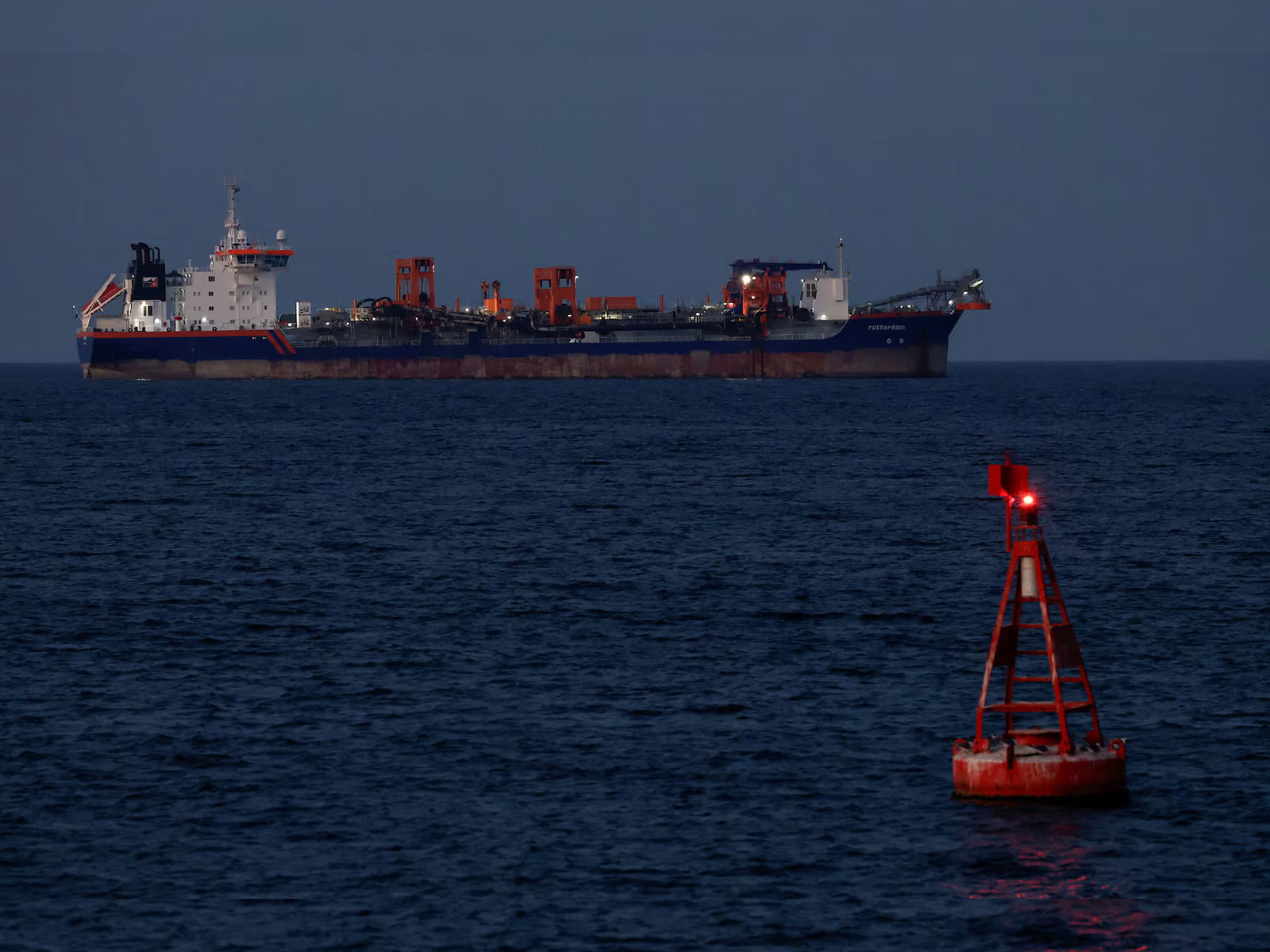
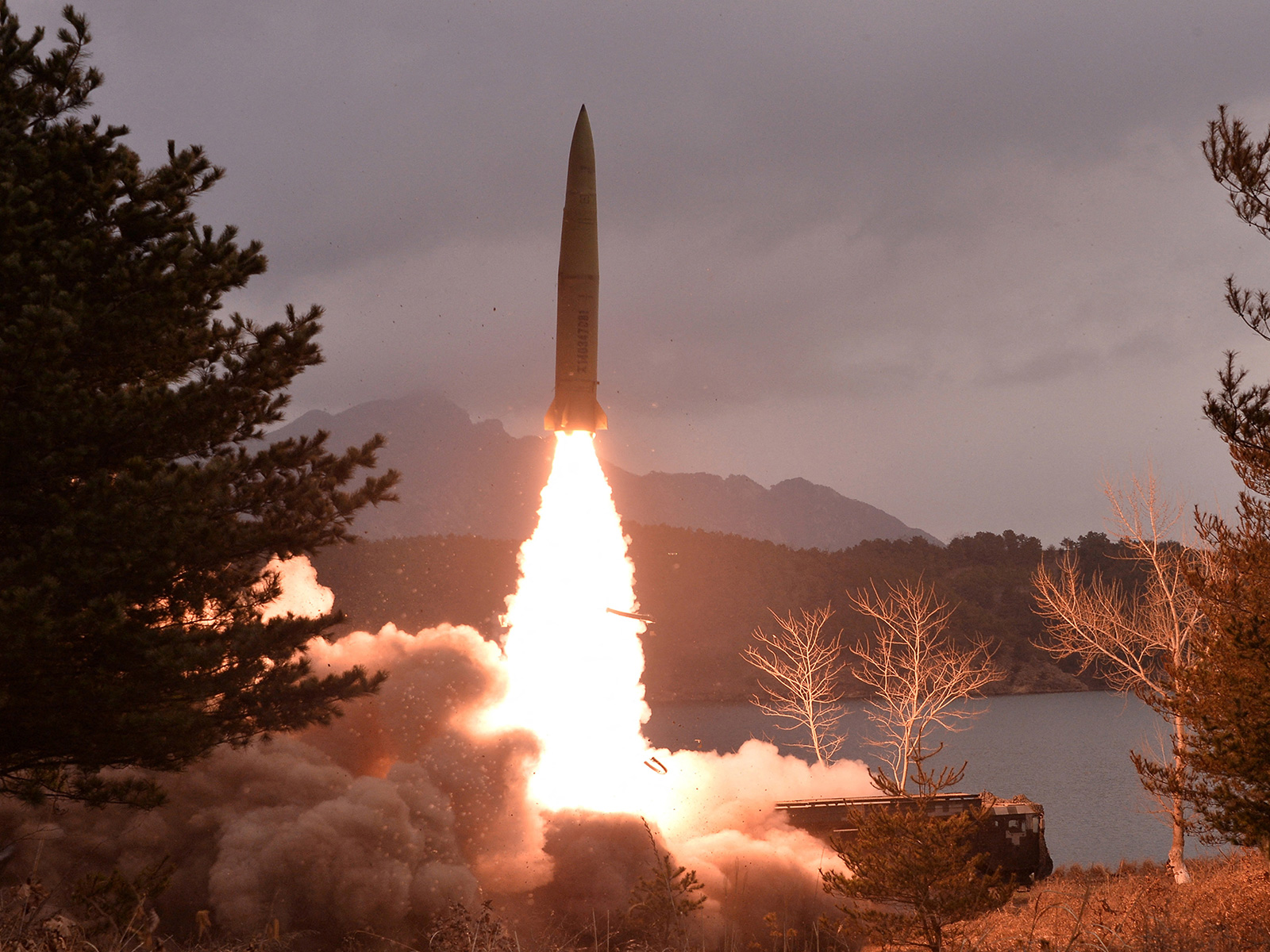
According to CNN, two tankers were struck by projectiles in the Strait of Hormuz on March 1, while another tanker was hit while docked in Bahrain. A fourth tanker, MKD VYOM, was struck in the Gulf of Oman, killing one person. A fifth vessel was also attacked when a projectile detonated in proximity to it in the Persian Gulf.
On March 3, two vessels anchored in the Gulf of Oman were struck by projectiles, while a drone was also sighted near a bulk carrier and impacted the water nearby, UKMTO said.
Explosions were reported onboard two vessels on March 4 in the Strait of Hormuz and the Persian Gulf, while another projectile detonated around one nautical mile from a drifting vessel in the Persian Gulf.
On March 6, a tug vessel in the Strait of Hormuz was struck by projectiles.
The following day, March 7, an offshore drilling rig in the Persian Gulf was hit by a drone, causing injuries and prompting the evacuation of personnel.
On March 10, a vessel in the Persian Gulf was struck by a projectile, causing possible structural damage.
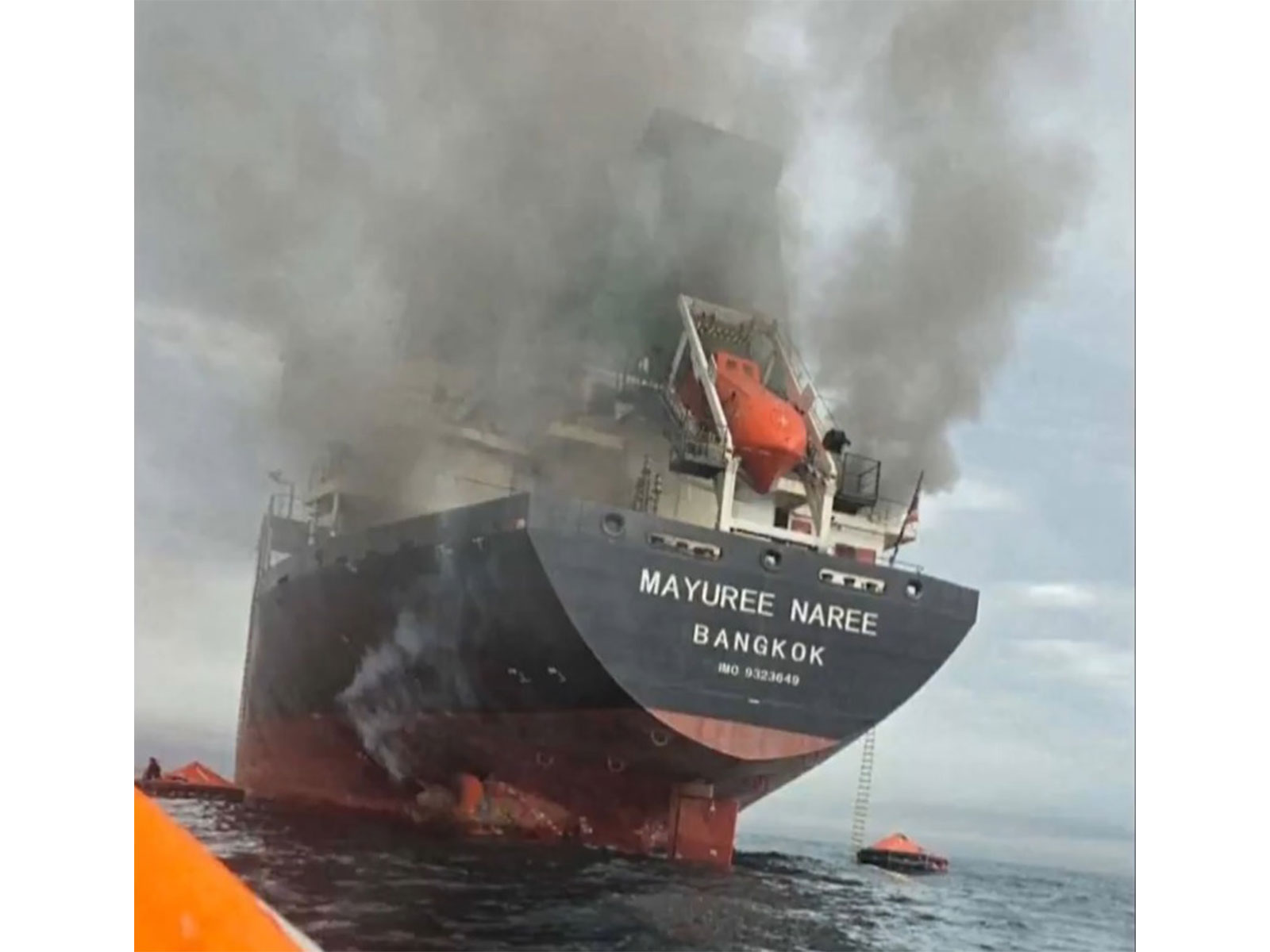
A container ship, Mayuree Naree, was struck by a projectile in the Strait of Hormuz on March 11, while three other vessels in the Persian Gulf were also hit the same day.
On March 12, another container ship in the Persian Gulf was struck by a projectile that caused a fire onboard, according to UKMTO.
Meanwhile, an advisory issued by the Joint Maritime Information Centre (JMIC) in coordination with UKMTO warned that the regional maritime threat level remains "critical" in the Arabian Gulf, the Strait of Hormuz and the Gulf of Oman.
https://x.com/UK_MTO/status/2032866722881933582
The advisory covering the period from March 1 to March 14 said the security environment continues to be marked by persistent disruption, navigation interference and a pattern of kinetic strikes.
It said more than 20 maritime incidents involving commercial vessels and offshore infrastructure had been confirmed during the period.
The report also highlighted a dramatic collapse in shipping traffic through the Strait of Hormuz, one of the world's most important oil transit chokepoints.
According to the advisory, the waterway historically sees around 138 vessels transiting daily, but current observations suggest traffic has dropped to about two vessels per day.
The advisory noted that attacks are no longer selectively targeting Western-owned ships but instead reflect a broader campaign of maritime disruption affecting vessels of all types and nationalities.
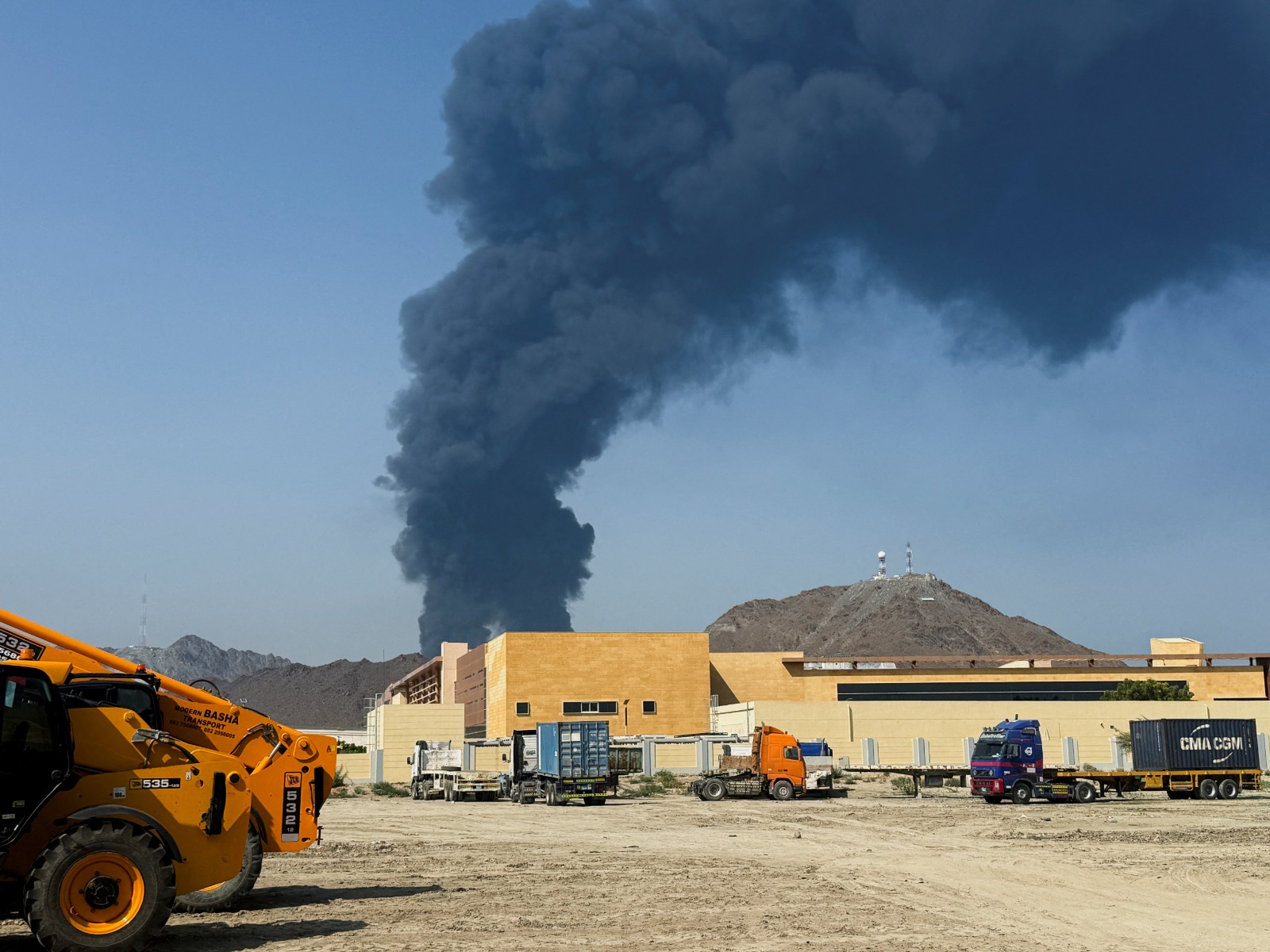
Among the recent incidents highlighted in the advisory was the attack on the Fujairah oil terminal within the last 24 hours, indicating that port infrastructure and bunkering facilities are now being targeted.
It also cited several major incidents during the period, including the strike on MKD VYOM on March 1 that resulted in a fatality, a projectile strike on tanker STENA IMPERATIVE in dry dock in Bahrain, and a drone attack on the ARABIA III offshore drilling rig on March 7 that injured personnel.
Two tankers, SAFESEA VISHNU and ZEFYROS, were also struck on March 11 during ship-to-ship transfer operations in the northern Arabian Gulf, while the vessel SOURCE BLESSING was hit by a projectile near Jebel Ali on March 12.
The advisory further warned of widespread electronic interference affecting navigation systems, including GNSS and GPS spoofing and jamming.
AIS anomaly detection has recorded hundreds of vessels appearing to travel at "impossible" speeds exceeding 30 knots or showing false positions, such as appearing on land.
While the interference has been most intense in the Arabian Gulf, the report said similar disruptions have also been observed extending toward the Red Sea near the Bab el-Mandeb Strait.
The situation is also having significant economic and operational impacts on global shipping.
War-risk insurance premiums have surged, and underwriting conditions have tightened, while disruptions in the Strait of Hormuz are pushing up freight rates and bunker fuel prices and affecting supply chains for energy products and fertilisers, the advisory said.
The report urged mariners to avoid predictable movement patterns, minimise time spent anchored or docked, and verify navigation data through radar, visual bearings and manual plotting to counter GPS interference.
It also warned crews to treat any suspected projectile or debris as unexploded ordnance and maintain safe distances from naval vessels to prevent misidentification.