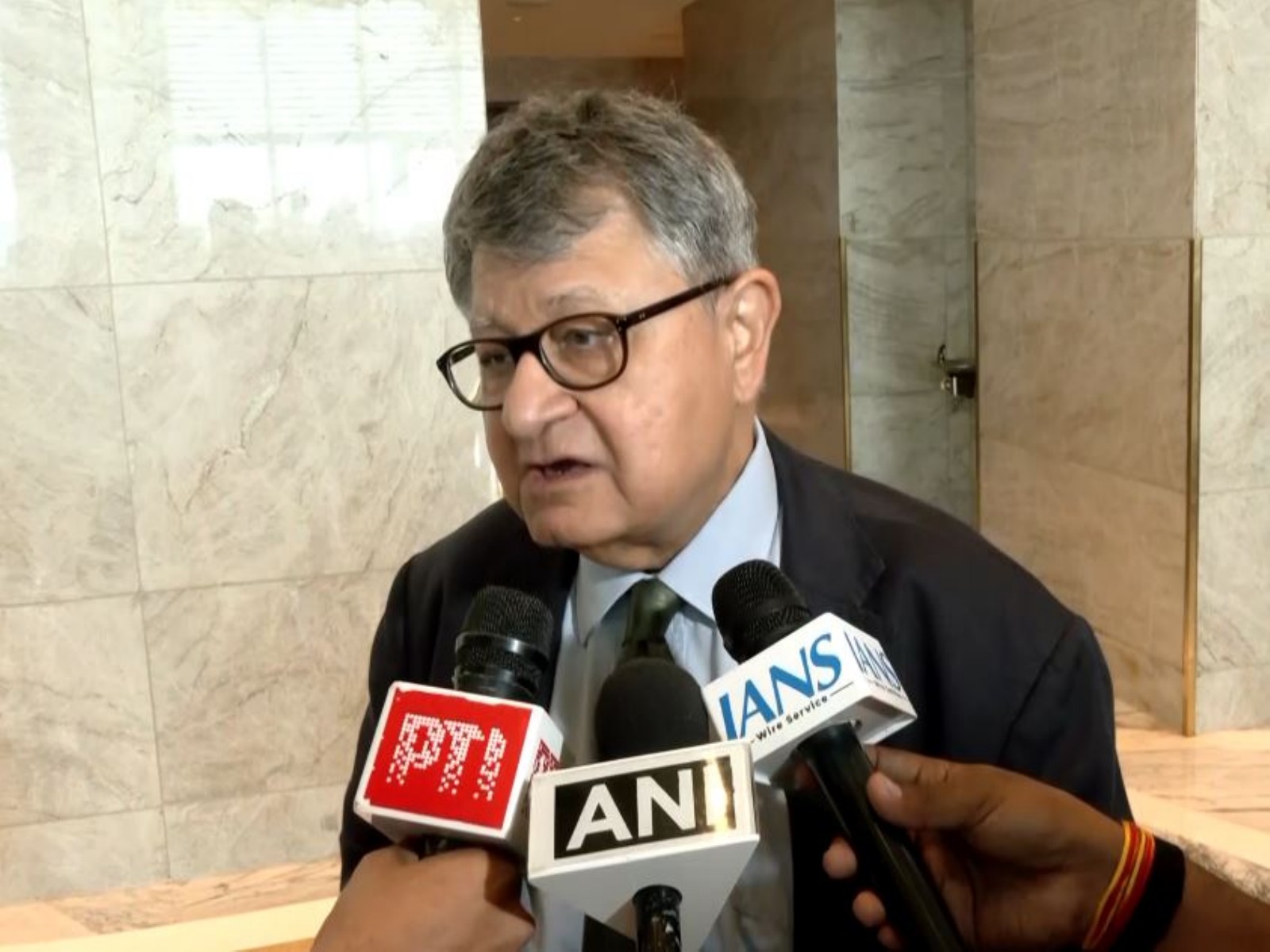
At Mumbai Climate Week, Niti Ayog VC Suman Bery highlights growth, gender inclusion and India's clean energy push
Feb 18, 2026
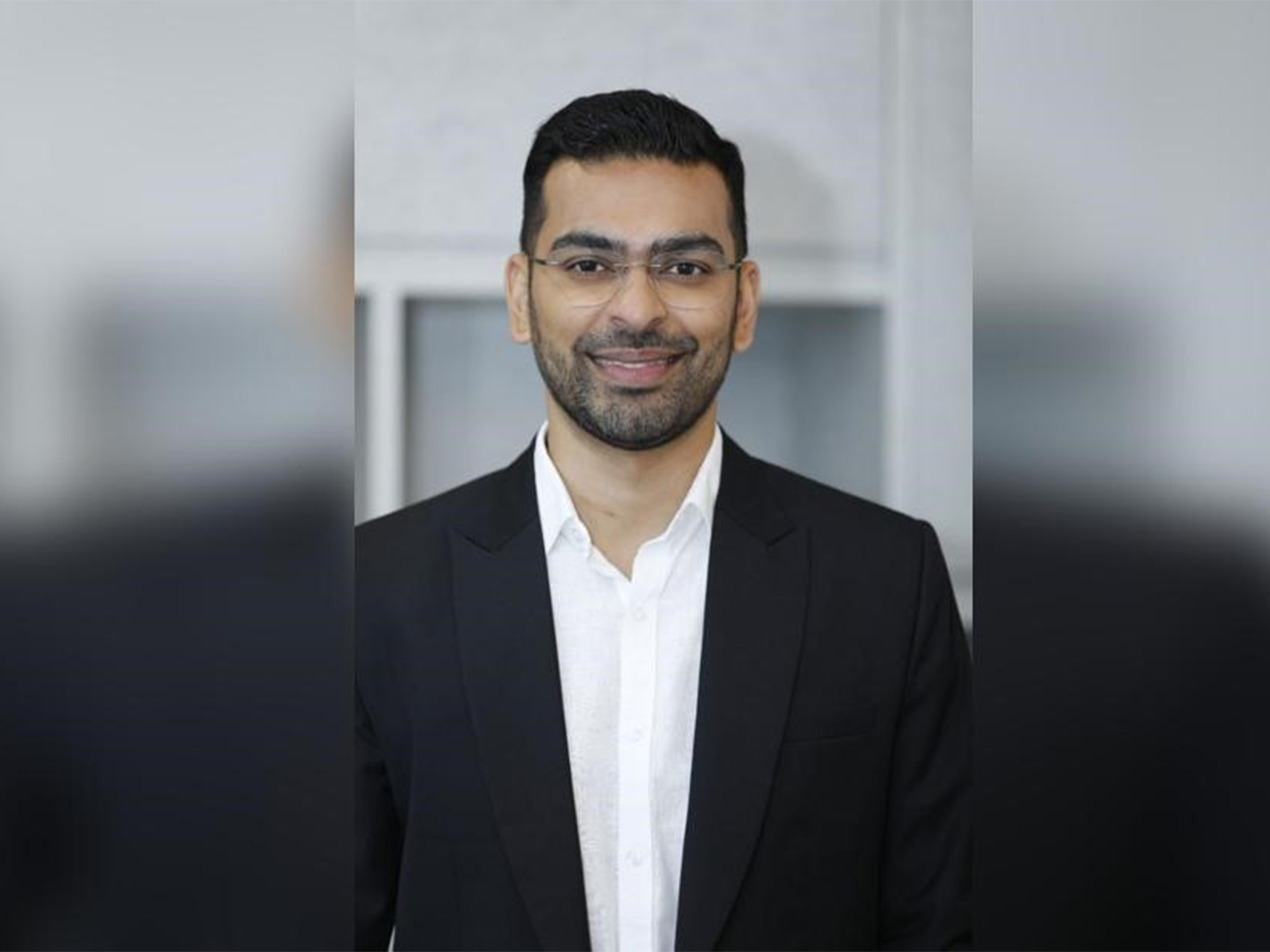
Mumbai (Maharashtra) [India], February 18 : NITI Aayog Vice Chairman Suman Bery outlined a vision that connects economic growth, women's workforce participation, and India's push for energy self-sufficiency, arguing that clean technology and competitive infrastructure can reinforce the country's development trajectory.
Drawing on insights from Nobel laureates, Bery reflected on the relationship between growth and labour force participation, particularly of women.
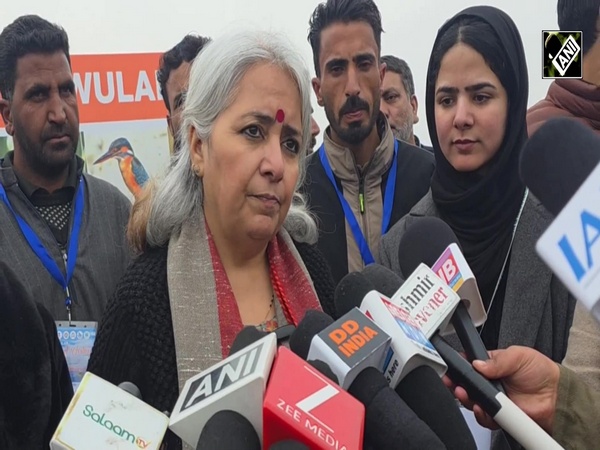
"One of the Nobel Prize laureates a couple of years ago Claudia Goldin has documented even in the United States that there is a gender gap, a wage gap," he said, talking to reporters on the sidelines of Mumbai Climate Week. "But I think the most important if you like insight I could offer comes from another Nobel Prize laureate who I happen to hear when I was at graduate school, was at Princeton which is where I was, Sir Arthur Lewis."
Bery elaborated on Lewis's thesis linking growth and labour mobilization. "So what Sir Arthur Lewis basically said, and he had enormous experience, is that, if economies grow, they will look for sort of labor resources," he noted.
"What we've seen in the US is women came into the labor force and after that migrants came into the labor force. So, you know, in some ways this is sort of interactive. You grow faster and more women will be sucked in," he said. "You prime the pump so that you induce women, grow faster. So that's the magic circle, that's the spiral we have to aim for."
Turning to the broader theme of Mumbai Climate Week, Bery aligned his remarks with Prime Minister Narendra Modi's vision of energy self-reliance.
"The underlying theme of Bombay Climate Week and of my remarks was that consistent with PM's speech from Red Fort of India's self-sufficiency in energy," he said. "We should exult in the fact that technology is now giving us competitiveness in a fuel source which is abundant, which is the sun and wind. So that plays to us."
He emphasized that while India's renewable resource base offers a comparative advantage, integration remains the key challenge. "Now the question of integrating these new resources with which we are abundantly endowed into the existing grid is the challenge," he said.
Bery also highlighted India's cost competitiveness in emerging infrastructure sectors.
"What I read in the newspapers, this is not Niti research, is that a data center in India for all kinds of reasons is much cheaper than a data center in the US, for all kinds of reasons," he said. "So if we can be competitive in both the grid, and in mobilizing, it plays to our comparative advantage."
He underscored the importance of reliable power supply for India's ambitions in advanced manufacturing. "The next point is, of course, quality of power supply, which turns out to be incredibly important for our ambitions in chip manufacturing," Bery said. "So there is the issue of a coordinated development of the infrastructure, but also the issue of uninterrupted high-quality power, which probably would be taken care of by the data center operators themselves."
Pointing to the rapid expansion of global capability centres (GCCs) and data infrastructure, he added, "Who would have thought the GCCs would be growing like mushrooms, or data centers might grow like mushrooms."