"Atmosphere of scarcity is being created": Avinash Pande criticises Centre over commercial LPG cylinder shortage
Mar 11, 2026
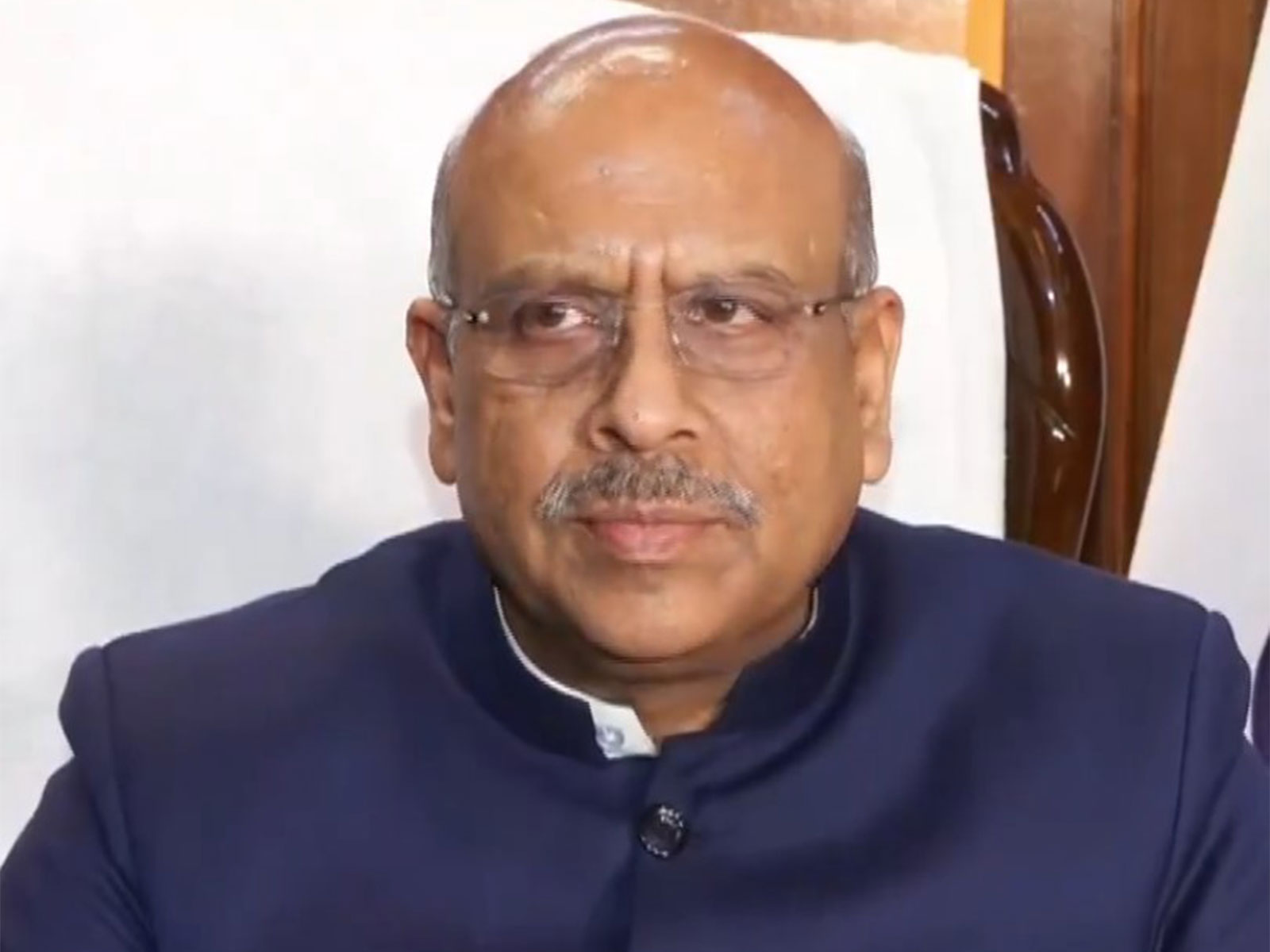
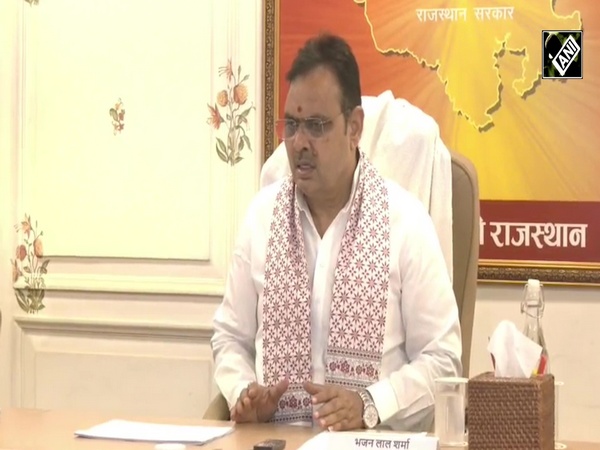
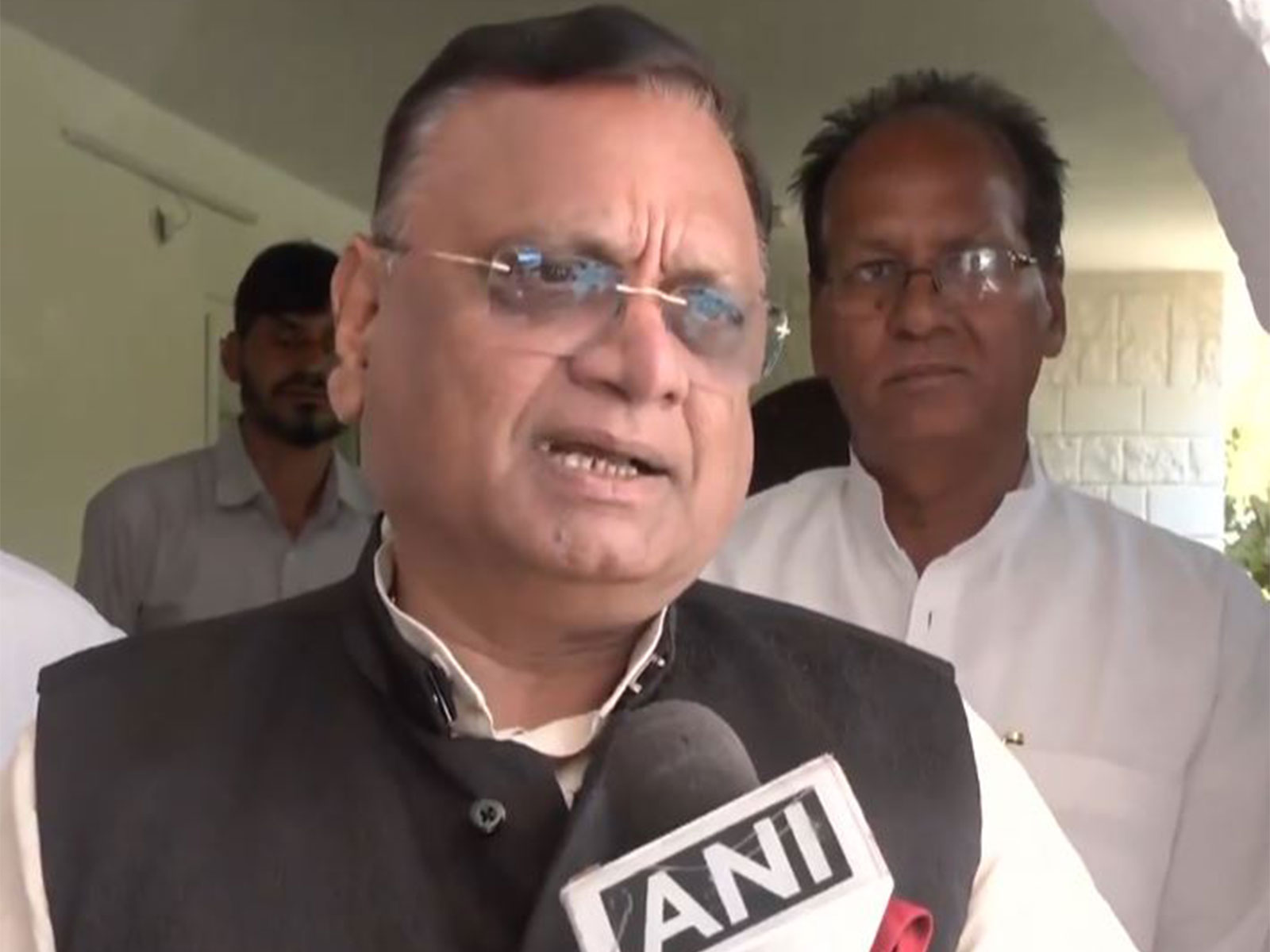
Jaipur (Rajasthan) [India], March 11 : Congress General Secretary Avinash Pande on Wednesday criticised the government over the commercial LPG cylinder shortage, stating that the situation is creating an atmosphere of scarcity and directly impacting the budgets of common people.
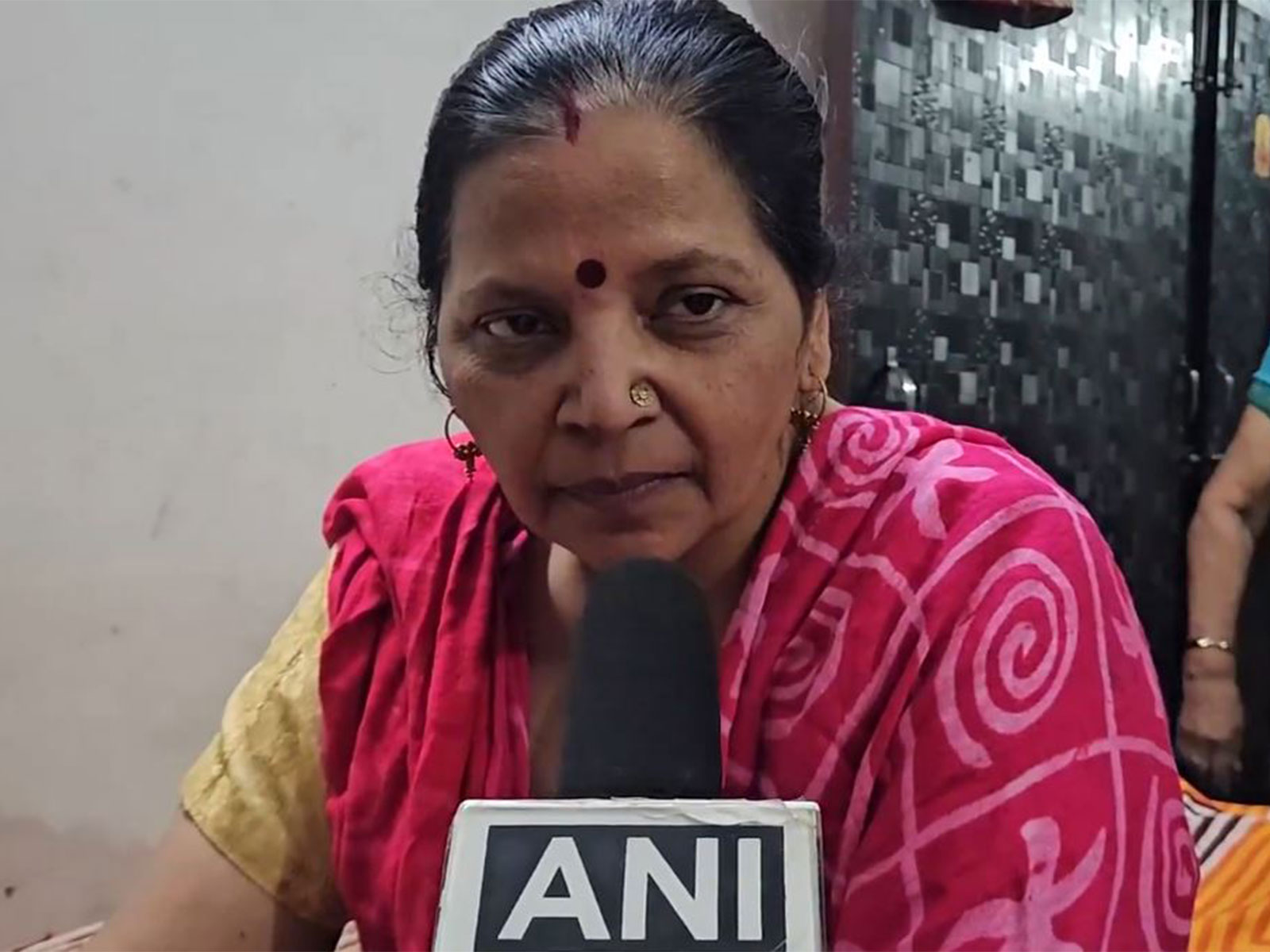
Speaking to ANI, Pande criticised the administration's ability to manage the economic fallout.
"The world is facing a catastrophe, and no one is happy about it. No one benefits from war... An atmosphere of scarcity is being created. The Finance Minister is saying that there will be no shortage, but the prices are increasing. This is a direct hit on the budgets of the common public," he said.
The volatility in the LPG market is primarily driven by the ongoing conflict between the US, Israel, and Iran, which has significantly impacted the Strait of Hormuz. This maritime corridor is critical for India, as it is the transit route for approximately 85-90% of its LPG imports.
To prevent a domestic shortage, the Ministry of Petroleum and Natural Gas has invoked the Essential Commodities Act (1955). This allows the government to prioritise domestic household LPG supplies by directing refineries to maximise LPG production and restrict the diversion of propane and butane to other industrial or petrochemical uses.
While the government maintains that domestic household supply is secure, sectors like hospitality (hotels and restaurants) have reported significant operational challenges due to shortages of commercial LPG cylinders. Some establishments in cities like Bengaluru, Mumbai, and Delhi have reportedly reduced operating hours or curtailed menus to manage fuel stocks.
To address the grievances of non-domestic users, the government has formed a three-member committee to assess bottlenecks and manage supply distribution. Additionally, India has diversified its energy import strategy, including sourcing from the US Gulf Coast, to mitigate the impact of the Strait of Hormuz disruption.
Earlier in the day, Rajya Sabha MP Kapil Sibal acknowledged the government's decision to prioritise domestic LPG production for household use, calling it a necessary step to ensure benefits reach consumers directly.
Speaking to ANI, the Rajya Sabha MP also asserted that a significant impact on Indian industries was inevitable due to the ongoing conflict between the USA, Israel, and Iran.
"These are consequences, this was bound to happen, the war will continue, it will go on for 2-4 weeks, it will be very difficult. Our industries, be it textiles, petrochemicals or our need for LPG, out of which 40 pc comes from Qatar, if this is closed, various sectors will be impacted, so the government did right in prioritising it should first go to the consumers (supply) then industries, essential commodities, these decisions are right," said Sibal.
Meanwhile, this comes in the backdrop of escalating war in West Asia between Iran, Israel and the United States, which has spread to the Gulf countries.
Due to reprioritisation, domestic LPG production has increased by 10 per cent in the last few days and consignment of LPG and LNG is coming from various sources.
The sources said a new consignment of LPG/LNG is expected very soon. "We were in crisis earlier, but today we are not in any crisis of petroleum products. Indian refineries are running at full capacity as they were operating before the Iran-Israel conflict," a source said.