'Balance of Economy and Ecology': Environment Minister commends Union Budget 2026 for sustainable development goals
Feb 01, 2026
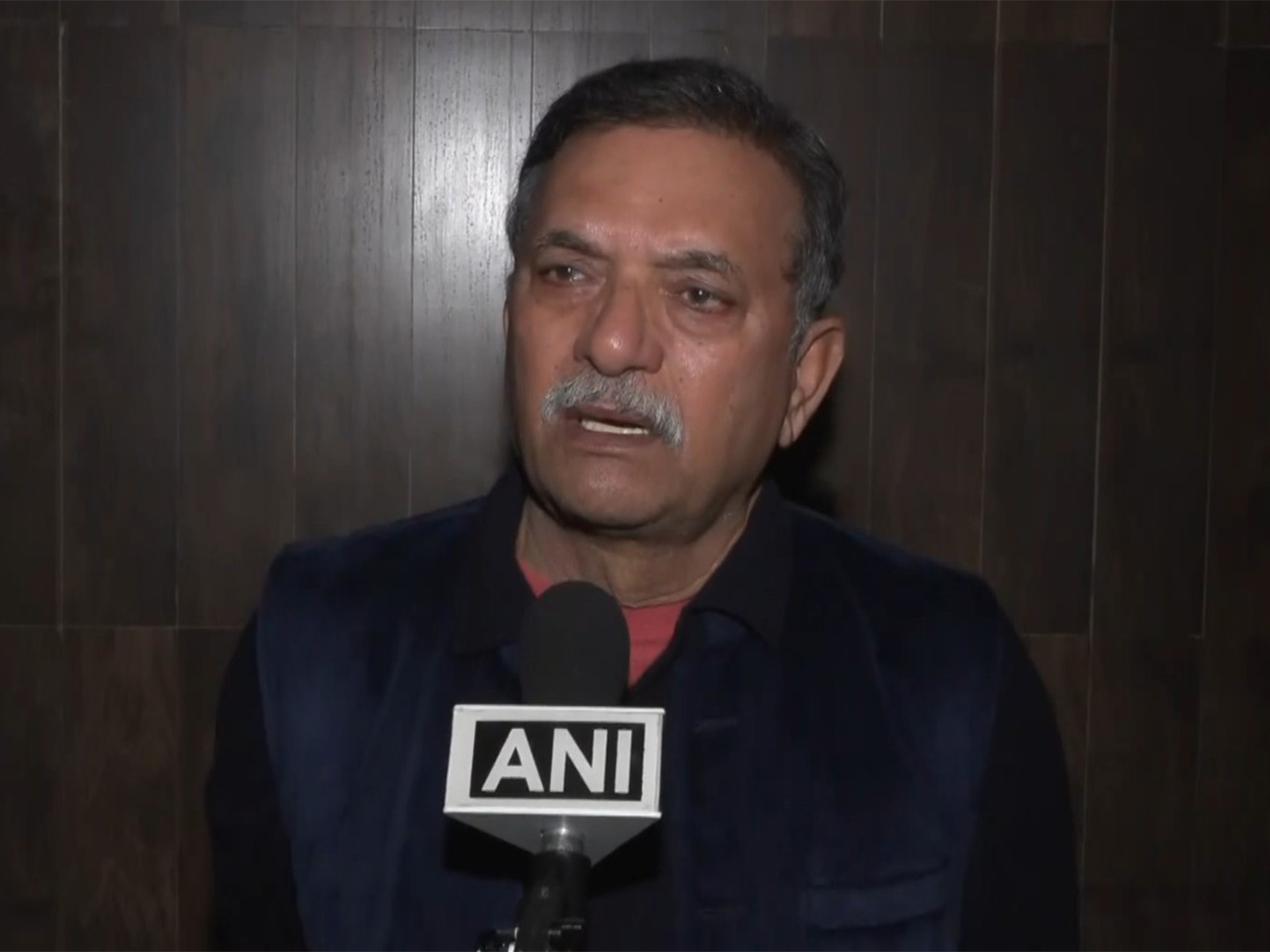
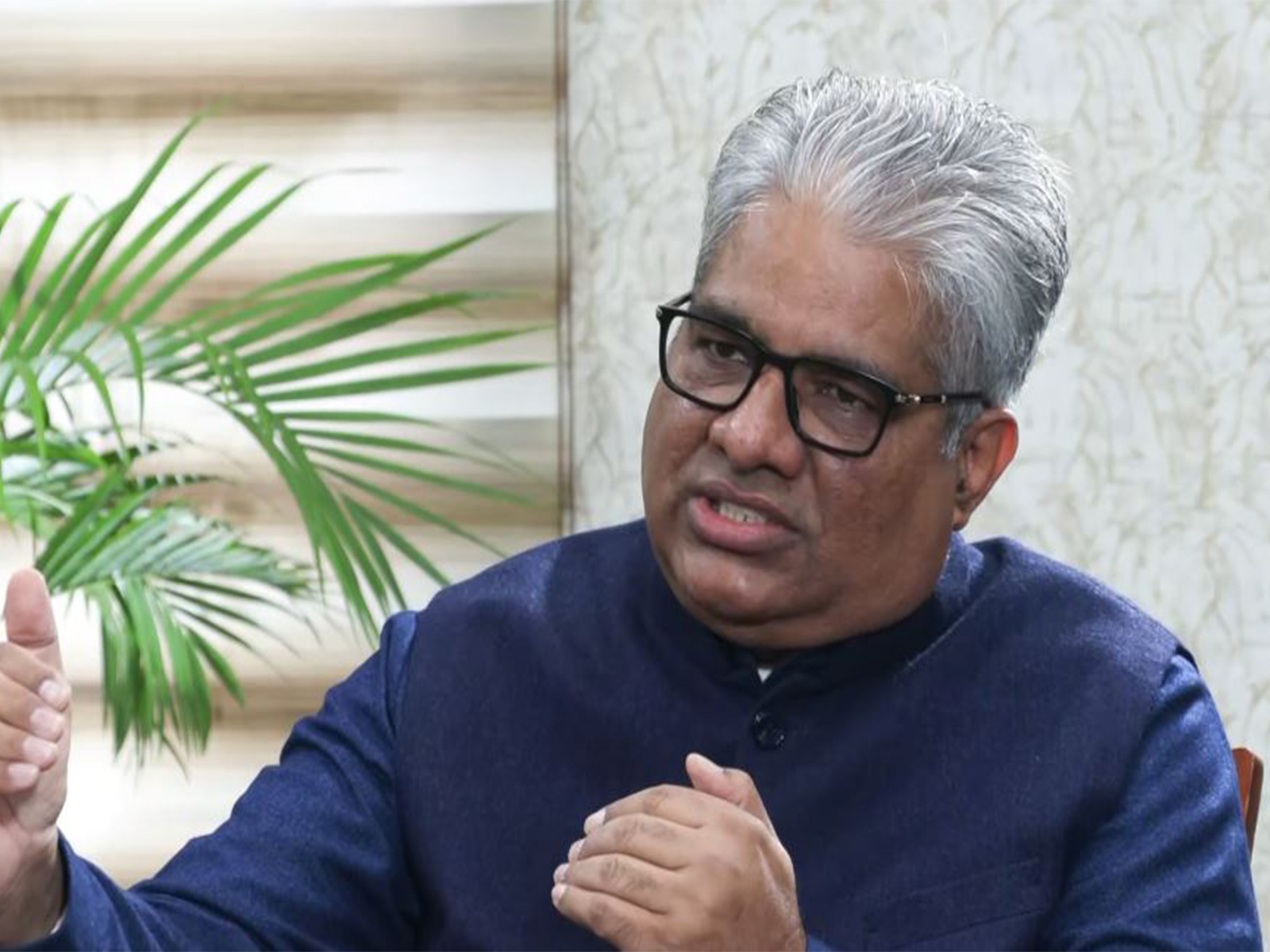
New Delhi [India], February 2 : The Union Budget 2026-2027, according to Union Minister for Environment, Forests, and Climate Change Bhupender Yadav, is a "youth-centric budget that advances a developed India by balancing economic growth with ecological sustainability."
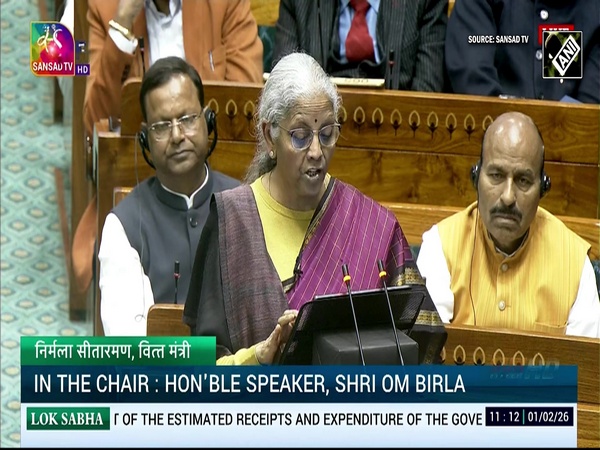
The budget for the fiscal year 2026-2027 was presented in Parliament on Sunday by Union Finance Minister Nirmala Sitharaman.
Bhupender Yadav highlighted that the budget lays a strong foundation for realising the vision of environmentally sound ecological growth in a fast-growing economy as per the Prime Minister's vision of Viksit Bharat by 2047.
The budget truly reflects the dreams and aspirations of every citizen of India towards a safe, secure and prosperous future. It charts a clear path toward empowering the poor, farmers, youth, women, the middle class, and entrepreneurs alike, making it a people's budget, he stated.
The Minister noted that the Budget also includes several important measures related to environmental protection, conservation, and the protection of global biodiversity and richness, through initiatives such as establishing the International Big Cat Alliance and organising the first-ever Global Big Cat Summit in India this year.
It includes several important measures related to the environment.
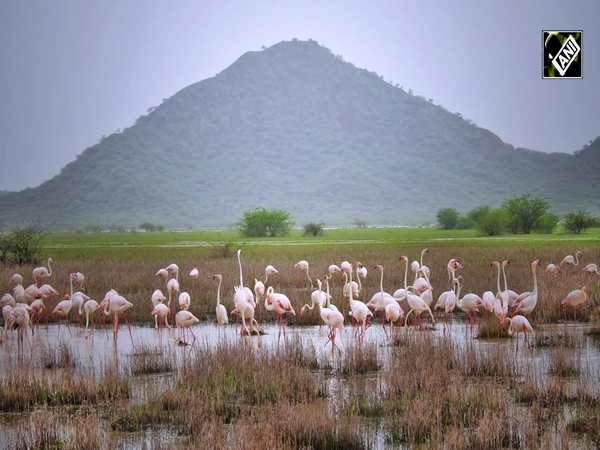
Special emphasis was laid on nature-based tourism, which would include special 'Turtle Trails' to be developed at turtle nesting sites in Odisha, Karnataka, and Kerala. New bird-watching trails will be established around Pulicat Lake, creating not only awareness amongst the citizens about the protection of nature and wildlife but also a sense of pride and ownership of the natural landscape and rich biodiversity, the Minister added.
Under the proposed Rare-Earth Corridors, Bhupender Yadav informed that dedicated corridors are planned in Odisha, Kerala, Andhra Pradesh, and Tamil Nadu to promote the sustainable mining and manufacturing of rare earth elements. This aims to reduce dependence on imports. Further, the government has announced a six-year mission to develop climate-resilient seeds for pulses (tur, urad, and masoor), which will enhance agricultural sustainability, he stated.
The budget also includes an initiative for the integrated development of 500 reservoirs to strengthen the fisheries value chain. Further, an Urban Challenge Fund of ₹1 lakh crore has been announced to provide financing for practical urban projects, including sustainable and climate-resilient infrastructure. To promote decarbonisation, a provision of ₹20,000 crore has been made over the next five years to encourage Carbon Capture, Utilisation, and Storage (CCUS) technologies, reflecting India's commitment towards fulfilment of the obligations under the Paris Agreement of reducing GHG emissions, he added.
The Environment Minister noted that the National Manufacturing Mission has been expanded to focus on developing a domestic ecosystem for EV batteries - a major step towards green mobility, solar PV cells, electrolysers, and wind turbines. Over the next five years, 20 new national waterways will be made operational, helping to reduce the carbon footprint of logistics - again, a major step towards eco-friendly transport, he stated.
All these steps, coupled with the measures taken in the past for striking a balance between 'Prakriti' and 'Pragati', would catapult India into the select group of Nations where development does not take place at the cost of environment and biodiversity but by promoting and protecting our rich biodiversity and ecology, Yadav noted.