Baloch Genocide Remembrance Day: BYC flags 'Multi-Dimensional Erasure' of Baloch identity
Jan 23, 2026
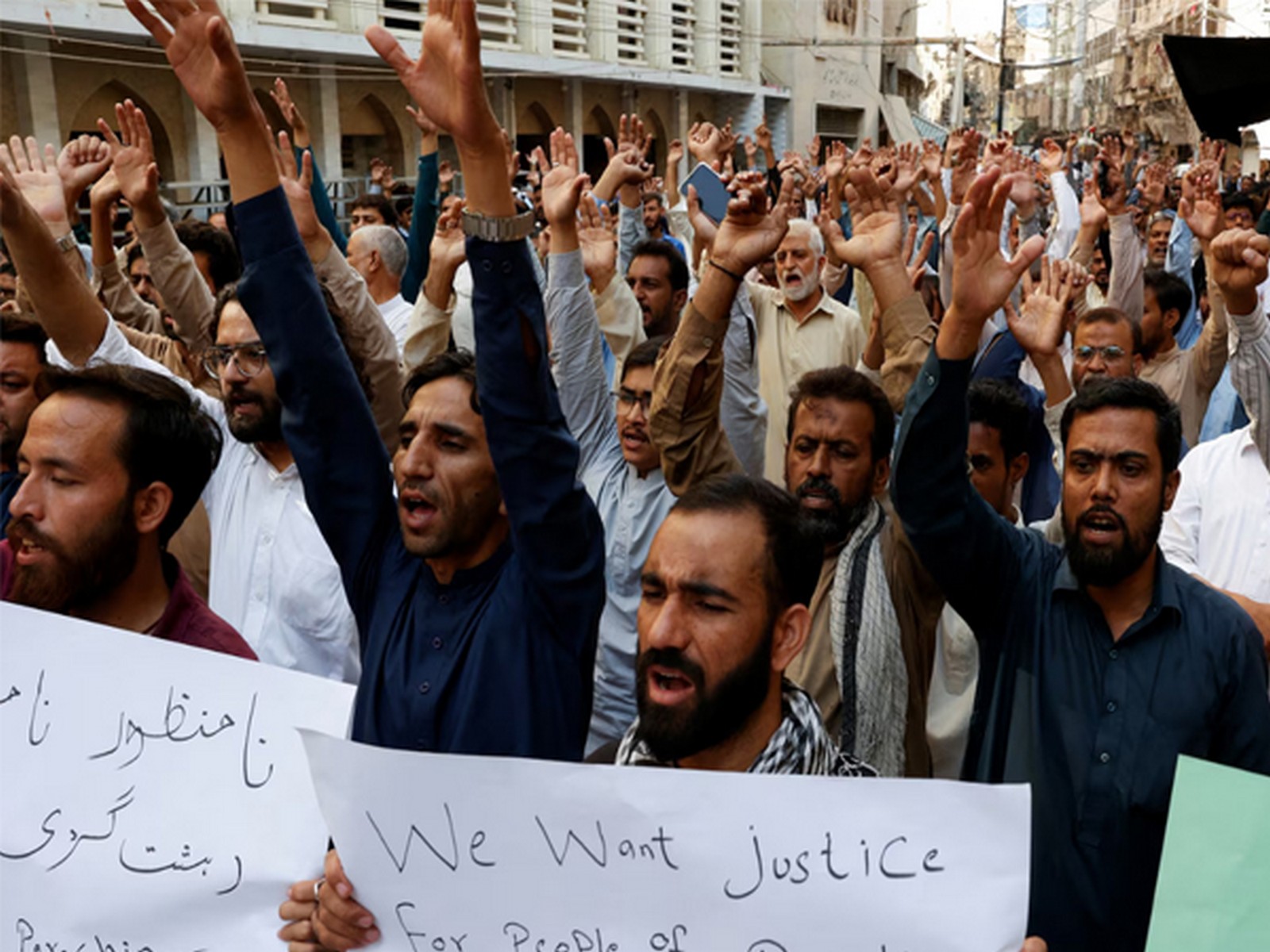
Balochistan [Pakistan], January 23 : The Baloch Yakjehti Committee (BYC) has alleged that the Baloch people are facing a systematic and multi-dimensional genocide that goes far beyond physical violence, marking 25 January as Baloch Genocide Remembrance Day.
In a post on X, BYC said genocide is not limited to killings or enforced disappearances but includes the deliberate erasure of culture, education, history, resources, and national identity. According to the organisation, the distortion and occupation of Baloch history and identity amount to a profound form of violence and cruelty.
The committee noted that the day serves as a reminder that the struggle is not only about those killed or forcibly disappeared, but about the comprehensive erasure of the Baloch people through various state-driven mechanisms. BYC said this pattern of oppression began with atrocities such as those in Tootak and continues to this day.
BYC further alleged that the detention and imprisonment of Baloch activists, including Mahrang Baloch, Bebo Baloch, Gulzadi Baloch, Bebagr Baloch, and Shahji Baloch, without evidence or legal justification, is a continuation of this erasure. The organisation claimed that these individuals are being targeted not for any crimes, but for their identity and for raising their voices.
The post also highlighted what BYC described as the exploitation of Balochistan's natural wealth, alleging that major resources such as Reko Diq, Saindak, and the port of Gwadar, along with Baloch land and sea, are under occupation. BYC claimed that the region's rare earth minerals are being traded away while the indigenous Baloch population remains marginalised.
Earlier, Sabiha Baloch, a central leader of the Baloch Yakjehti Committee (BYC), issued a strong appeal to Baloch communities and international civil society to observe Baloch Genocide Remembrance Day on January 25, accusing the Pakistani state of carrying out systematic repression and demographic destruction across Balochistan.
In a post shared on X, Baloch stated that daily life in Baloch regions reflects a deep humanitarian catastrophe that remains largely invisible to the outside world. She described how in Koh-e-Sulaiman, cancer-related deaths have become routine, while families are left without access to affordable healthcare, forcing them into debt and despair.