Bangladesh braces for 13th National Elections tomorrow as citizens remain hopeful with country poised for change
Feb 11, 2026
Dhaka [Bangladesh], February 11 : With the 13th National Parliament elections scheduled for tomorrow, February 12, the streets of Dhaka are buzzing with cautious optimism as citizens gear up to cast their votes amid a pivotal shift in the political landscape.
The elections come at a critical time in the country's history, almost two years after the former Prime Minister of Bangladesh, Sheikh Hasina, was ousted following a student-led movement in July 2024.
The 2024 July Uprising ended the Bangladesh Awami League's regime, which has now been barred from participating in the current election.
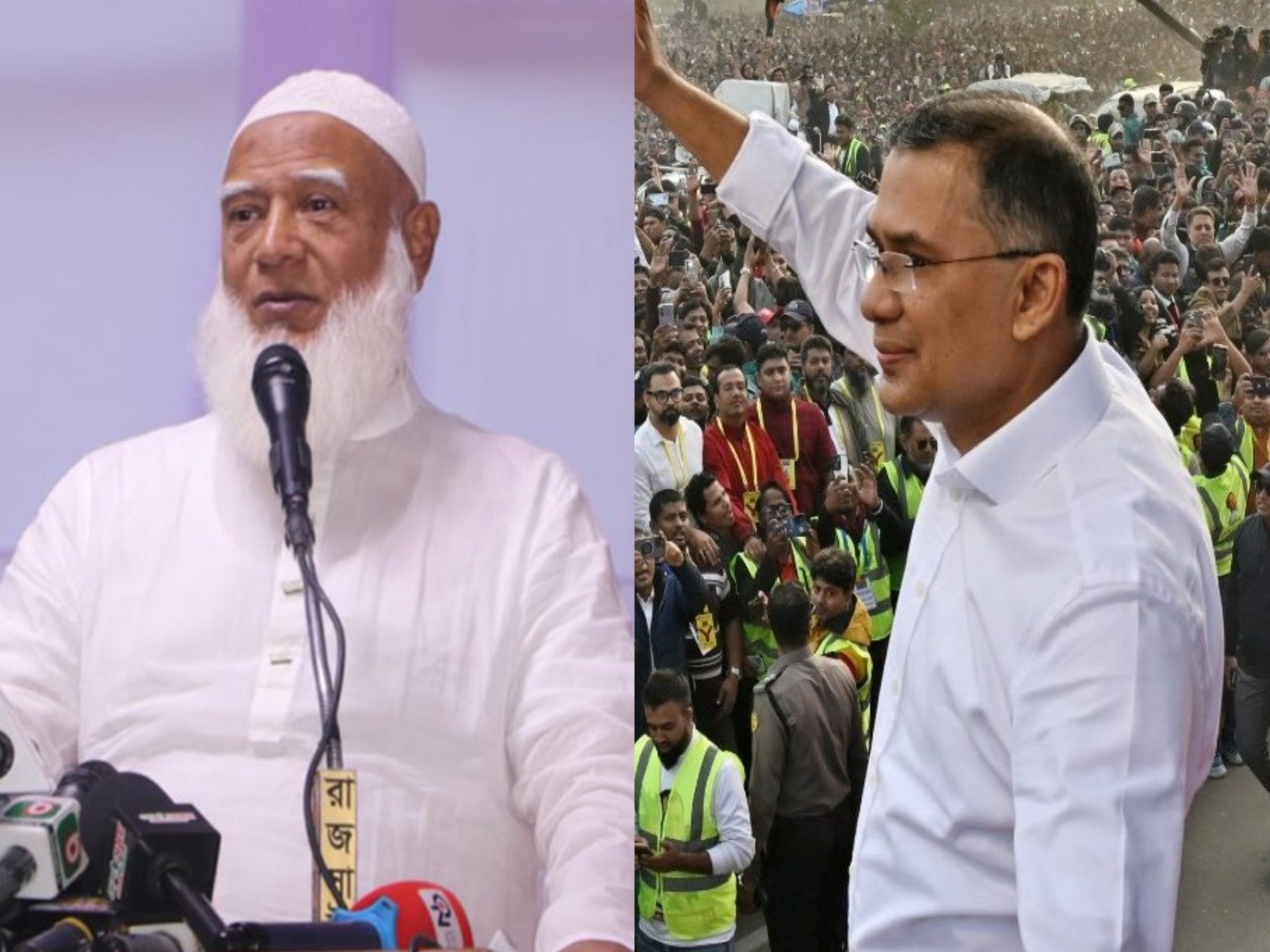
The Bangladesh Nationalist Party (BNP) and the Islamic conservative party, Bangladesh Jamaat-e-Islami, which is leading an alliance with the National Citizen Party (NCP), formed following the student-led uprising, along with other parties on a seat-sharing basis, are the main competitors in the elections.
For many young voters like Saimon Bin Masud, this election feels like a milestone.
Noting the political climate, Saimon said the younger generation was leaning toward the Jamaat, while older voters tend to favour the BNP, reflecting longstanding political loyalties.
"This is the 13th time we're facing elections, and after Sheikh Hasina's rule, we're finally free to express our feelings and opinions. We can openly vote for any member of Parliament. I can freely choose anyone I feel is right, and the election atmosphere is very friendly," he said.
"It's interesting to see how perspectives differ across generations," he added.
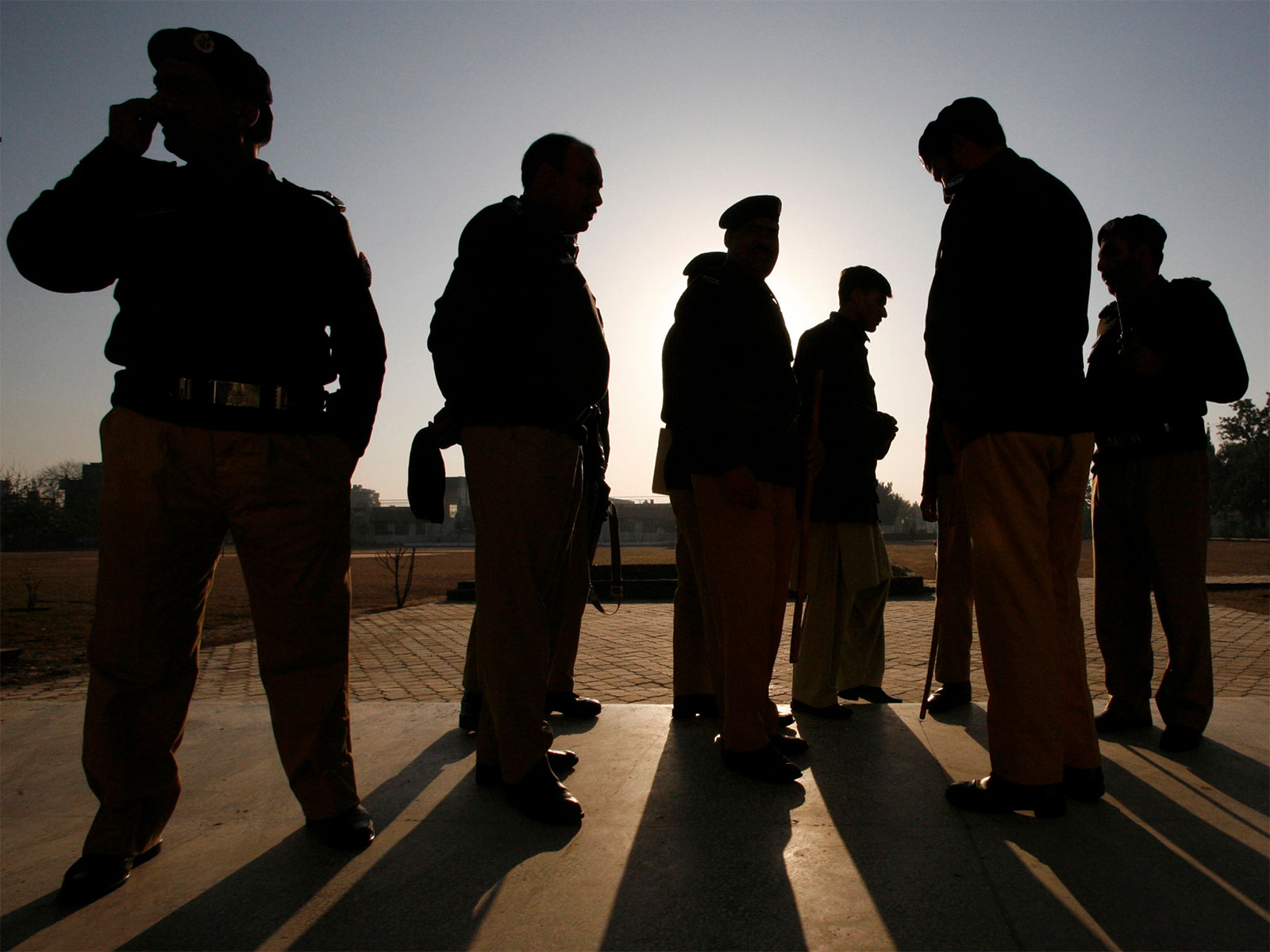
He stated that the presence of the Bangladeshi Army, Border Guard Bangladesh (BGB), and police patrolling the city adds a sense of safety and security ahead of the elections.
Security has been strengthened nationwide, with relevant election officials making the necessary arrangements.
Authorities confirmed that all procedural and logistical requirements have been met to ensure the smooth conduct of voting.
Dhaka Divisional Commissioner and Returning Officer Sharf Uddin Ahmed Choudhury expressed confidence that all preparations have been taken to facilitate a peaceful, free, and fair election.
Officials have also instructed polling staff to perform their duties with neutrality and professionalism, while urging voters to participate in the electoral process in an orderly manner.
According to the Dhaka Tribune, approximately 1,400 polling stations across 13 Dhaka constituencies have been designated as high-risk for the upcoming polls.
Meanwhile, voters like Arafat Islam see this election as a chance for real change.
He stated that elections hold a "lot of hope" and call for the fulfilment of the needs of the common people for the winning party or coalition.
"There is a lot of hope. We definitely want change. We want something different now. We want a big change. Hopefully, whoever comes to power will fulfil the expectations of the common people," he said.
Following an intense 20-day official campaign period that concluded on February 10, authorities have now fully shifted to polling mode, with attention centred on voting-day logistics and security management.
Over 12.77 crore eligible voters will elect representatives for 299 of the 300 parliamentary seats, with one seat postponed following a candidate's death.
Alongside the parliamentary contest, voters will also participate in a concurrent national referendum on the July National Charter, a key document proposing major constitutional and institutional changes that could shape future governance.
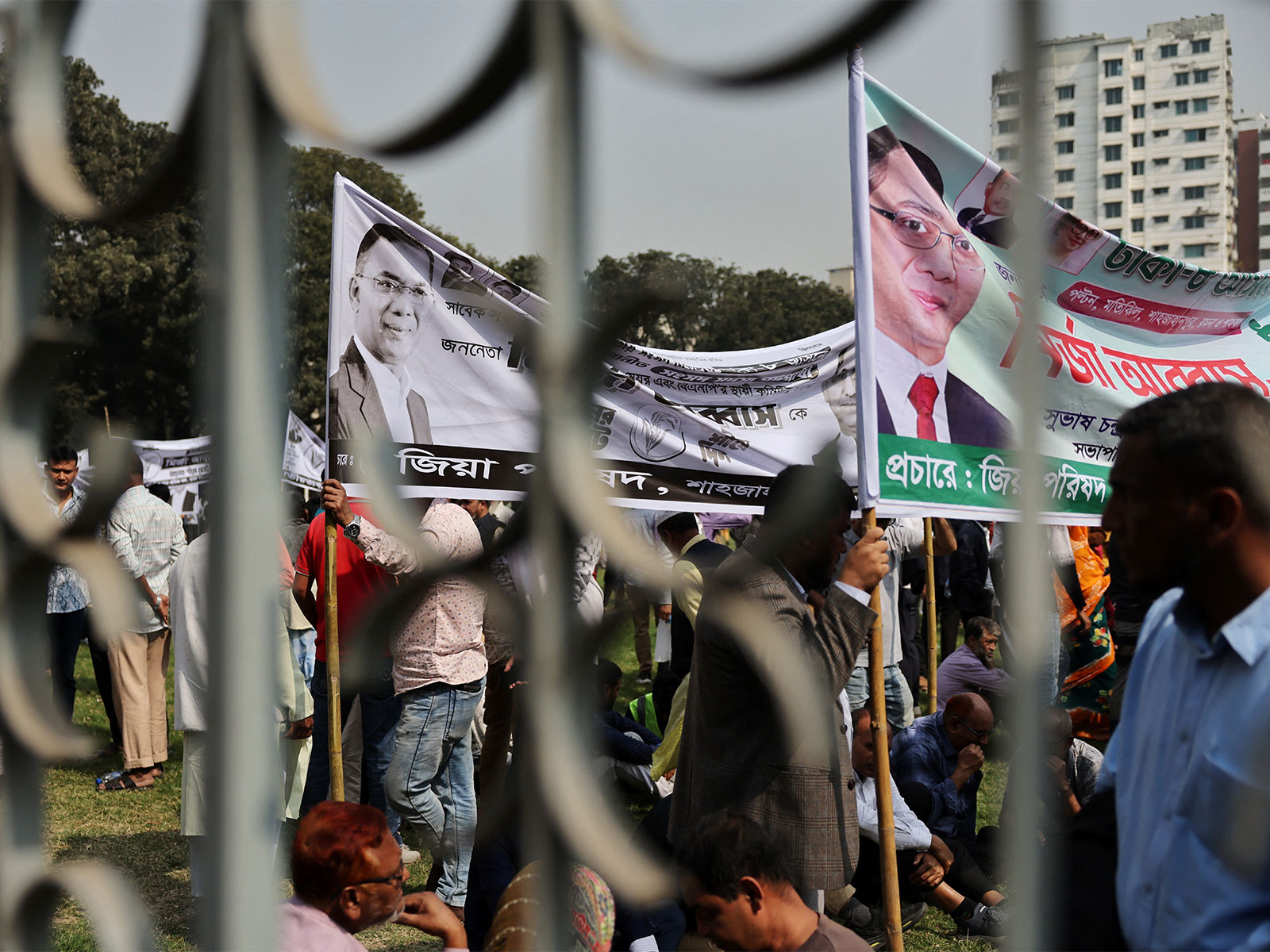
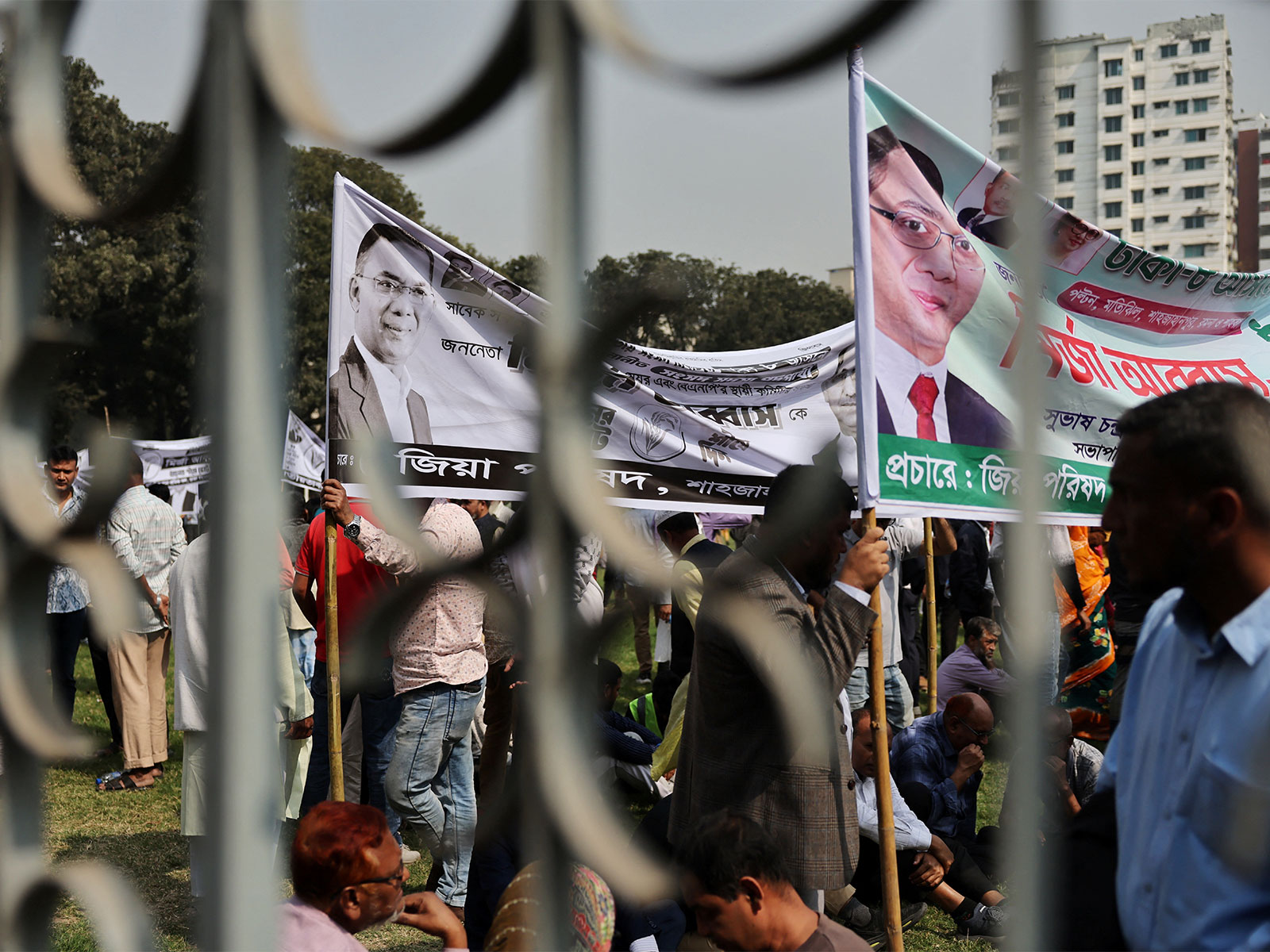
Dhaka's streets now have a distinctly monochromatic appearance, as the campaign period featured only black-and-white posters, in adherence to Election Commission guidelines.
Candidates use ropes to hang posters rather than affixing them directly to walls, which is prohibited under election law.
According to the Chief Adviser's Press Wing, a total of 394 international election observers and 197 foreign journalists have arrived in the country to observe the 13th general election.
A total of 240 observers are from bilateral countries, including independent European observers. Another 51 are individuals affiliated with different global institutions.
In a televised national address, Chief Adviser Prof Muhammad Yunus urged citizens to make election day the "birthday of a new Bangladesh", stressing that their participation would shape the nation's future, The Daily Star reported.
A total of 42,779 polling stations have been established nationwide, with voting scheduled from 7:30 am to 4:30 pm (local time) without interruption.
The electorate comprises 6.48 crore men and 6.28 crore women. A total of 1,755 candidates from 50 registered political parties are in the fray, along with 273 independents, including 20 women. Additionally, 63 women are contesting on party tickets. The results are expected to be confirmed on Friday, February 13.
Meanwhile, more than half a million Bangladeshi expatriates have exercised their franchise through postal ballots ahead of the national polls and referendum, the Dhaka Tribune reported, marking the first time overseas voters have formally taken part in a national election.
Citing data from the Bangladesh Election Commission, the report said that as of Wednesday morning, 515,619 expatriates had successfully cast their votes using the IT-enabled postal voting system.
As Bangladesh prepares to head to the polls tomorrow, the atmosphere across the country is a mix of anticipation, hope, and vigilance.
With tightened security, millions of citizens are ready to cast their votes asd the 13th National Parliament elections, along with the national referendum, which marks a defining moment in the nation's political journey.