Bangladesh's political shift raises alarm over minority safety, regional stability
Dec 19, 2025
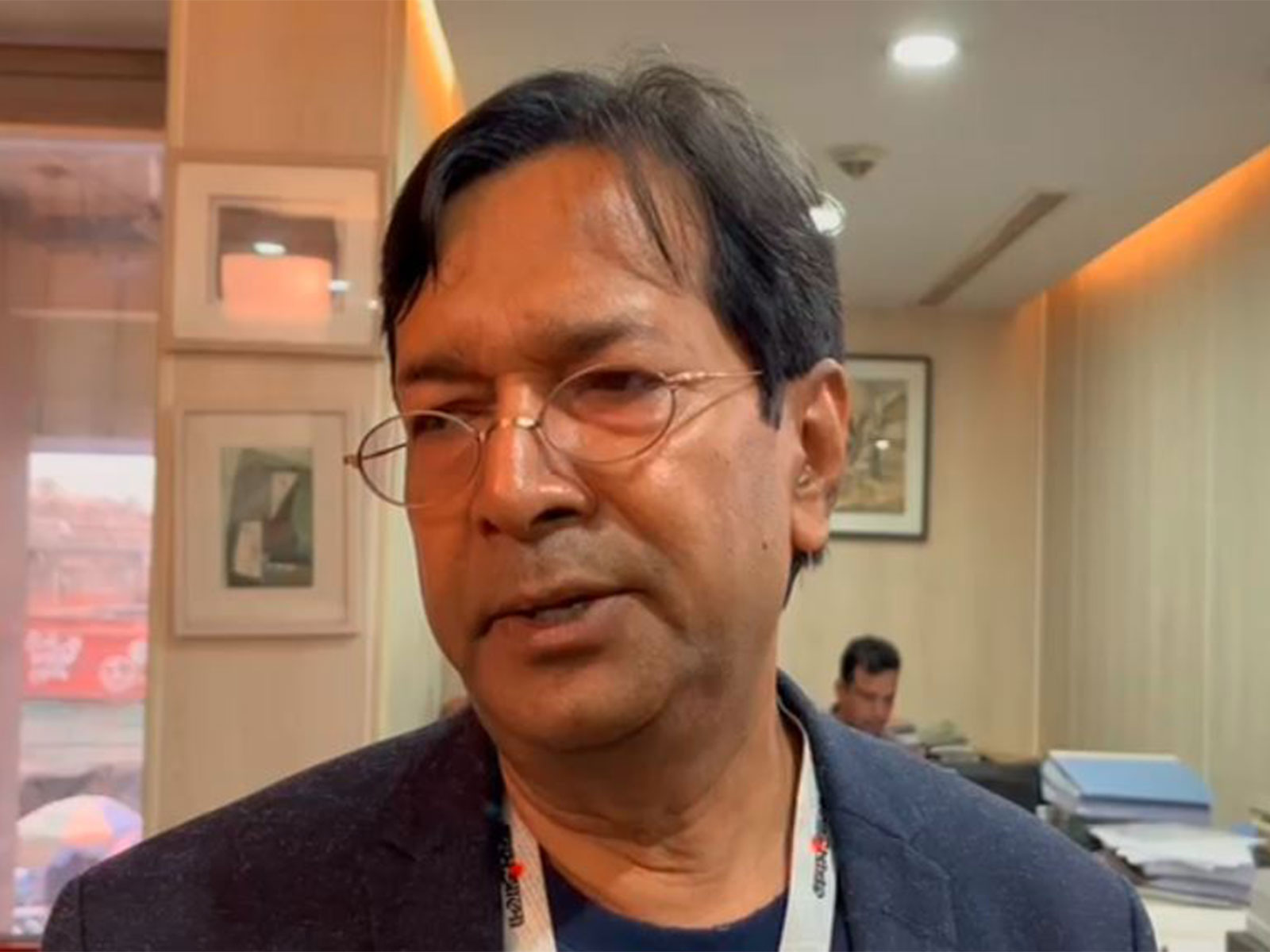
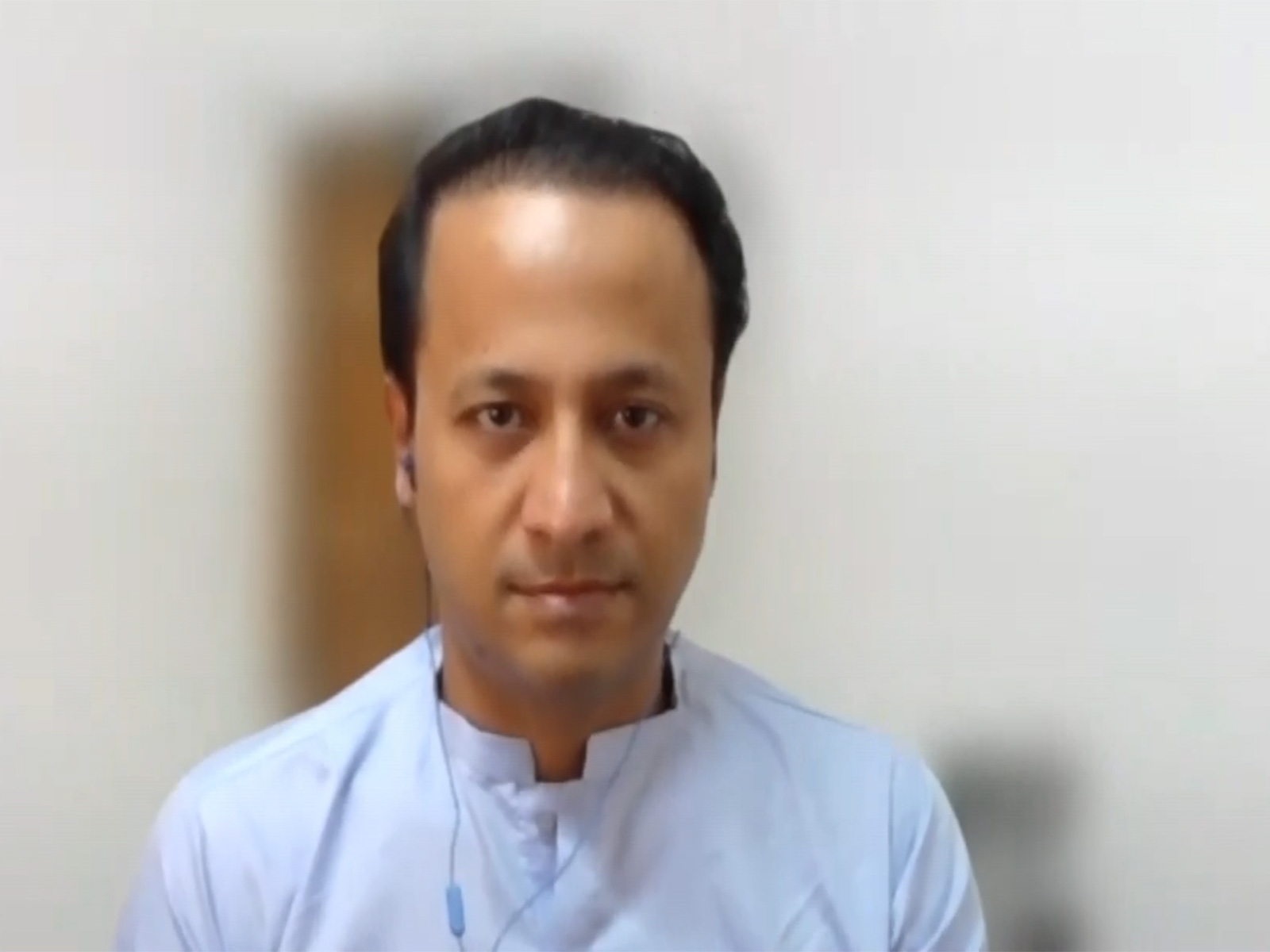
Dhaka [Bangladesh], December 19 : A recent statement by Hasnat Abdullah, a leader and Southern Chief Organiser of Bangladesh's newly formed National Citizen Party (NCP), warning that India's northeastern "Seven Sisters" could be isolated if Bangladesh were "destabilised", has triggered concern among regional observers, according to the report by the Times of Israel.
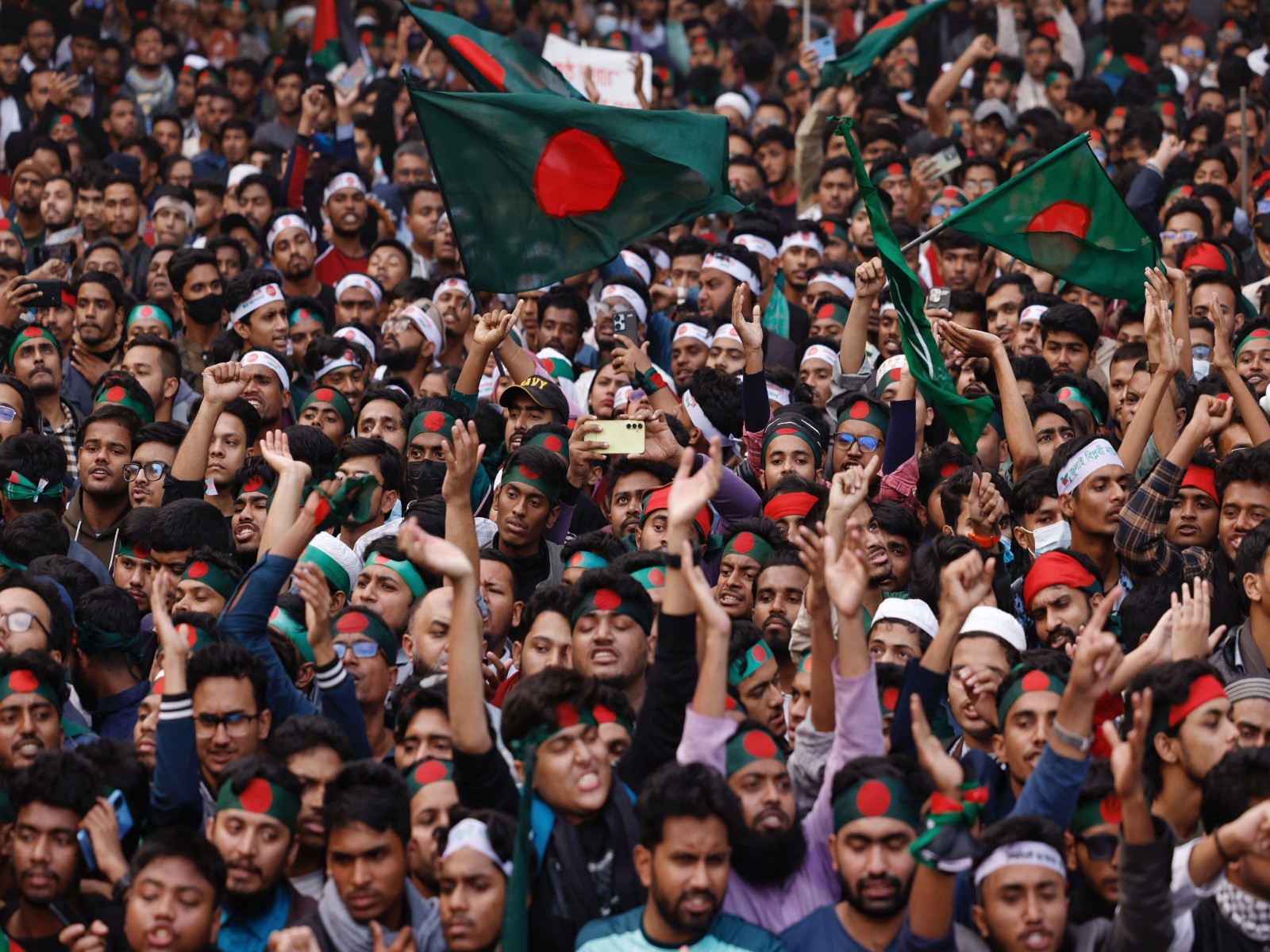
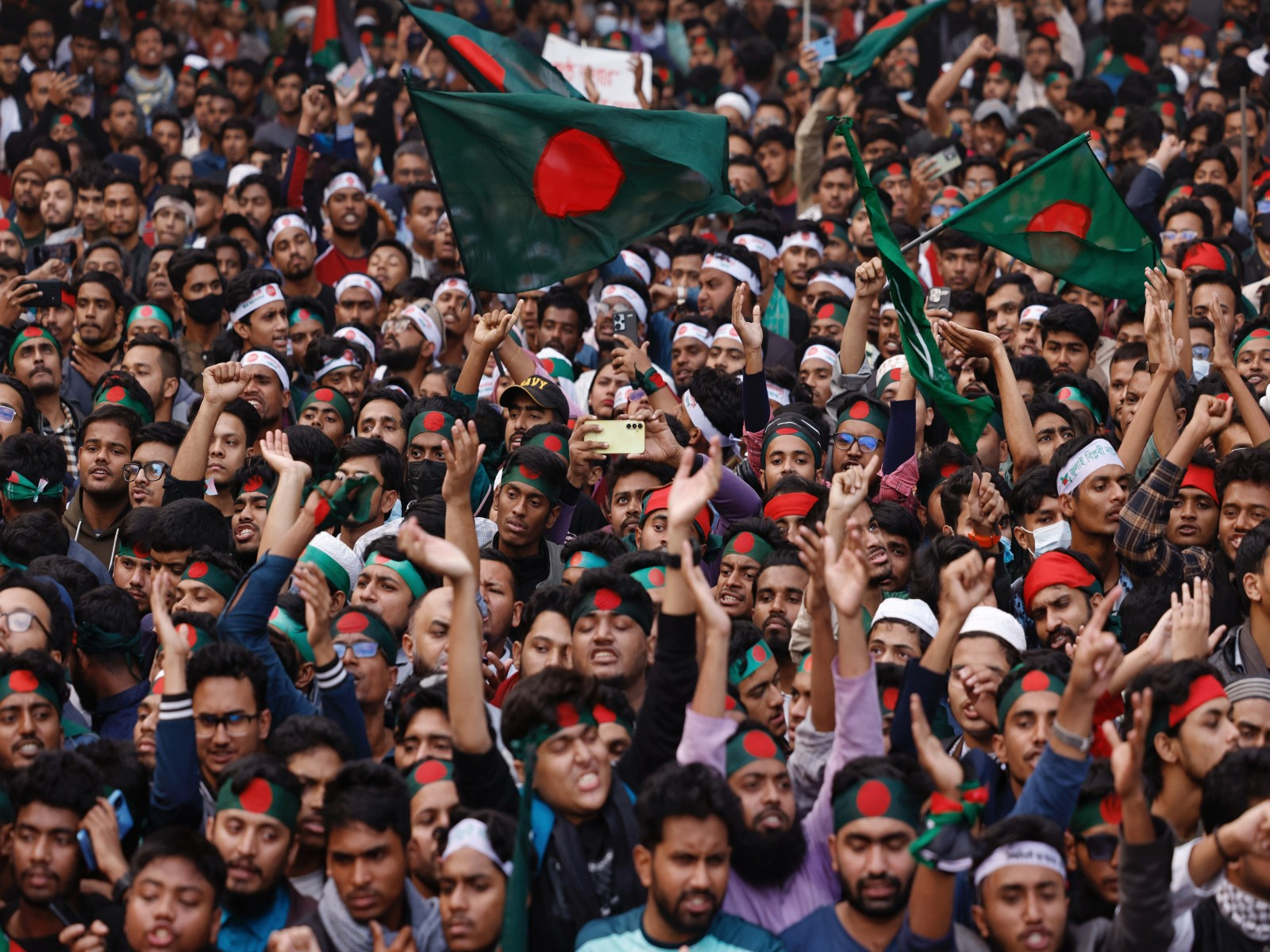
Analysts say the remarks reflect a deeper shift in Bangladesh's political and social landscape following last year's political transition. Since the ouster of former Prime Minister Sheikh Hasina in August 2024 and the subsequent assumption of authority by Muhammad Yunus, Bangladesh has witnessed increasingly hardline rhetoric, a resurgence of Islamist networks, and a marked rise in violence against religious minorities.
Political transitions often create power vacuums, and analysts note that Bangladesh's post-2024 environment has seen such a vacuum filled by forces drawing on grievance-driven and identity-based politics. The emergence of the NCP and the growing prominence of figures such as Hasnat Abdullah indicate a recalibration of political messaging that increasingly attributes domestic instability to external actors, particularly India.
This narrative, experts say, has resonated with radical groups historically opposed to secular governance and regional cooperation, allowing them to advance their agendas under the cover of nationalist discourse, as reported by Times of Israel.
According to analysts at the Institute for Conflict Management (ICM), writing in the South Asia Intelligence Review (SAIR), Islamist actors previously constrained under earlier governments have become more emboldened since 2024. SAIR researcher Sanchita Bhattacharya observed that weakened deterrence mechanisms and political signalling perceived as prioritising appeasement over accountability have created what she described as "an enabling ecosystem" for radical mobilisation.
Anti-India rhetoric, once largely confined to fringe organisations, has increasingly entered mainstream political discourse, blurring distinctions between nationalist assertion and strategic risk-taking. The consequences of this shift are most evident in the sustained targeting of religious minorities. Between January and December 2025, multiple killings and violent incidents highlighted the vulnerability of minority communities, particularly Hindus, TOI reported.
On December 7, police recovered the bodies of freedom fighter Yogesh Chandra Roy and his wife, Subarna Roy, from their residence in Rangpur district. Both had suffered head injuries. Days earlier, Hindu fish trader Utpal Sarkar was murdered in Faridapur, while jeweller Prantosh Karmakar was shot dead in Narsingdi on December 2. These incidents followed earlier killings of Hindu businessmen, activists, and journalists in districts including Sylhet, Natore, Habiganj, and Munshiganj.
Violence has not been limited to Hindu communities. Churches in Dhaka were targeted with crude bombs in October and November 2025, Buddhist temples were robbed, and sectarian violence against minority Muslim groups also increased. Partial data compiled by the Institute for Conflict Management records at least 34 instances of minority persecution since August 2024, including cases of arrest, lynching, abduction, land seizures, and the desecration of places of worship across nearly every region of Bangladesh, the Times of Israel report stated.
Independent assessments underscore the scale of the crisis. The United States Commission on International Religious Freedom (USCIRF) stated in its 2025 annual report that hundreds of Hindus were reportedly killed in violence following Sheikh Hasina's removal from office.
Meanwhile, the Bangladesh Hindu Buddhist Christian Unity Council documented 2,442 incidents of violence against minorities between August 2024 and June 2025, including 27 murders in the first half of 2025 alone. These figures stand in contrast to official assurances that law and order remain under control.
Beyond physical attacks, symbolic developments have raised concerns about the erosion of Bangladesh's pluralist cultural legacy. The demolition of filmmaker Satyajit Ray's ancestral home in Mymensingh and vandalism at Rabindranath Tagore's Rabindra Kacharibari were widely criticised as assaults on icons central to Bengali cultural identity, as noted by the Times of Israel report.
Islamist organisations have simultaneously grown more assertive. Hefazat-e-Islam has led campaigns opposing currency notes depicting Hindu and Buddhist heritage sites, while Jamaat-e-Islami organised street protests over alleged blasphemy involving Hindu individuals. Observers note that such movements appear increasingly confident, thereby testing the state's willingness to enforce constitutional protections, as reported by the Times of Israel.
For India, the challenge lies in responding without reinforcing narratives of external threat promoted by hardliners. For Bangladesh, the stakes are even higher. Continued minority persecution, weakening of pluralist traditions, and tolerance of extremist mobilisation risk undermining the social fabric rebuilt since the country's independence in 1971.
Observers say Bangladesh now faces a defining choice: to reaffirm its constitutional commitment to secularism and regional cooperation, or to allow radical forces to shape further its political trajectory, a decision that will have lasting implications for both domestic stability and South Asia's fragile strategic balance, according to a Times of Israel report.