Bengal can emerge as investment hub through tech, semiconductor design: MoS Jitin Prasada
Sep 29, 2026
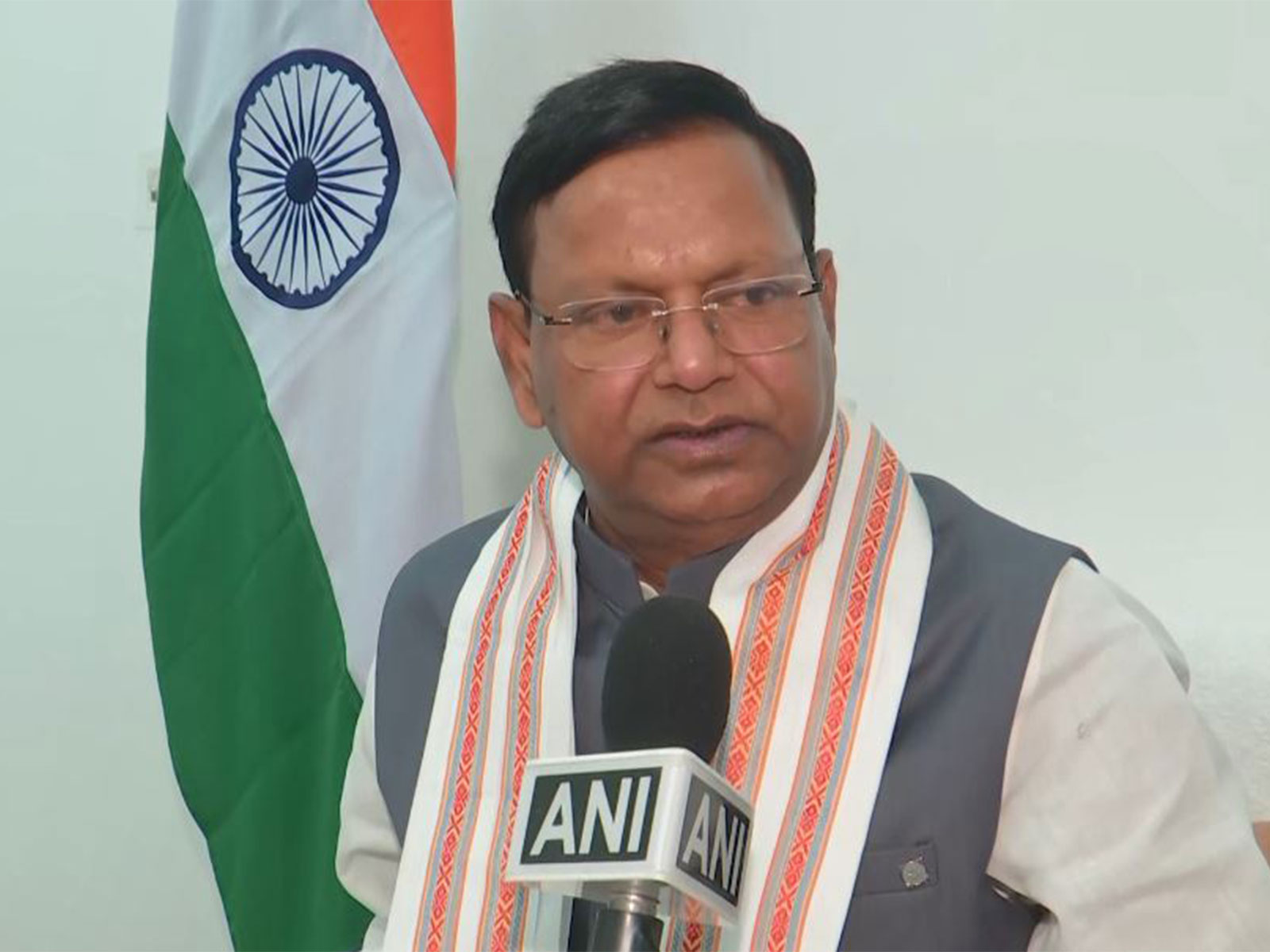
Kolkata (West Bengal) [India], September 29 : Union Minister of State for Commerce and Industry Jitin Prasada Bengal stated that Bengal holds immense potential to attract fresh capital, particularly in emerging technological domains such as artificial intelligence, data centers, and semiconductors.
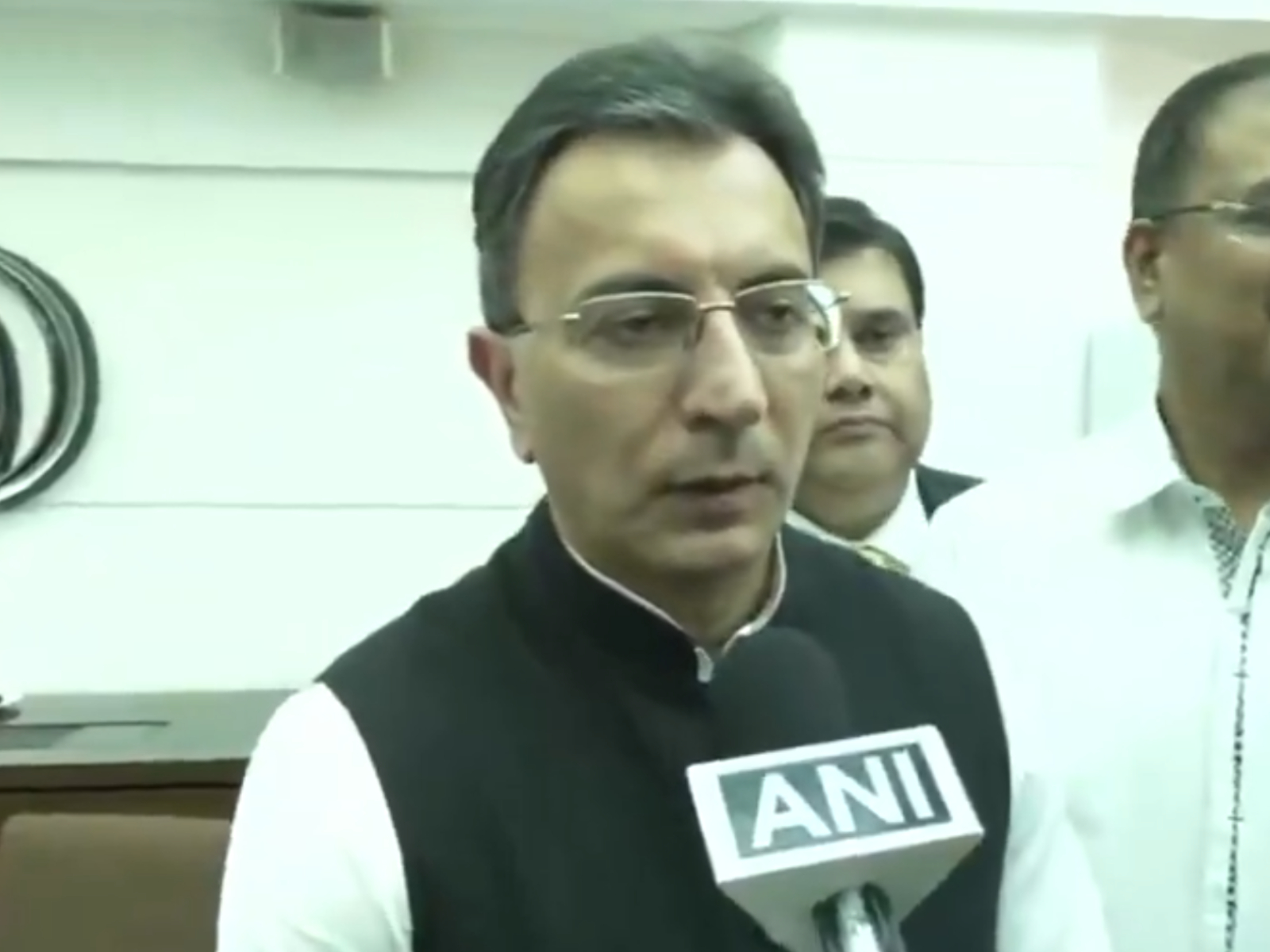
Speaking to ANI on the sidelines of the 195th Annual General Meeting of the Calcutta Chamber of Commerce, Prasada noted that the state can become a hub for investment, pointing out that this transformation can take place through partnering with different stakeholders across sectors.
“With our startups, AI innovators, researchers, and various upcoming possibilities in the semiconductor ecosystem and large projects for data centers, it can become a hub for investment in this part of India; just like Bangalore, Noida, Hyderabad, and many other places. So, we will make an effort in Bengal as well to encourage the youth here so that technology investment comes in and they get opportunities to move forward,” he told ANI.
Earlier during his address at the event, the minister highlighted the scope for regional industrial expansion, noting that the political horizon has shifted, offering a fresh opening for Bengal to reclaim lost ground.
“Now this is the time for Bengal because the political horizon has changed. And like we say the double engine is working. You have, I can tell you, there are certain things in the air which you can make out because this land has got talent. This land has got people wanting to do something big and move ahead,” Prasada said.
Addressing the national push toward electronics manufacturing, the minister observed that India has established itself within the semiconductor value chain in a short span. He stressed that Bengal's specific edge lies in designing electronic components and microchips rather than mere fabrication.
“Bengal will have capability because of the talent and the character of what Bengal is. They have a flair for culture and design, and so the design of electronic components and this chip is very significant. People don't know that some of the biggest companies are design companies and that everybody doesn't have to manufacture. So even Nvidia which everybody talks about for that chip is only designing. The chip is being manufactured in Taiwan. So, I can tell you that's where a big opportunity lies,” he added.
Turning to data infrastructure, the minister remarked that the segment does not require continuous government incentives or production-linked assistance because the required foundational assets already exist locally.
“Data centres should roll out a policy and not incentivizing them. Everything can't be incentives. It can't be that we have given incentives or PLI or something else. You have to stand on your own, and anyone who's into data centers, they don't need this kind of help. You have the water, you have the land, you have the talent, you have the manpower, you have the skilled workforce,” Prasada said.
Underlining the necessity of practical outcomes in artificial intelligence adoption, the minister stated that AI must translate into tangible gains for agriculture, students, and small enterprises rather than remaining limited to basic internet searches.
“We have to ensure that we measure the impact. We have to ensure focus on MSMEs; how, through the use of AI, they have reduced their cost of production from 1% to 5%. If they can do that using AI, then AI has been successful. The thing that they made for Rs 100, if that is made for Rs 80 with AI, then the small producer is making a profit. That is it. So we don't have to focus on things and see how the impact is. That's the way to move ahead rather than talking about a lot of technology, a lot of things and getting nothing in return,” Prasada said.