Bhupender Yadav inaugurates national workshop on Tiger re-introduction; annual report of Project Cheetah
Jun 28, 2026
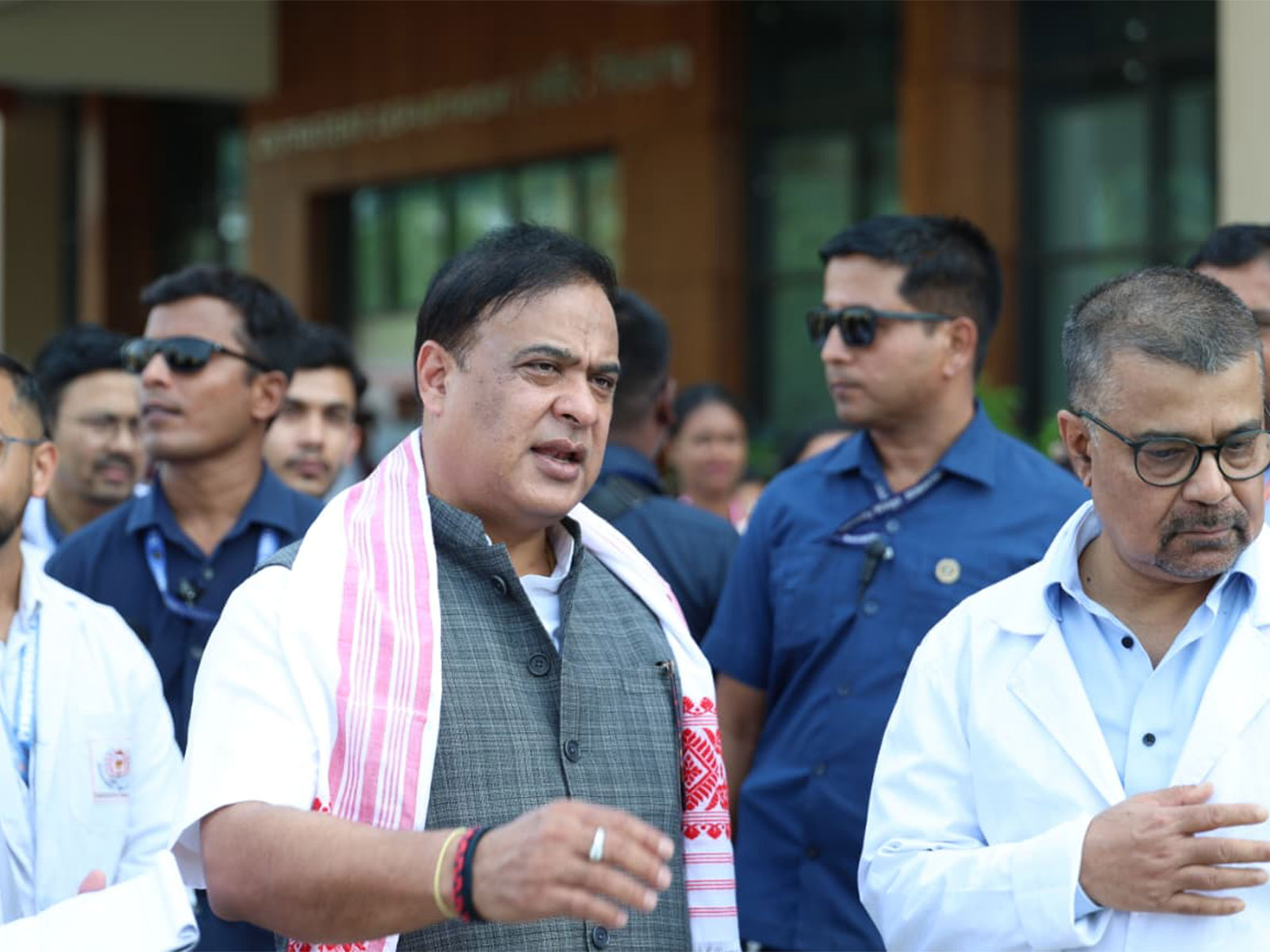
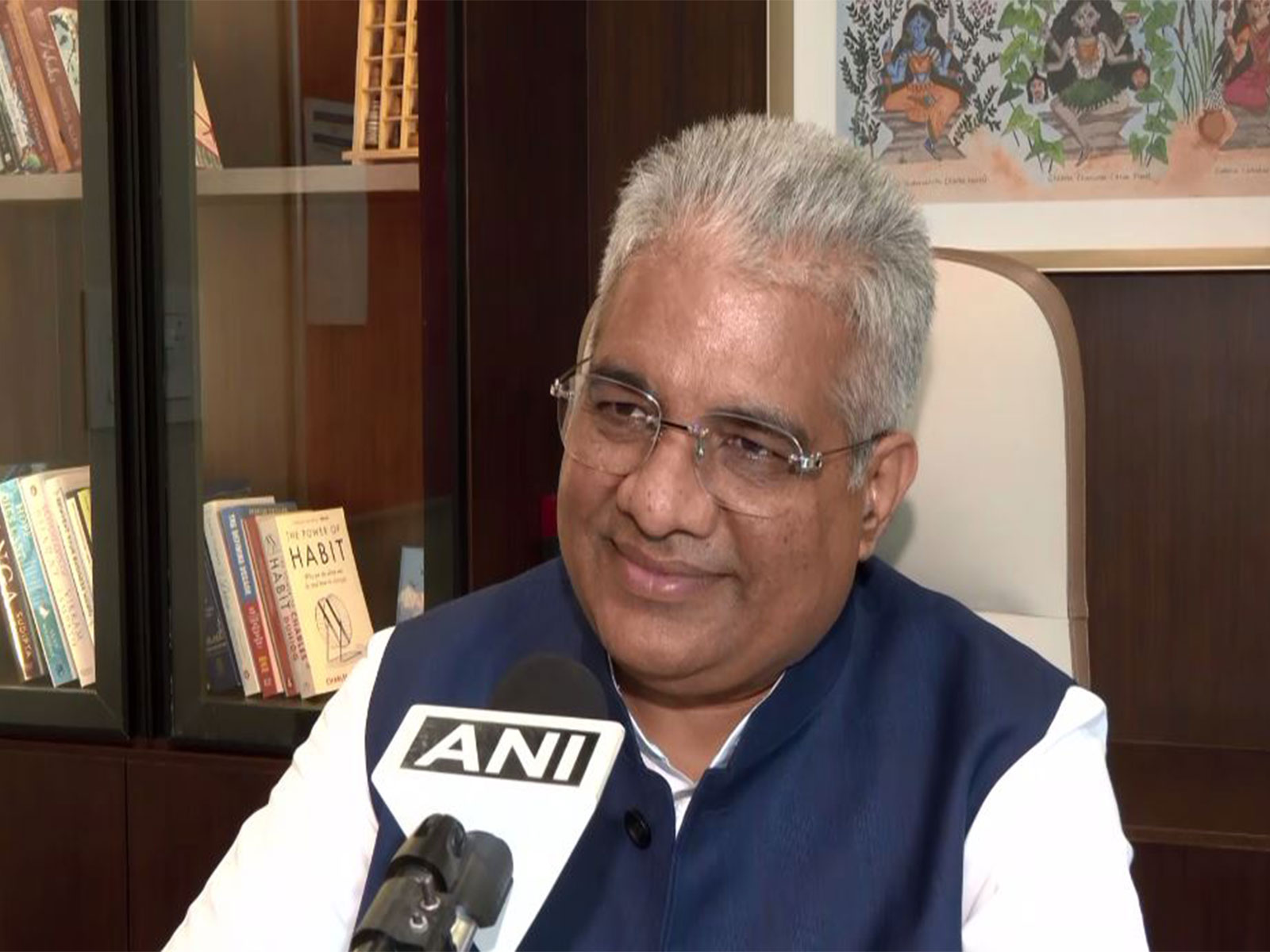
Alwar (Rajasthan) [India], June 28 : Union Environment Minister Bhupender Yadav Bhupender Yadav on Sunday inaugurated the National Workshop on 'Tiger Re-introduction: Opportunities and Challenges' at Alwar, Rajasthan, and released three publications on tiger conservation and Project Cheetah.
Organised by the National Tiger Conservation Authority (NTCA), Ministry of Environment, Forest and Climate Change, in collaboration with the Rajasthan government, the workshop brought together field directors, Chief Wildlife Wardens and wildlife experts from across India's tiger landscapes to deliberate on science-based strategies for tiger re-introduction and active management, said the ministry of environment, forest and climate change.
"This two-day technical consultation has been organised specifically to facilitate knowledge sharing and capacity building regarding all these aspects, including the participation of local communities, the status of prey bases and hunting grounds within the forest, the conditions involved, and the scientific approaches required for translocation," Yadav said.
Addressing the workshop, organised to mark 18 years of tiger re-introduction in the Sariska Tiger Reserve, Yadav Minister said tiger conservation is not merely about protecting a single species, but about conserving forests, watersheds and the rich biodiversity that shares the tiger's habitat.
Describing the Sariska tiger reintroduction programme as a historic milestone in wildlife conservation, Yadav said it represents the world's first successful scientific reintroduction of tigers into a landscape where the species had become locally extinct. He said the programme has emerged as a global example of successful species restoration through scientific management, dedicated conservation efforts and community participation.
He said that Sariska has witnessed remarkable recovery from a situation of local extinction in 2005 to supporting 56 tigers today. He said that Sariska today serves as a global example of successful species restoration and offers valuable lessons for future conservation initiatives.
Highlighting the country's achievements in tiger conservation, Yadav said the number of tiger reserves has increased from 46 to 58 over the past decade. He also noted that India has successfully achieved the St. Petersburg Declaration target of doubling its wild tiger population by 2022, the release said.
He further added that the successful reintroduction of tigers in Panna and Sariska was possible because of the support and participation of local communities. He noted that similar success could not be achieved in Satkosia Tiger Reserve, Odisha, due to the lack of community support, the release said.
Yadav said that the success of Project Cheetah has also been driven in large measure by the active participation of local communities.
The minister stressed that while efforts are made to attract tourists from across the country and abroad, equal importance should be given to the welfare and interests of local communities.
Yadav also said that in landscapes where the distribution of tigers and elephants overlaps, emphasis should be placed on maintaining and strengthening landscape connectivity.
Yadav said the workshop should analyse potential source and sink areas and deliberate on factors that have contributed to successful tiger reintroduction programmes. He added that the workshop would also focus on the scientific management of tiger reintroduction.
Emphasising the need for balanced conservation, Yadav said, "Our priority is to ensure that our tigers are protected, our forests remain green and healthy, and local communities continue to prosper."
The minister said the government's objective is not only to protect tigers but also to ensure that no species becomes extinct and that sustained efforts should be made for the recovery and re-establishment of threatened species. He said that as guardians of nature, conservation efforts must be guided by both a scientific approach and human values.
On the occasion, Yadav released three important publications: Road Map on Active Management of Tigers in India, Booklet on Reintroduction and Recovery of Tigers in India, and the Annual Report of Project Cheetah (September 2024-December 2025).
Those present on the dais included Rajasthan Forest Minister Sanjay Sharma; Director General, International Big Cat Alliance (IBCA), S.P. Yadav; Director General of Forests and Special Secretary, MoEFCC, Sushil Kumar Awasthi and NTCA Member Secretary Sanjay Kumar.
In his address, S.P. Yadav said that tiger reintroduction and translocation are powerful tools of restoring ecological balance. He said the successful reintroduction of tigers in Sariska inspired hope across the world and demonstrated that restoring tiger populations in suitable habitats is achievable through scientific conservation efforts.
Awasthi said that Sariska, where tigers had become locally extinct, now has the potential to serve as a source population for tiger reintroduction in other suitable habitats.
The NTCA member secretary said that the successful reintroduction of tigers in Sariska was a major milestone in Project Tiger and played a huge role in the programme's success.
The Road Map on Active Management of Tigers in India provides a framework for managing tiger populations across tiger reserves and landscapes by identifying potential source and sink areas and management actions based on ecological conditions. The Booklet on Reintroduction and Recovery of Tigers in India documents India's experience in restoring tiger populations through planned reintroduction and supplementation programmes, including lessons from Sariska and Panna Tiger Reserves. The Annual Report of Project Cheetah presents the progress made under India's cheetah reintroduction programme, including cheetah translocations, habitat management, veterinary interventions, community engagement and future priorities.
The workshop included technical sessions on habitat restoration, prey augmentation, wildlife translocation, landscape connectivity, monitoring protocols and active management strategies. Participants shared experiences from tiger reintroduction programmes in Sariska, Panna and other tiger reserves, while tiger-deficient reserves presented preparedness and future recovery strategies.
The workshop also included a dedicated session on Project Cheetah and another on the role of prey augmentation through the translocation of species such as gaur and barasingha in supporting ecosystem restoration and tiger recovery.
The deliberations and recommendations emerging from the workshop are expected to guide future conservation planning for tiger-deficient landscapes through science-based tiger reintroduction, supplementation, prey-based augmentation, habitat restoration and active management, while strengthening collaboration among the National Tiger Conservation Authority, State Forest Departments and scientific institutions.