"Big boost to Ease of Living, Ease of Doing Business": PM Narendra Modi on Jan Vishwas Bill
Apr 02, 2026
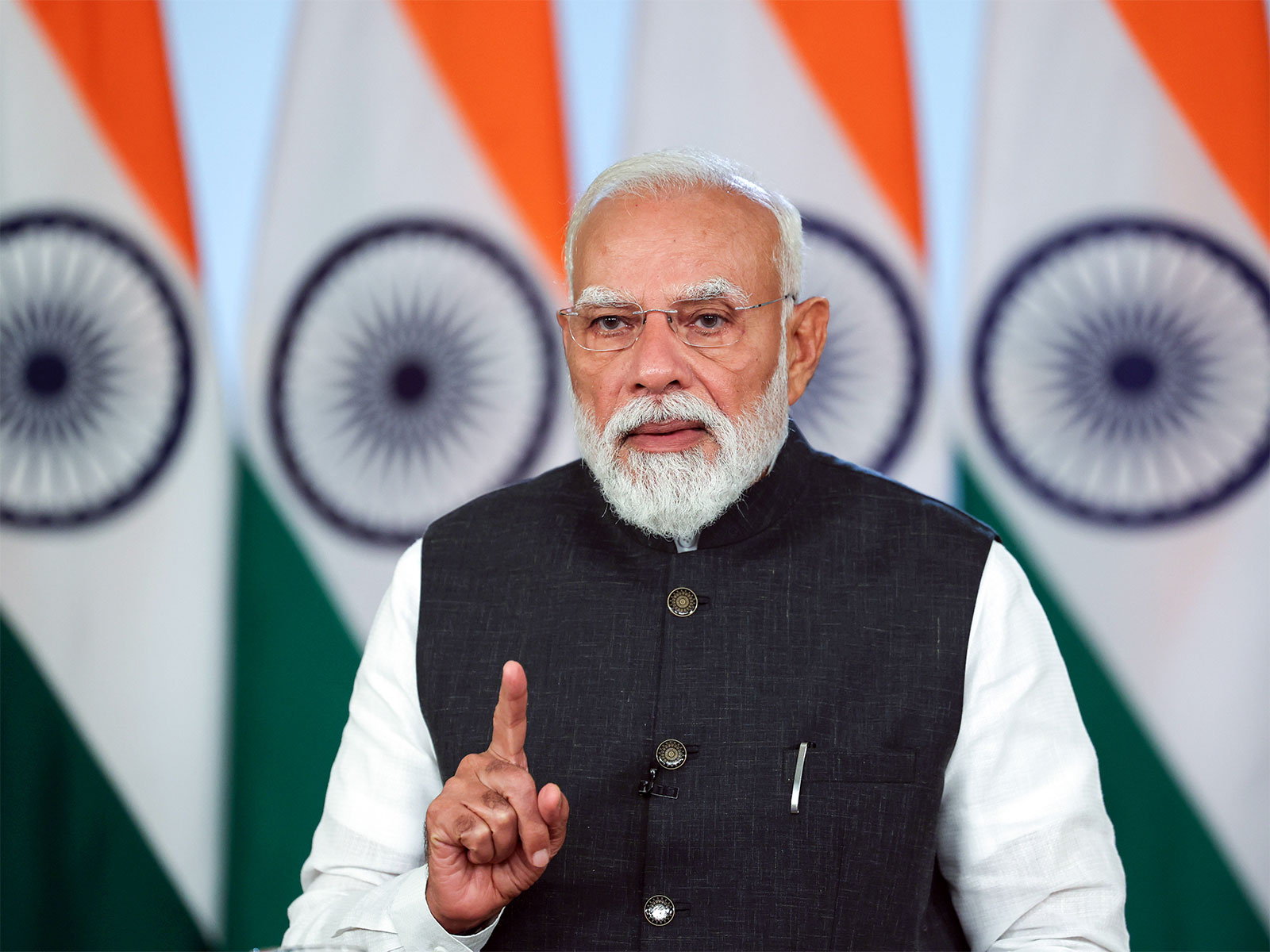
New Delhi [India], April 3 : Prime Minister Narendra Modi on Thursday welcomed the passage of the Jan Vishwas (Amendment of Provisions) Bill, 2026, in Parliament, calling it a major step towards enhancing 'Ease of Living' and 'Ease of Doing Business' in the country.
In a post on X, the Prime Minister said, "A big boost to 'Ease of Living' and 'Ease of Doing Business'... It's a matter of immense delight that Parliament has passed the Jan Vishwas (Amendment of Provisions) Bill 2026."
Highlighting the significance of the legislation, he added, "This Bill strengthens a trust-based framework that empowers our citizens. It marks the end of rules and regulations that are outdated. At the same time, it ensures speedy disposal of cases, reduces litigation burden with decriminalisation."
The Prime Minister also underscored the consultative approach adopted during the drafting of the Bill. "What is also noteworthy is the consultative approach with which this Bill was drafted," he said.
Expressing gratitude to all stakeholders involved, he noted, "My compliments to all those who have given their insights towards the drafting of the Bill and supported it in Parliament."
The Lok Sabha had passed the Jan Vishwas (Amendment of Provisions) Bill, 2026, on Wednesday. The legislation aims to promote a governance model based on trust and proportionate regulation, while reducing compliance burden and decriminalising minor offences to facilitate smoother business operations and improve citizens' quality of life.
The Bill seeks to amend 784 provisions of 79 Central Acts administered by 23 Ministries, decriminalise 717 provisions to promote Ease of Doing Business and amend 67 provisions to facilitate Ease of Living.
Commerce and Industry Minister Piyush Goyal replied to the debate on the bill.
The Bill seeks to rationalise more than 1000 offences, remove outdated and redundant provisions and improve the overall regulatory environment.
It envisages a shift from criminal penalties for minor, technical, or procedural defaults to civil and administrative enforcement mechanisms.
Key measures include replacing imprisonment provisions with monetary penalties or warnings, graded enforcement mechanisms, including warnings for first-time contraventions and rationalisation of fines and penalties in proportion to the nature of the offence
To ensure efficient and time-bound enforcement, the Bill provides for the appointment of Adjudicating Officers and the establishment of Appellate Authorities
Officials said that the measures aim to facilitate the speedy disposal of cases and reduce litigation burden on courts, while ensuring adherence to principles of natural justice.
The Bill also proposes 67 amendments under the New Delhi Municipal Council Act, 1994 and the Motor Vehicles Act, 1988
Officials said that the amendments are aimed at simplifying procedures and enhancing citizen convenience in areas such as municipal taxation and vehicle-related compliance.
The bill is based on a comprehensive consultative process involving Inter-Ministerial Committee meetings, High-Level Committee meetings under NITI Aayog, interactions with industry associations, and civil society organisations.
The Select Committee on the Jan Vishwas (Amendment) Bill, 2025, undertook a comprehensive consultation process consisting of 49 sittings with committee members, participating Ministries, external stakeholders, and subject-matter experts.