BIS hallmarking strengthening consumer trust, India's quality ecosystem: Union Minister Pralhad Joshi
Jan 06, 2026
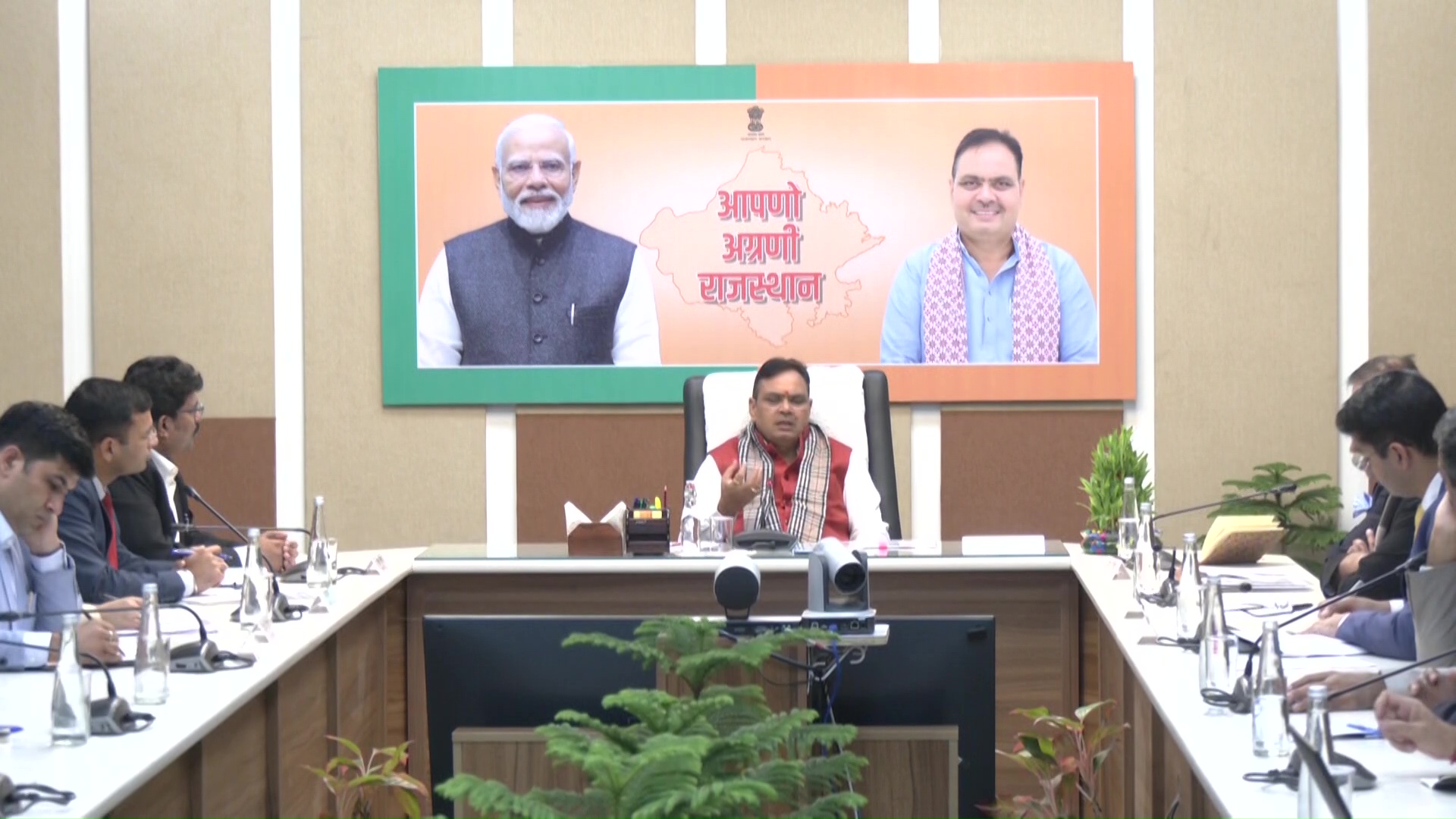
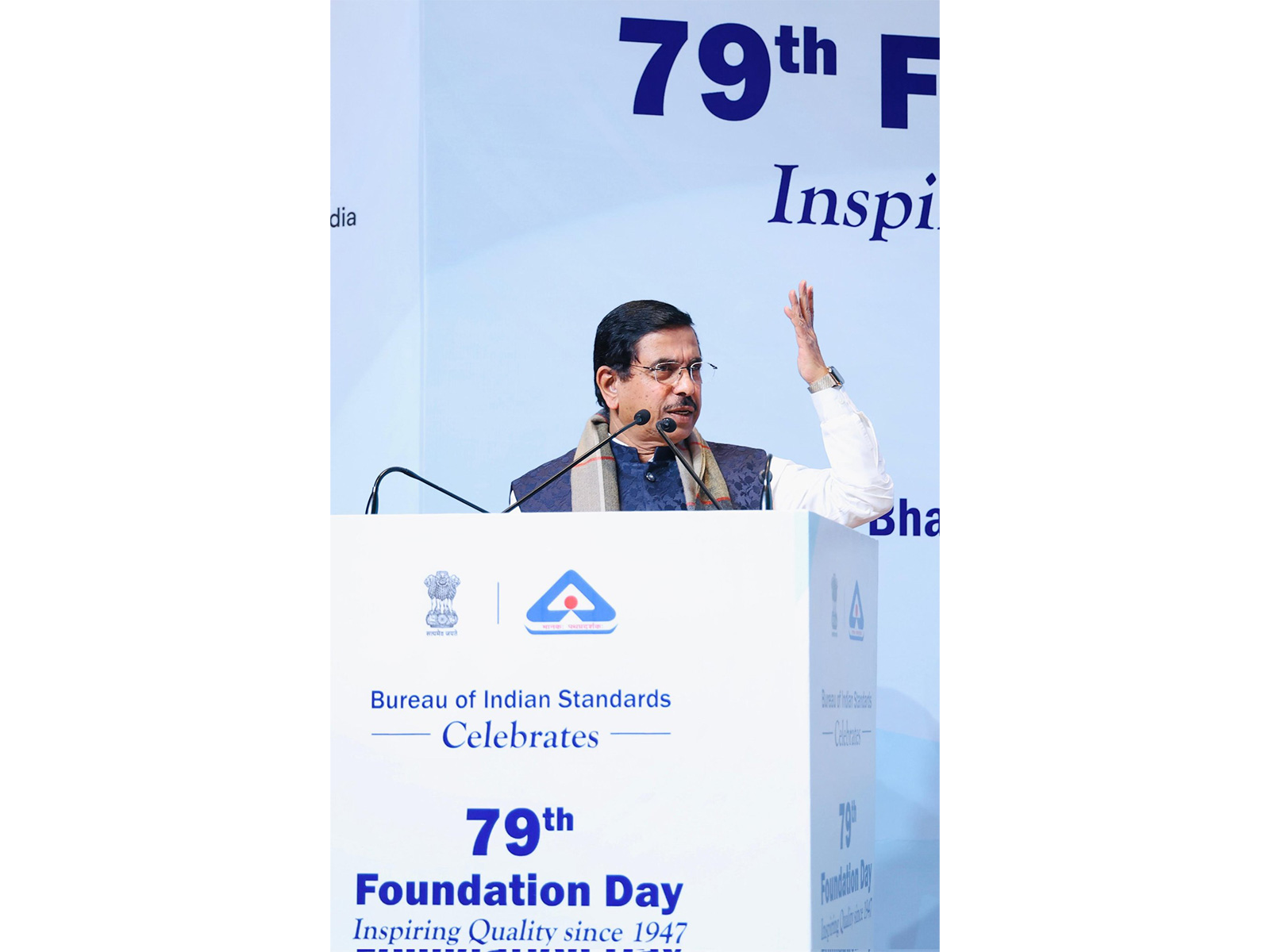
New Delhi [India], January 6 : The expansion of Hallmark Unique Identification (HUID)-based gold and silver hallmarking by the Bureau of Indian Standards (BIS), with more than 20 lakh silver articles already hallmarked, is strengthening consumer confidence and reinforcing India's commitment to quality, Union Minister for Consumer Affairs Pralhad Joshi said on Tuesday.
"Quality is not a choice, it is a responsibility we owe to our citizens, industry and the market," Joshi said while addressing the 79th BIS Foundation Day celebrations event held in New Delhi.
HUID is a systematic procedure established by the Bureau of Indian Standards (BIS) to ensure the purity and authenticity of gold jewellery in India.
The statement from Minister Joshi came when gold prices are at record highs. Gold prices today are hovering around Rs 1,40,655 per 10 grams. Silver is also trading near record levels of Rs 2,47,000 per kg.
Stressing that hallmarking has become a key instrument in protecting consumers and improving credibility for manufacturers, Joshi said that growing adoption of hallmarking shows people now recognise that "without quality certification, trust and sales both suffer."
Joshi said India's standards regime has achieved significant global alignment, with about 94% of Indian Standards harmonised with ISO and IEC. This, he said, has helped Indian products gain wider acceptance in international markets as the country positions itself to compete with the world's largest economies.
Highlighting the expanding scope of standardisation, Joshi said BIS standards now cover renewable energy, electric mobility, energy storage and electric agricultural tractors, reflecting India's transition towards clean energy and sustainable growth. "If we want to lead in the 21st century, our products must meet the highest global benchmarks," he said.
He noted that the rise in voluntary BIS certifications demonstrates growing industry confidence in quality marks as a commercial advantage, not just a regulatory requirement.
Joshi also underscored BIS's role in enforcing quality control orders to prevent the import of substandard goods, protecting both consumers and domestic manufacturers.
Looking ahead, he said BIS is focusing on modernising laboratories, expanding digital platforms, empowering women through initiatives such as Manak Mitra, and strengthening India's leadership in international standardisation.
During the same event, Minister of State for Consumer Affairs BL Verma said that the journey of the Bureau of Indian Standards (BIS) has moved in step with India's national progress, with its logo today recognised as a symbol of quality, standard and purity. "Quality should become a national ritual," he said, adding that standards are essential for sustainable development.
Referring to the government's decision on hallmarking, Verma said the move had brought a significant change in the bullion market.
He said that many innocent consumers, particularly in rural areas, were earlier cheated by the sale of substandard gold. "Now consumers are confident while buying hallmarked jewellery, and even the youth are vigilant about quality," Verma said.
He added that complaints related to hallmarking would be dealt with strictly.
Emphasising the balance between commerce and consumer protection, Verma said trade must continue smoothly while maintaining public trust. He also stressed that policies framed in Delhi must reach "every nook and corner" of the country.
BIS, he said, is expanding awareness of ISI and BIS marks, while also contributing to global standard-setting through engagement with the International Electrotechnical Commission (IEC). "The standards of India will become the standards of the world," Verma said.