BLA claims completion of 2nd phase of 'Operation Herof' following multi-city offensive
Feb 07, 2026
Balochistan [Pakistan], February 7 : The Baloch "pro-independence" organisation Baloch Liberation Army (BLA) said on Friday that the second phase of its campaign, referred to as "Operation Herof", had been completed after six days of what it described as coordinated urban warfare across several cities in Balochistan, according to a report by The Balochistan Post (TBP).
In a statement, BLA spokesperson Jeeyand Baloch said the operation commenced at 5 am on January 31 and concluded at 4 pm on February 6 after, according to the group, its "predefined objectives" were met.
He stated that the campaign spanned 14 cities across Balochistan and amounted to what he described as the "largest, most intense and most organised military operation" in the group's history.
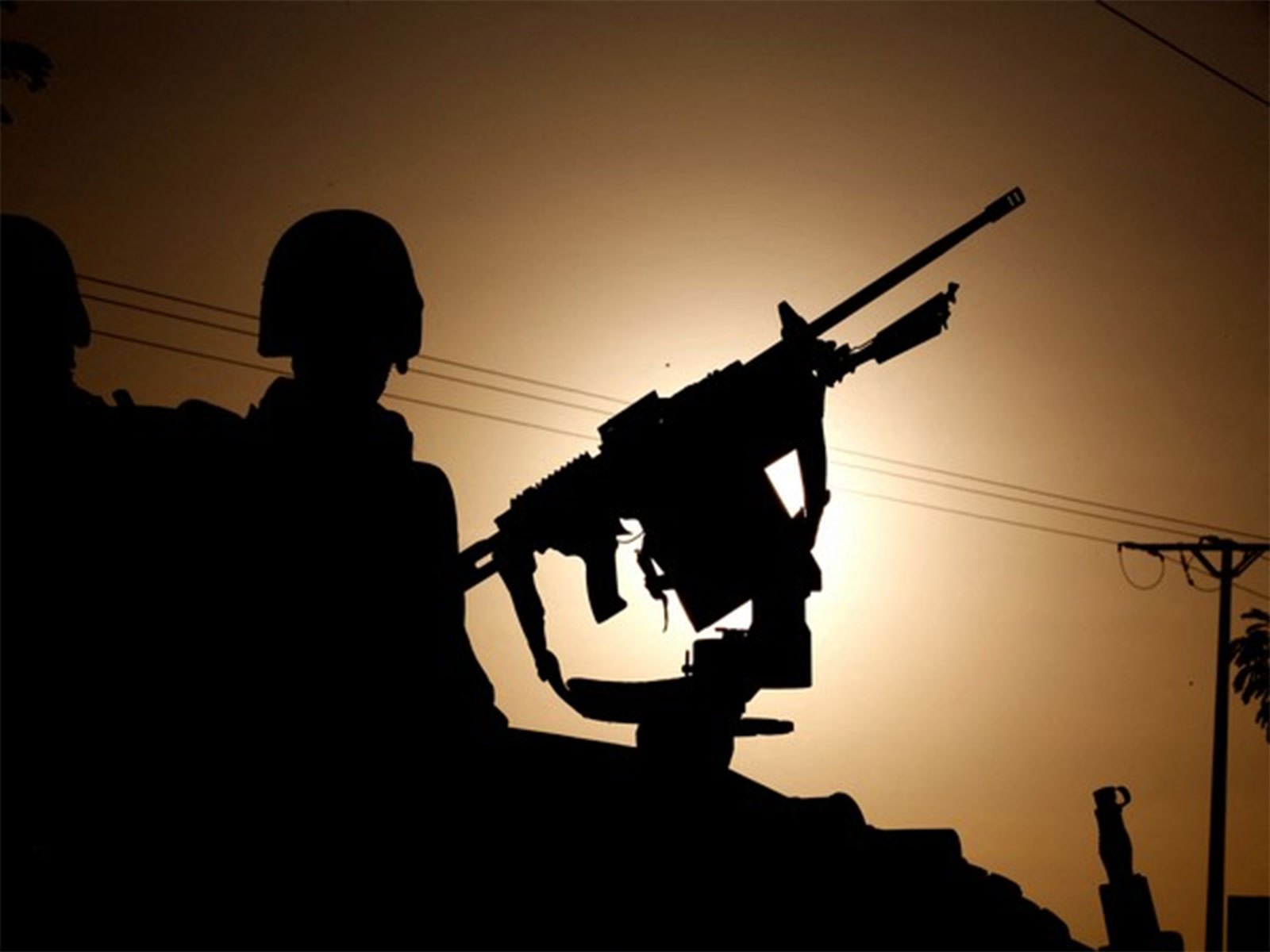
According to the statement, Baloch fighters launched simultaneous assaults and, in multiple locations, took control of security checkpoints, military facilities and sections of urban areas. The spokesperson claimed that in several cities, Baloch Liberation Army units held their ground for as long as six consecutive days, compelling Pakistani forces into what he characterised as a "sustained retreat".
He said this led to what the group regarded as political, psychological and military setbacks for the state, TBP reported. The spokesperson said that during the operation, a total of 93 Baloch fighters were killed.
According to the group, these included 50 members of the Majeed Brigade, 26 from the Fateh Squad, and 17 from the Special Tactical Operations Squad.
The TBP report highlighted that he said all major units of the organisation were involved in the campaign, including the three cited above, ZIRAB, which the group describes as its intelligence wing, and Hakkal, its media wing.
The statement alleged that more than 362 personnel from Pakistani security forces were killed during the operation. The spokesperson said these included members of the Pakistani army, the Frontier Corps, police and what he described as state-backed armed groups.
Jeeyand Baloch further stated that 17 security personnel were detained during the operation. According to him, 10 of those detained were released after receiving warnings that they were Baloch, while seven remain in the group's custody. He said the remaining detainees would face proceedings over alleged involvement in war crimes and what he described as acts of genocide. The statement also said dozens of military facilities were damaged, weapons were seized and that the operation significantly weakened what the group described as the state's military superiority.
At the end of the operation, the spokesperson said the Baloch Liberation Army viewed all strategic and tactical objectives of phase two of "Operation Herof" as fully accomplished, according to the TBP report.
He outlined three main objectives of the campaign. The first, he said, was to show that Baloch fighters have the capability to strike and establish control over urban centres at times and locations of their choosing. The second was to convey to the Baloch population that the resistance, as described by the group, rests on collective confidence and organisational strength. The third objective, according to the statement, was to challenge what the group described as the perceived and uncontested dominance of Pakistani forces across Balochistan, the TBP report noted.
The spokesperson said the decision to pursue urban warfare was intentional. Cities that, according to him, were considered secure strongholds by Pakistani forces were deliberately chosen to demonstrate that the Baloch movement was no longer limited to mountainous regions. He said the group retained control over key military sites, checkpoints, and urban locations long enough to convey to both the local population and the international community that it could set its own strategy and shape the battlefield on its own terms.
According to the TBP report, he said the outcomes of the operation were not merely symbolic but also carried practical, political, and deep psychological consequences. According to the statement, the second phase of "Operation Herof" aimed to reject narratives portraying the Baloch national movement as tribal, violent or extremist. The spokesperson said the group regarded its struggle as organised, politically conscious and grounded in what he described as national dignity, rather than as a reactionary movement.
Jeeyand Baloch said efforts by the Pakistani state to associate the Baloch armed struggle with terrorism or religious extremism were, in his words, part of a deliberate attempt to misrepresent the nature of what he described as a political movement.
He stated that the struggle was not driven by ethnic hatred or sectarian ideology, nor was it funded by foreign sources. The spokesperson also called on international human rights organisations, countries that support the rule of law and global institutions to recognise what he described as the scale of abuses carried out by Pakistani forces in Balochistan.
He said sustained diplomatic pressure was needed to end the "occupation" and to secure justice for a population that, according to him, had been denied a voice for decades, as cited by the TBP report.
In addition, the statement warned foreign companies and international investors against collaborating with Pakistan in the extraction of Balochistan's mineral resources. The spokesperson said any such cooperation would be viewed as support for "occupation".
He said the group did not acknowledge Pakistan's authority or claims over the territory and that institutions involved in what he described as colonial projects would be regarded accordingly, with their presence not seen as separate from military activity, TBP stated.
The statement concluded by expressing gratitude to Baloch men and women who, according to the group, supported the second phase of "Operation Herof". Jeeyand Baloch said the population's role, ranging from intelligence and logistical support to resilience in the face of what he described as collective punishment, was decisive.
He said the outcome of the operation belonged to the entire nation and described it as "only the beginning", adding that the group would return, in his words, "stronger, more prepared and more united", until its stated objectives were achieved, the TBP report stated.