Blackmailing tactics on social media akin to 'digital arrest': Supreme Court
Mar 20, 2026
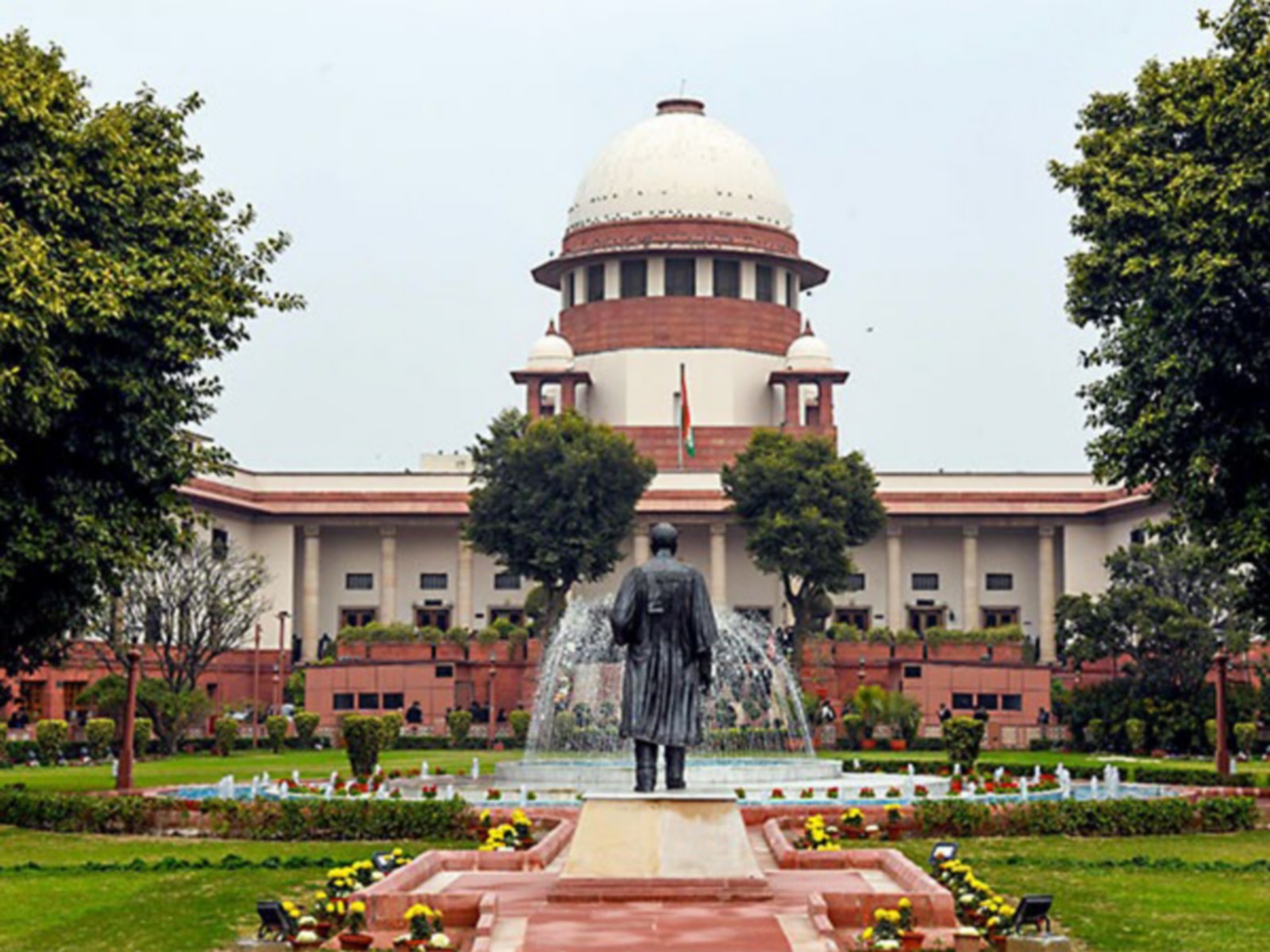
New Delhi [India], March 20 : The Supreme Court on Friday verbally remarked that certain entities on social media who act as blackmailers in the garb of being media persons are no less than fraudulent persons who commit "digital arrest".
The remark came when the Solicitor General of India (SGI) Tushar Mehta stated before a bench led by the Chief Justice of India (CJI) Surya Kant that certain persons on social media who run tabloids and other platforms act as blackmailers.
The bench agreed with SG Mehta and expressed that it's an alternative form of committing "digital arrest".
"It is another format of something like digital arrest. Unfortunately, still not being treated as a crime", the CJI remarked.
The Court was hearing a public interest litigation plea flagging the actions of the Police of the States of Haryana, Gujarat, Chhattisgarh, Maharashtra and Assam in uploading media such as photos and short-form videos (reels) depicting accused persons being handcuffed, tied by ropes, beaten with sticks, kneeling on the floor, dragged or pulled down a flight of stairs etc. on their official pages/handles on 'Instagram'.
After hearing submissions on behalf of the petitioners, the Court asked to wait for the outcome of compliance with the Court's order in another matter where it had directed police of all states to implement a manual which has guidelines restraining them from posting any material in violation of the accused's rights.
The court has also granted liberty to the petitioner to file a fresh comprehensive petition with updates as to how many state police have complied with the court's directions.
Appearing for the petitioner, Senior Advocate Gopal Sankarnarayanan argued that the trend is getting out of hand, with police officials using their social media accounts to publicise images and videos of accused individuals. He submitted that such practices, including the parading of the accused, constitute a gross breach of privacy and undermine the very foundations of the criminal justice system.
Justice Joymalya Bagchi, sitting alongside the CJI on the bench, added that police media briefings would necessarily extend to their social media handles, as these platforms are now a primary means of disseminating information. He also pointed to the evolving challenge posed by "atomised social media", including podcasts and other decentralised formats.
The Bench, however, refrained from issuing immediate directions and instead asked the petitioners to await compliance in a related matter, where the Court had already directed all States to implement a manual laying down guidelines restricting publication of material that violates the rights of accused persons.
The Court, however, permitted the petitioners to file a fresh, comprehensive plea incorporating updated data on the extent of compliance by State police authorities with the earlier directions.
The CJI also indicated that the plea could be suitably amended to examine the roles and responsibilities of the police, media, and the public in the context of such digital dissemination.