Budget 2026 driven by "Yuva Shakti", anchored around three guiding "kartavya"
Feb 01, 2026
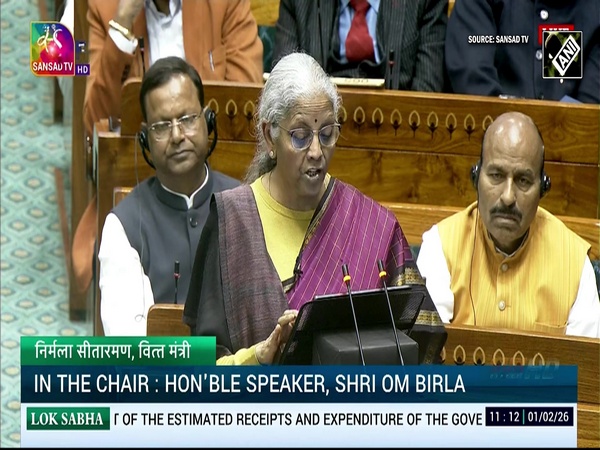
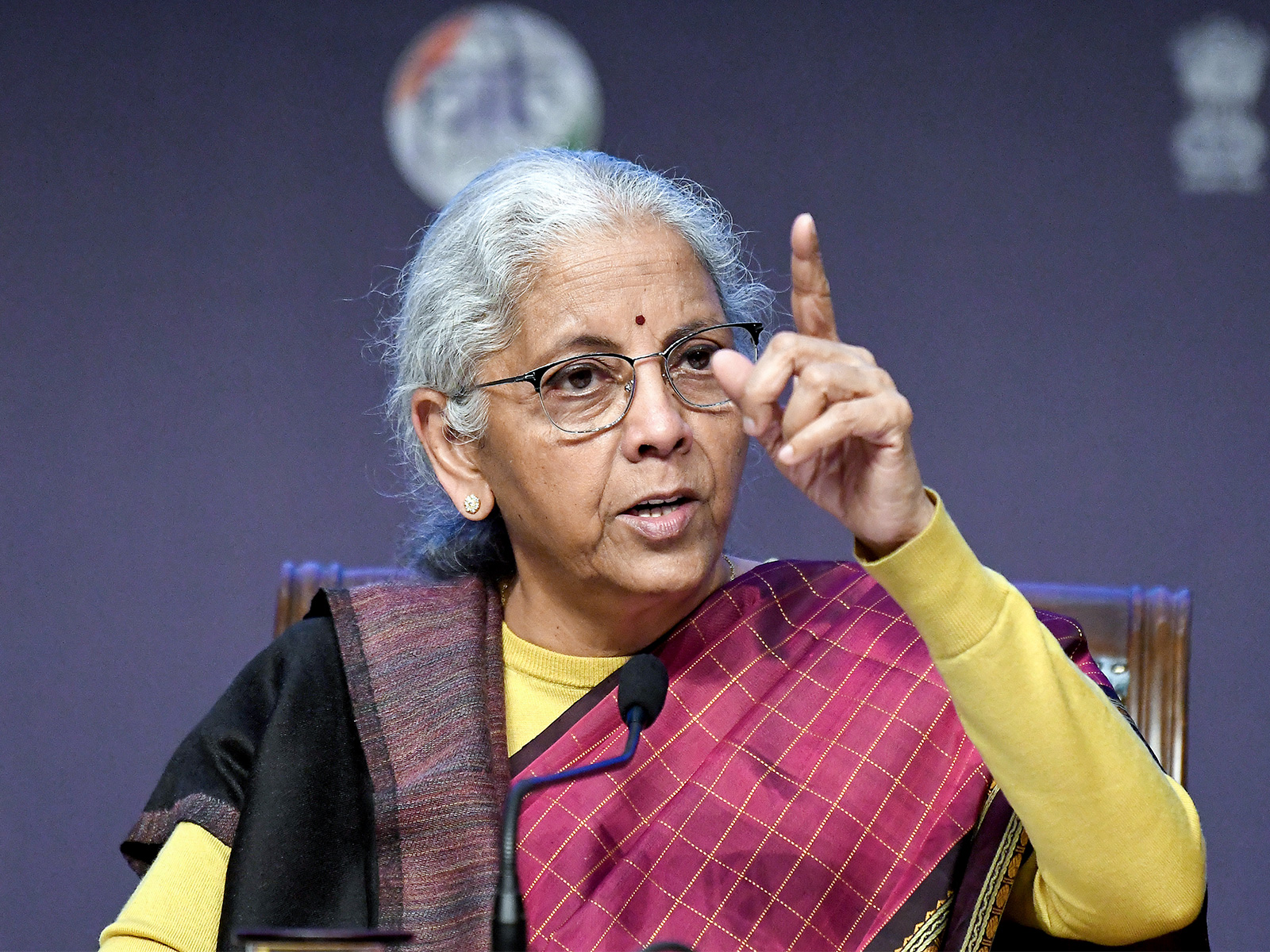
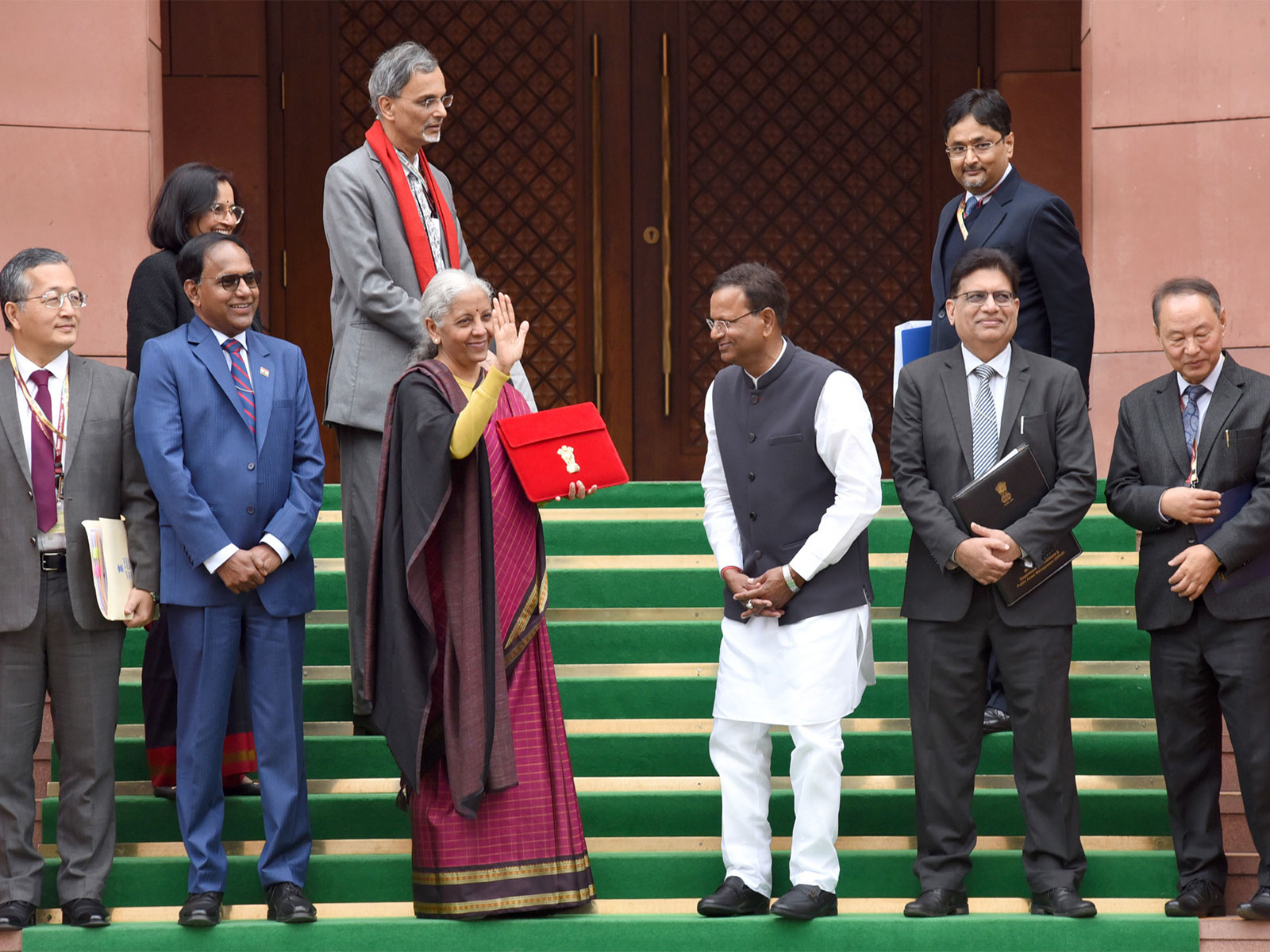
New Delhi [India], February 1 : The Union Budget 2026-27, presented by Finance Minister Nirmala Sitharaman in Parliament on Sunday, laid out an ambitious roadmap aimed at accelerating economic growth, empowering youth, and ensuring inclusive development, while maintaining a firm commitment to fiscal consolidation.
Framed as a "Yuva Shakti-driven Budget," the proposals seek to balance long-term growth with social equity and global competitiveness.
The Budget, the first to be prepared in Kartavya Bhawan, is anchored around three guiding "kartavya" (duties) accelerating and sustaining economic growth, fulfilling the aspirations of people by building their capacity, and ensuring inclusive development in line with the vision of Sabka Sath, Sabka Vikas.
The Finance Minister noted that the economy faces global uncertainties, disrupted supply chains and rising demands for energy and critical minerals, necessitating resilient and forward-looking policy measures.
Some of the key announcements of the budget were the public capital expenditure has been increased to Rs 12.2 lakh crore for FY 2026-27, up from Rs 11.2 lakh crore in the previous year, underlining the government's continued focus on infrastructure-led growth. Key initiatives include the development of seven high-speed rail corridors connecting major cities, new dedicated freight corridors, and the operationalisation of 20 national waterways over the next five years to promote environmentally sustainable transport systems.
In addition, city economic regions (CERs) will be mapped and supported through a reform-linked financing mechanism, with an allocation of Rs 5,000 crore per CER over five years.
To strengthen domestic manufacturing, the Budget announced sector-specific interventions across biopharma, textiles, and MSMEs. A Rs 10,000 crore Biopharma SHAKTI initiative aims to position India as a global hub for biologics and biosimilars, while a separate Rs 10,000 crore SME Growth Fund has been proposed to nurture "Champion MSMEs."
The textiles sector will benefit from an integrated programme covering fibre self-reliance, cluster modernisation, sustainability initiatives and skill development under Samarth 2.0.
A major highlight on the taxation front was the announcement that the New Income Tax Act, 2025 will come into effect from April 2026, accompanied by simplified rules and redesigned forms to ease compliance for taxpayers. The Budget also proposes reductions in Tax Collected at Source (TCS) rates for overseas tour packages, education and medical expenses under the Liberalised Remittance Scheme.
In a bid to reduce litigation, assessment and penalty proceedings will be integrated, pre-deposit requirements lowered, and certain procedural defaults decriminalised. The government also announced rationalisation of penalties and prosecution provisions, along with a one-time foreign asset disclosure scheme for select categories of taxpayers.
To position India as a global services and manufacturing hub, the Budget offers a tax holiday until 2047 for foreign companies providing global cloud services using data centres in India. Non-residents paying tax on a presumptive basis will be exempt from Minimum Alternate Tax, and safe harbour norms have been liberalised for IT services.
On the social front, the Budget proposes one girls' hostel in every district to support women pursuing higher education in STEM fields. A Khelo India Mission will be launched to transform the sports ecosystem over the next decade, while mental health infrastructure will be strengthened through the establishment of NIMHANS-2 and upgrades to regional institutes.
The agriculture sector will see the rollout of Bharat-VISTAAR, a multilingual AI-based advisory platform integrating AgriStack and ICAR resources to improve farm productivity and reduce risk.
Despite higher spending, the government reiterated its commitment to fiscal discipline. The fiscal deficit for FY 2026-27 is pegged at 4.3% of GDP, marginally lower than the revised estimate of 4.4% for the previous year, while the debt-to-GDP ratio is projected to decline to 55.6%.
Industry captains across finance, mining, manufacturing, and consulting have noted a strategic focus on long-term tax certainty, infrastructure spending, and the strengthening of domestic supply chains. There is a palpable sense of optimism regarding the government's push for "Viksit Bharat".
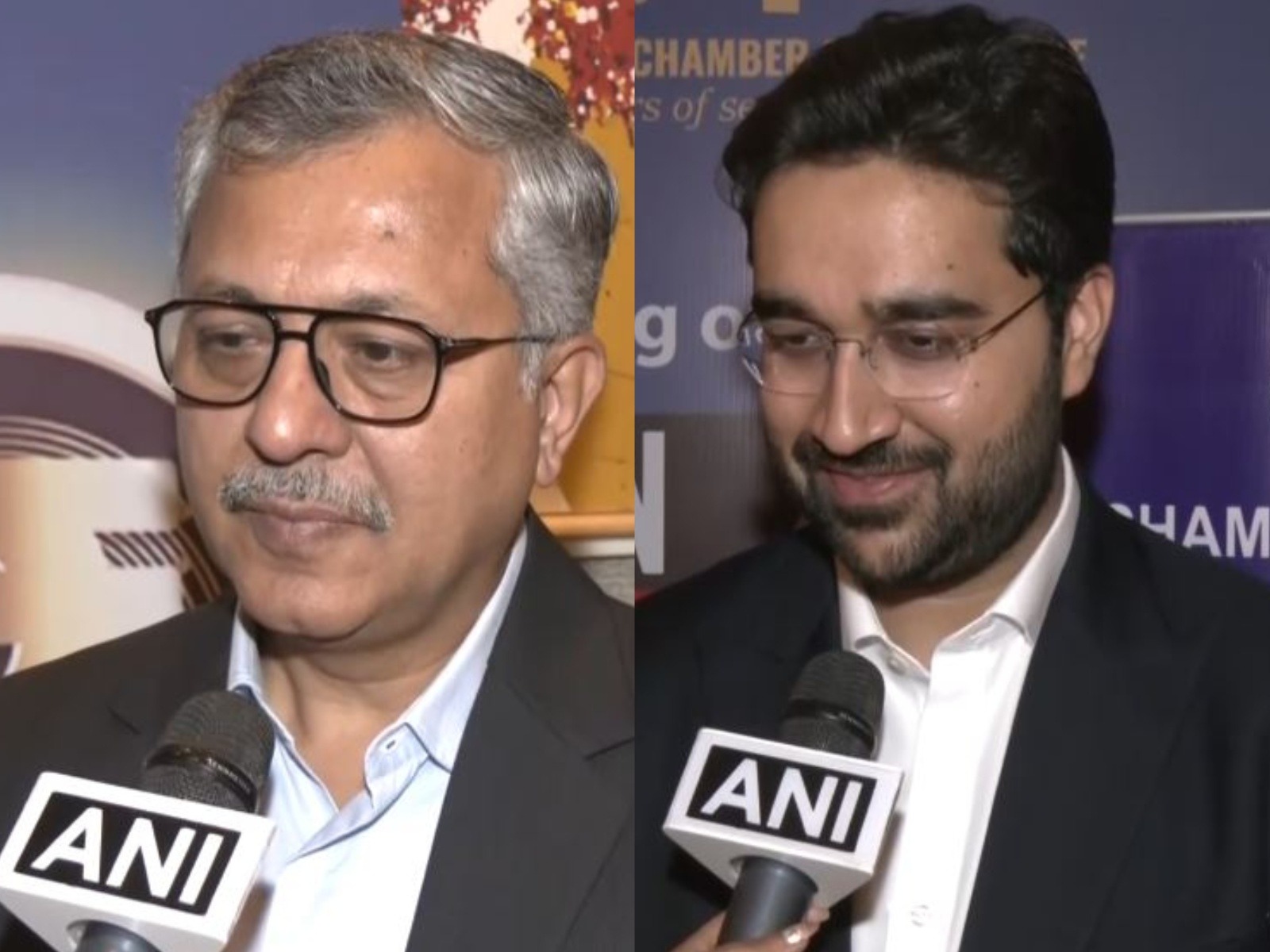
Anil Agarwal, Chairman of the Vedanta Group, described the budget as "a growth-oriented Budget, with a clear focus on increasing public capital expenditure and boosting manufacturing." He specifically welcomed the "keen attention to critical minerals and rare earths.
Sanjeev Krishan, Chairperson of PwC in India, stated that, "amidst geopolitical concerns, fragmentation, and financial tightening across the globe, this year's Union Budget lays emphasis on the collective strength of Bharat. From domestic manufacturing and infrastructure-led investments to targeted sector-specific reforms and expanding the workforce, these interventions reflect conscious choices--a clear effort to balance macroeconomic priorities with micro-level necessities."
Anant Goenka, President of FICCI, welcomed the steps taken toward tax simplification and decriminalisation. He noted that, "the incentives and tax certainty measures aimed at attracting global capital are a strong positive and will further reinforce India's position as a preferred destination for foreign investment."