Budget 2026 positions India's policy around stability amid global uncertainty: Department of Economic Affairs
Mar 06, 2026
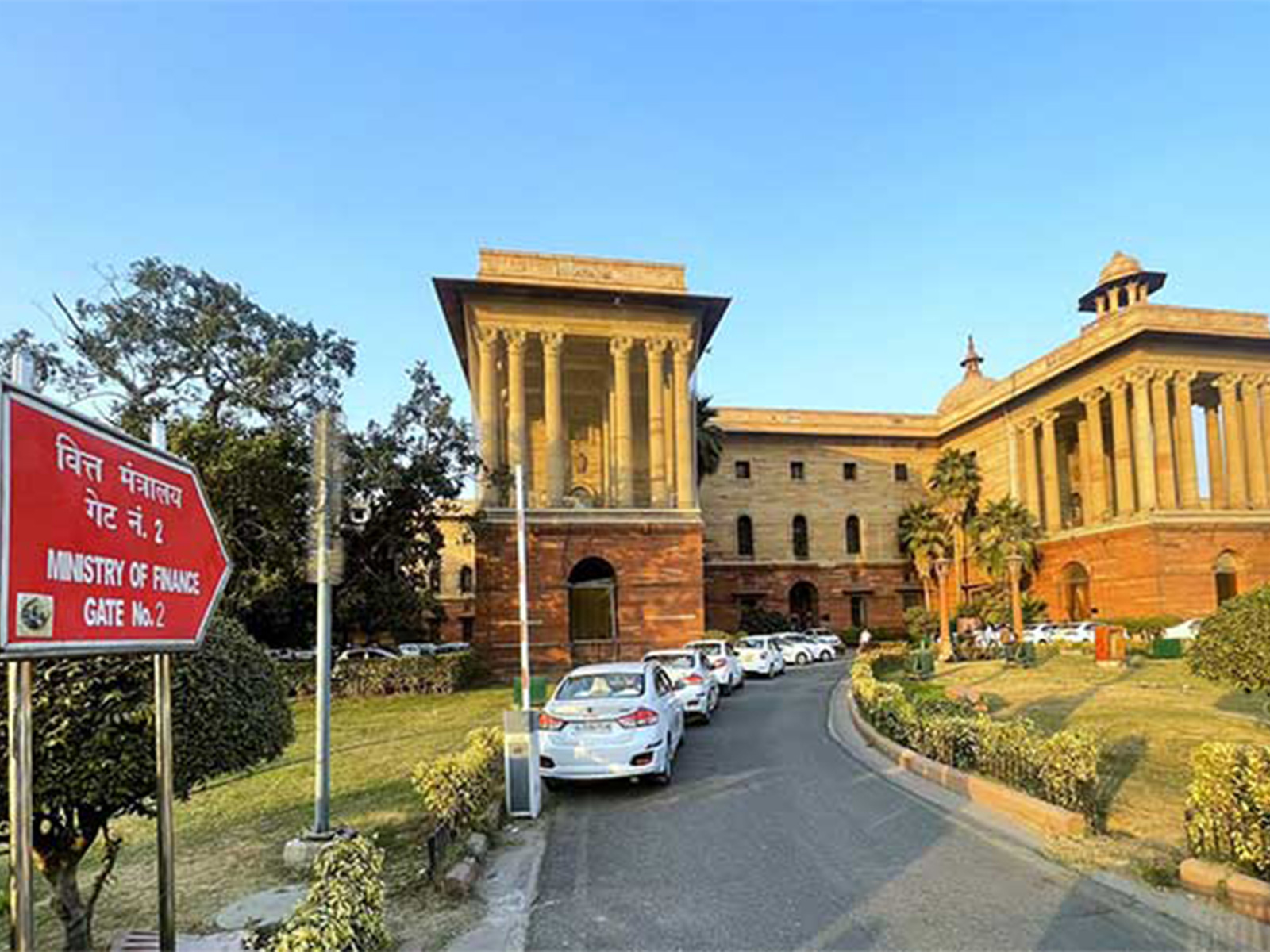
New Delhi [India], March 6 : At a time of heightened global uncertainty and shifting economic dynamics, the Union Budget 2026-27 positions India's policy framework around stability, resilience and inclusive growth, according to monthly economic review by Department of Economic Affairs under Ministry of Finance.
"Building on the reform momentum of recent years, the Budget advances a calibrated strategy that combines fiscal prudence with targeted interventions to sustain growth, strengthen productivity and strategic resilience and expand economic participation," the report read.
By aligning investment-led growth with human capital development and social protection, the policy approach seeks to reinforce macroeconomic stability while ensuring that growth remains broad-based and employment-oriented.
Economic activity in January 2026 remained broad-based, with high-frequency indicators pointing to sustained momentum.
Manufacturing expansion was supported by strong order books and capacity utilisation above long-run averages, while services activity remained robust amid improving demand conditions. Alongside improved corporate performance and positive forward-looking indicators, these trends suggest continued growth momentum into the next fiscal year, the report noted.
A key statistical milestone was the introduction of the revised GDP and CPI series, strengthening the measurement of economic activity and inflation dynamics.
Inflation under the new CPI 2024 series firmed moderately in January 2026 to 2.75 per cent, reflecting normalisation in food prices, but remained within a broadly benign range.
"The new GDP series shows a smaller but steadfast economy, especially post-pandemic, with three consecutive years of growth above 7 per cent. Contribution to growth by industry and investment appears higher than what was in the earlier series. The new series resets the macroeconomic measurement framework, levels, growth rates, sectoral composition, and expenditure shares-against which fiscal, monetary, and structural policy will henceforth be assessed," the monthly review read.
Fiscal policy continues along a consolidation path while maintaining expenditure quality.
During April-January FY26, capital expenditure grew by 11.2 per cent while revenue expenditure remained contained. The fiscal deficit up to January was lower than in the corresponding period of the previous year, reflecting improved fiscal management, it added.
Building on this progress, the report asserted that the Union Budget 2026-27 continues the fiscal consolidation trajectory while sustaining capital spending to support infrastructure-led growth and macroeconomic credibility.
"The recommendations of the 16th Finance Commission further support this approach by emphasising responsible federalism, fiscal self-reliance and improved expenditure efficiency at the State level.
"Overall, the macroeconomic environment remains characterised by stable growth, contained inflation and continued reform momentum. The policy framework articulated in the Union Budget 2026-27 provides a strong anchor for sustaining investment-led, employment-oriented and inclusive growth. In view of positive developments, including recent successful trade deals and consecutive strong growth of 7+ over the previous three years, the real GDP growth outlook has been upgraded to 7.0-7.4 per cent for FY27, even as external uncertainties remain an important factor shaping the outlook," it further noted.