Budget likely to be inward-looking amid global uncertainty: Ashika Group CEO Rahul Arora
Jan 23, 2026
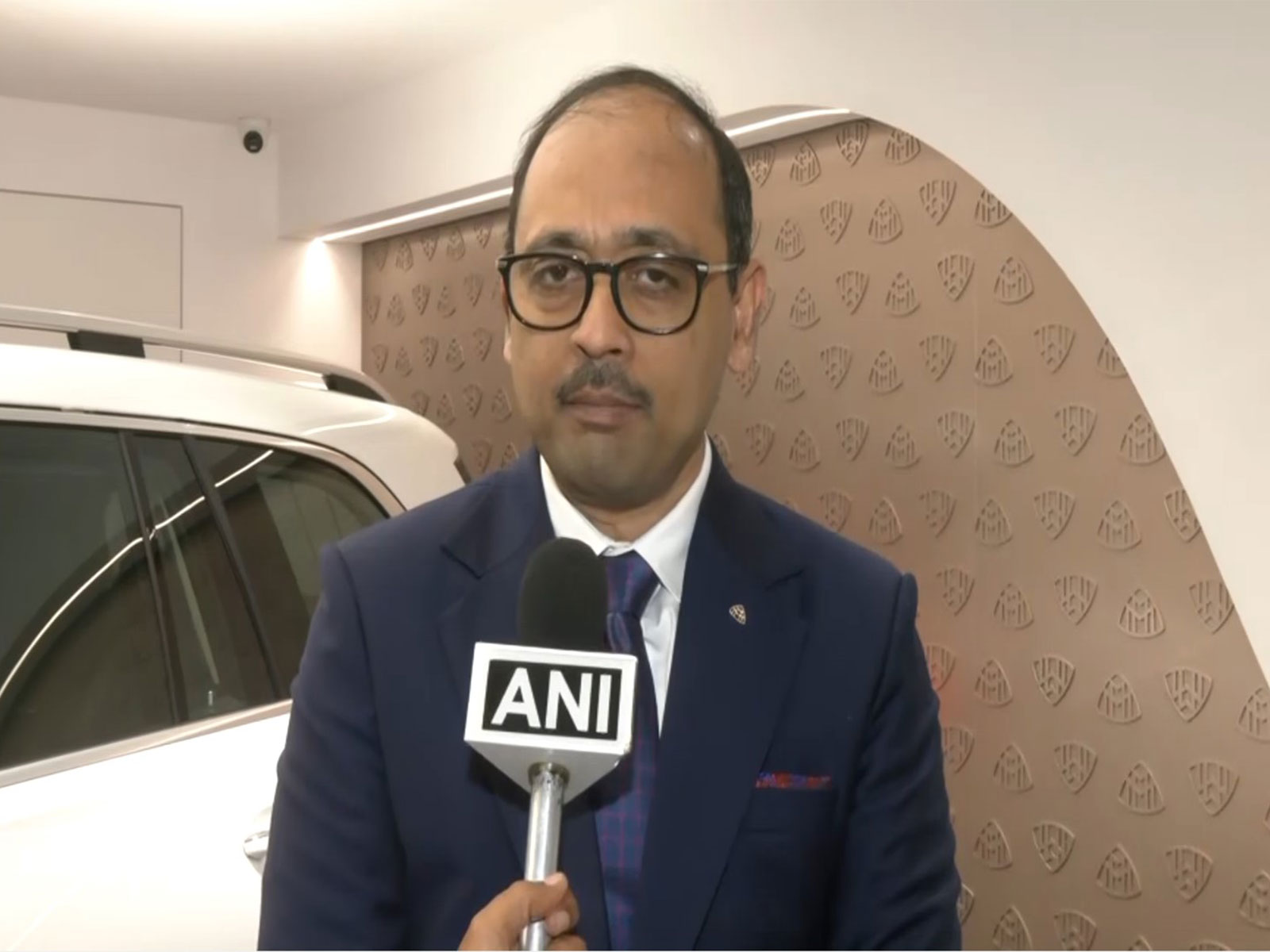
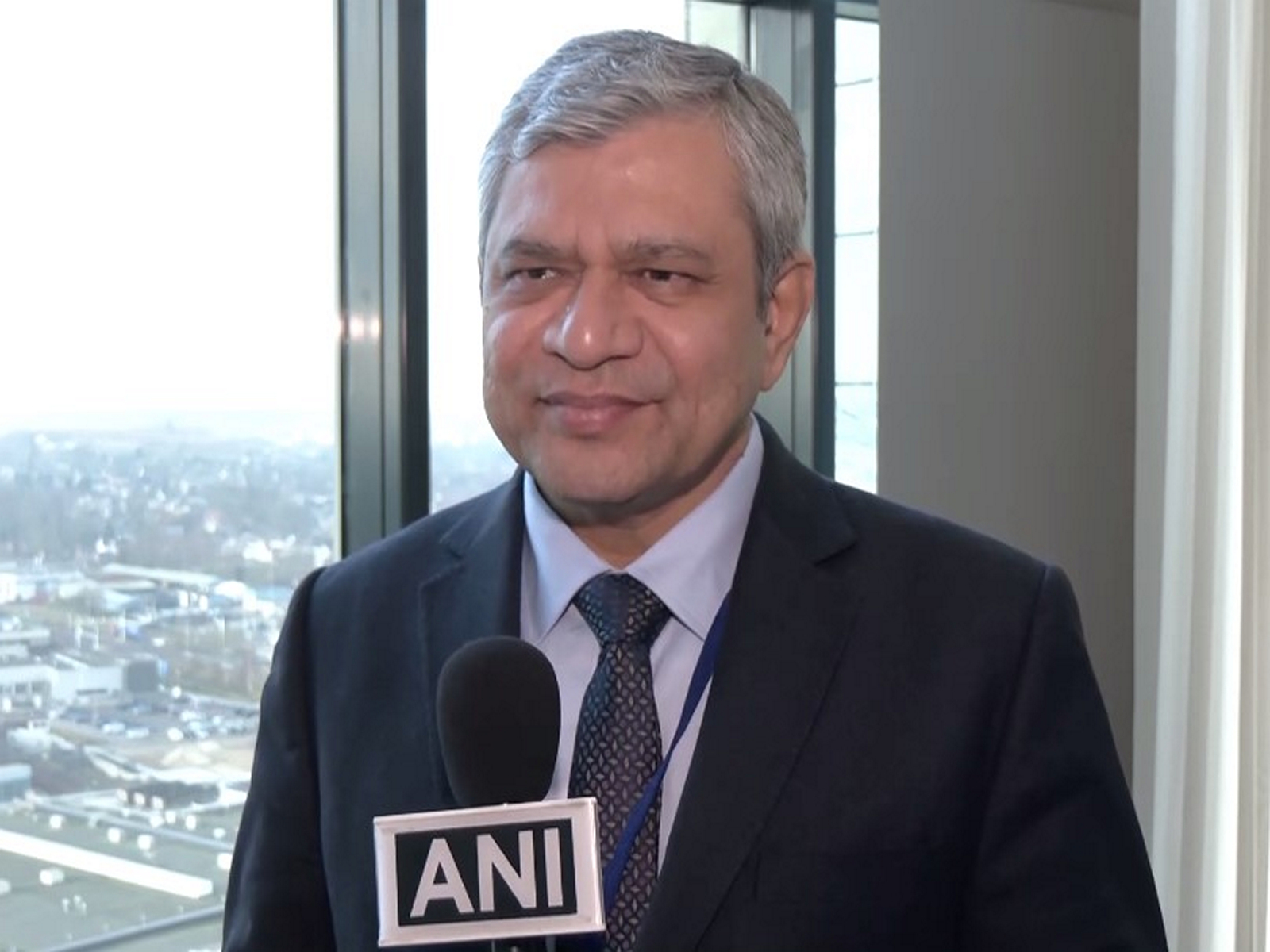
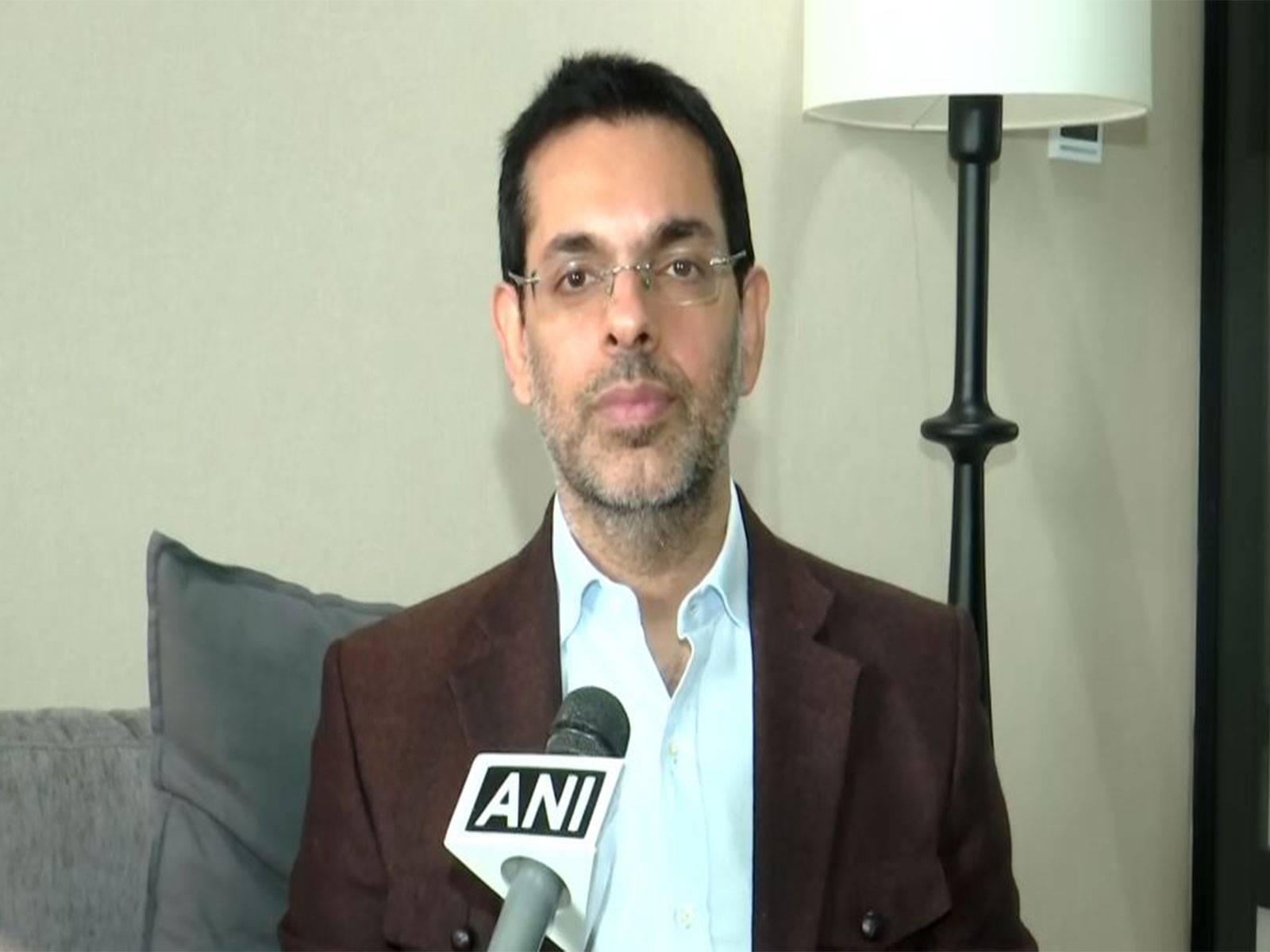
New Delhi [India], January 23 : The Union Government will have to look at a budget which is slightly inward-looking, protects the domestic economy, and reduces dependence, said CEO of Ashika Group, Rahul Arora on the upcoming Union budget.
Speaking with ANI on the expectations from the Union Budget 2026, Arora said, "From a duty standpoint, there could be some tweaking that happens on the customs duty. We may have to make concessions on goods coming in from the United States and provide concessions as well. So there will be a barter trade."
"I think we'll have to rework the customs duties. The government will have to look at a budget which is slightly inward-looking, which protects the domestic economy, reduces the dependence," he said.
Arora noted that with uncertainty around where global tariffs will eventually settle and whether trade deals will materialise in the near term, the government may prioritise reducing dependence on the external sector.
On government spending, Arora said reports suggesting revised capital expenditure of Rs 10.8 lakh crore for FY26, against the budgeted Rs 11.1 lakh crore, "appear realistic".
"Tax collections in the current fiscal year have undershot estimates and are unlikely to match nominal GDP growth. Tax revenue growth is likely to remain around 8-10 per cent, which means the government will have to be mindful on the expenditure side," he said.
He expects limited fiscal consolidation in the coming year. "The fiscal deficit, which is around 4.4 per cent this year, may only come down marginally to about 4.2 per cent next year. The overall capital expenditure growth of 9-10 per cent would be par for the course," he said.
On disinvestment, Arora said challenging market conditions could pose hurdles.
"The government has missed disinvestment targets for several years, and current market levels are not very conducive. That said, efforts to monetise key public sector enterprises will continue," he said.
Speaking on the private capital expenditure, he said it is likely to follow government spending, particularly if demand conditions improve.
He highlighted defence as a key sector, noting that defence spending has risen sharply in the current fiscal year, though such elevated growth may not be sustainable over the long term.
Arora also flagged concerns over the rupee's depreciation, saying sustained weakness could impact foreign portfolio inflows. However, he said India's macroeconomic position remains reasonably stable, aided by relatively range-bound crude oil prices.
"Crude oil, a major input for Indian corporates, has stayed within a comfortable range, helping manage the current account deficit," he said.