"Building ecosystem with structural reforms", says FM Sitharaman in post-Budget news conference
Feb 01, 2026
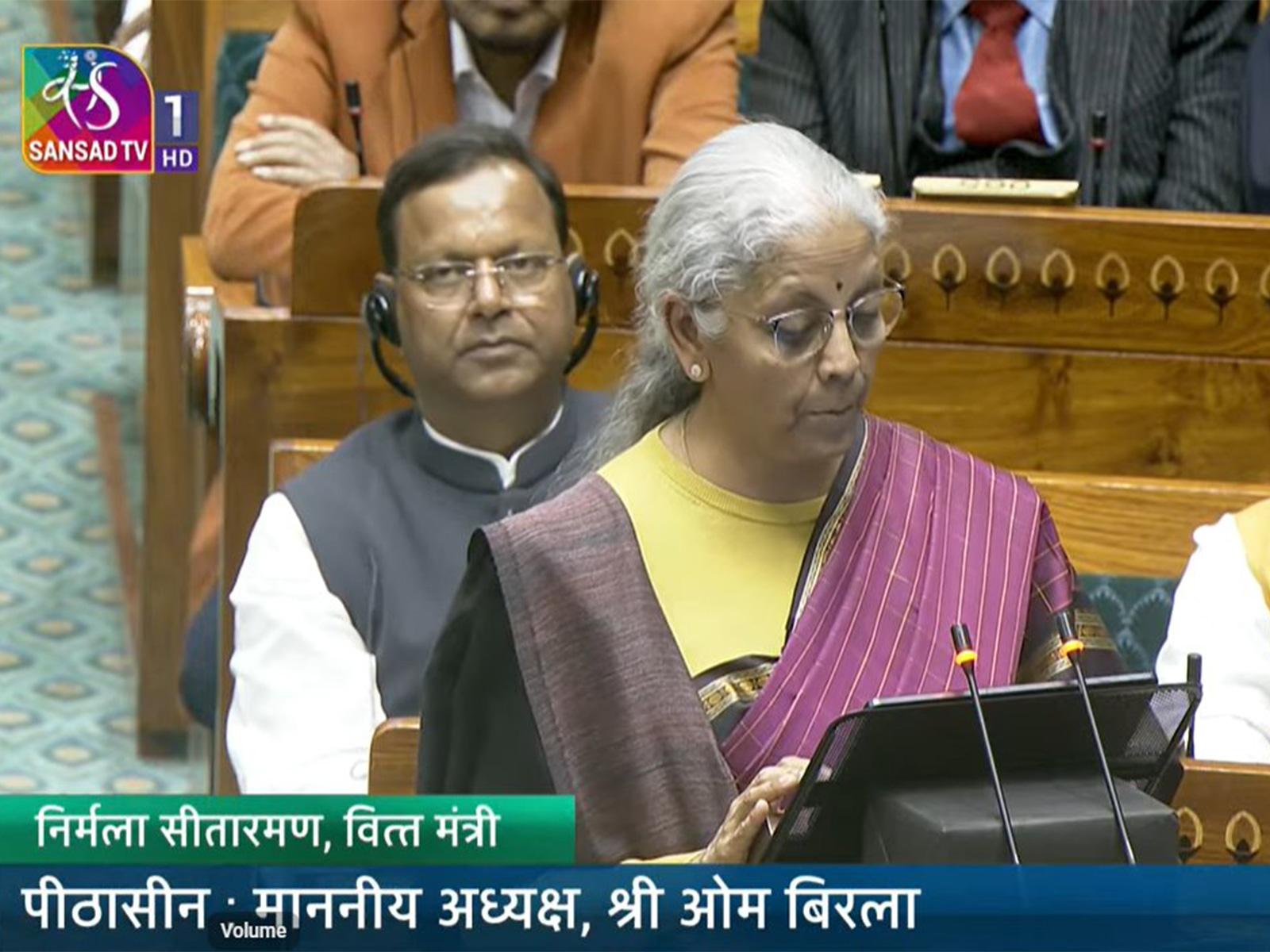
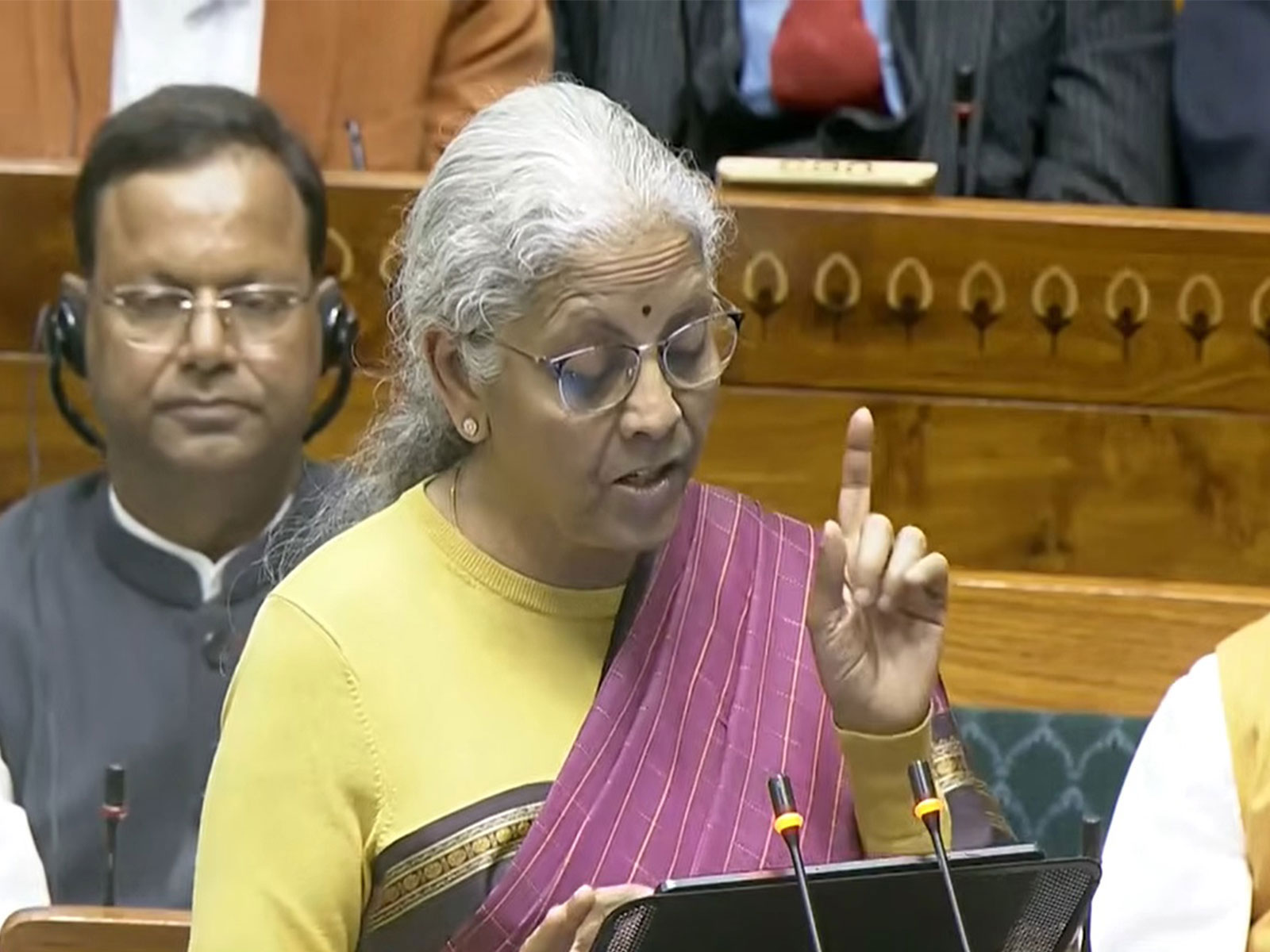
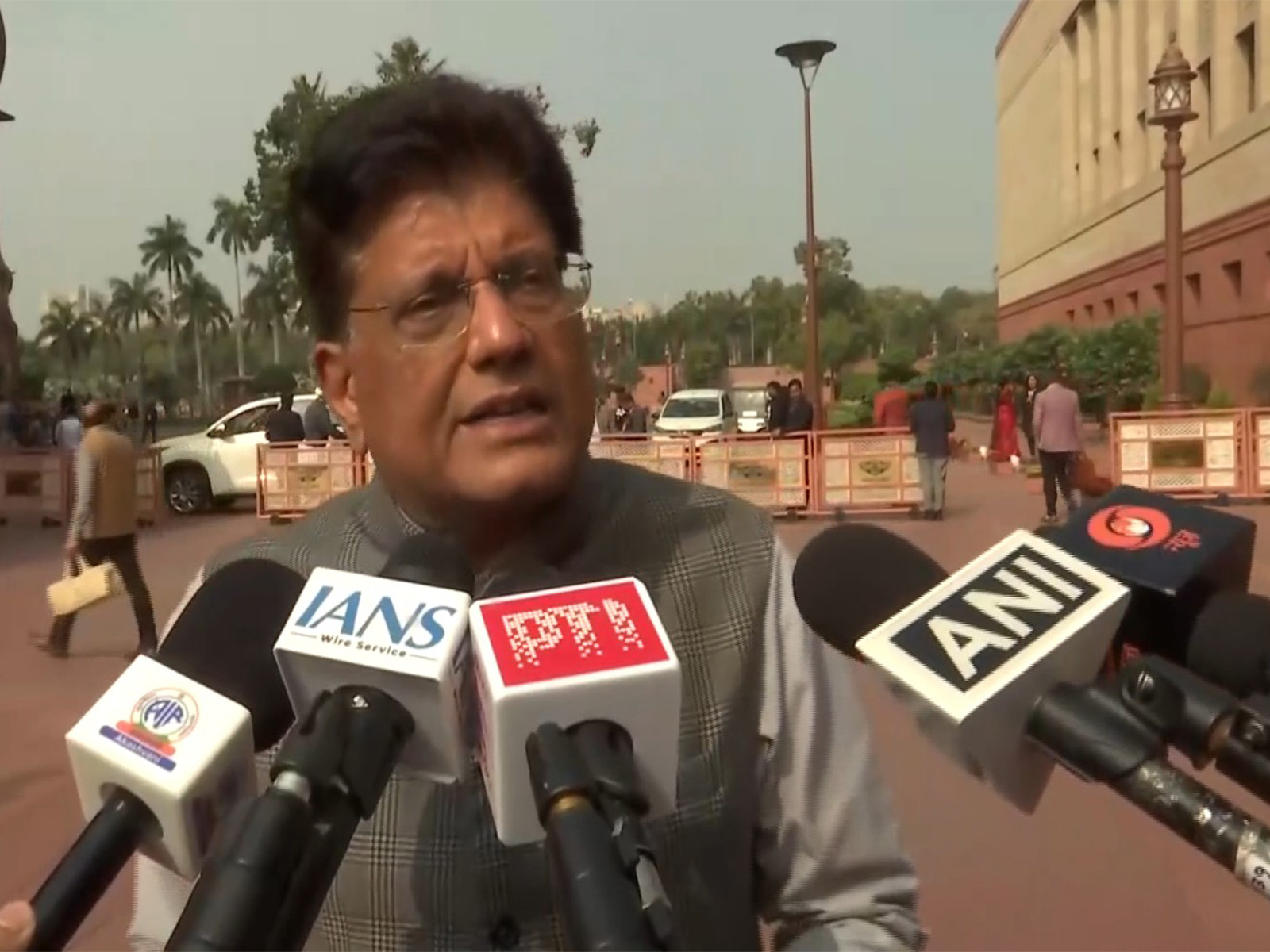
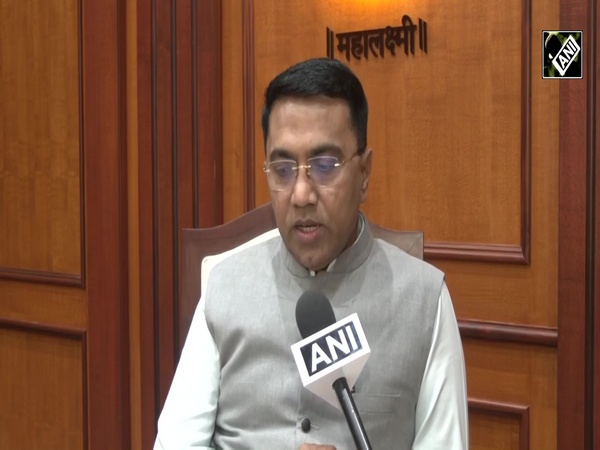
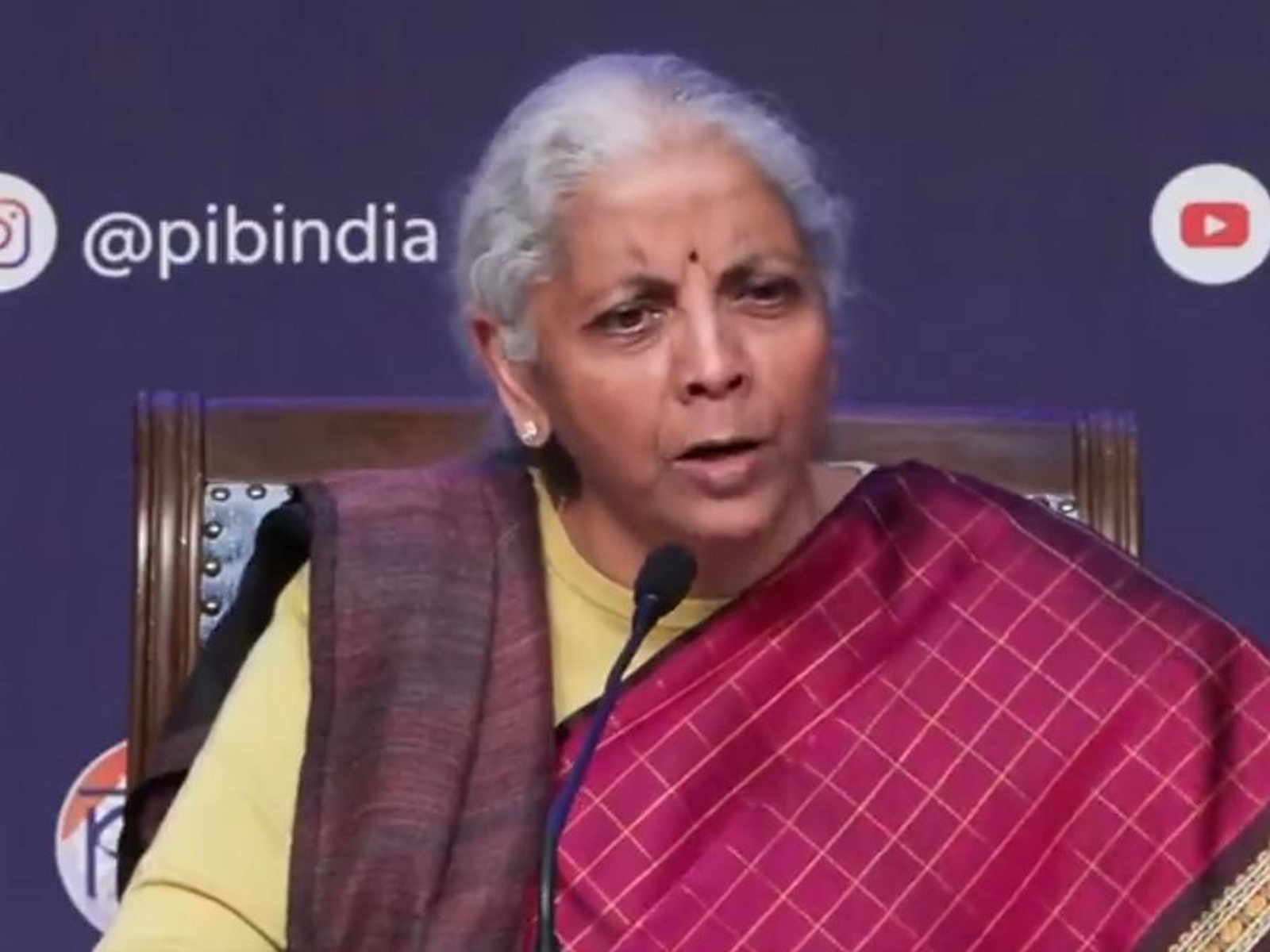
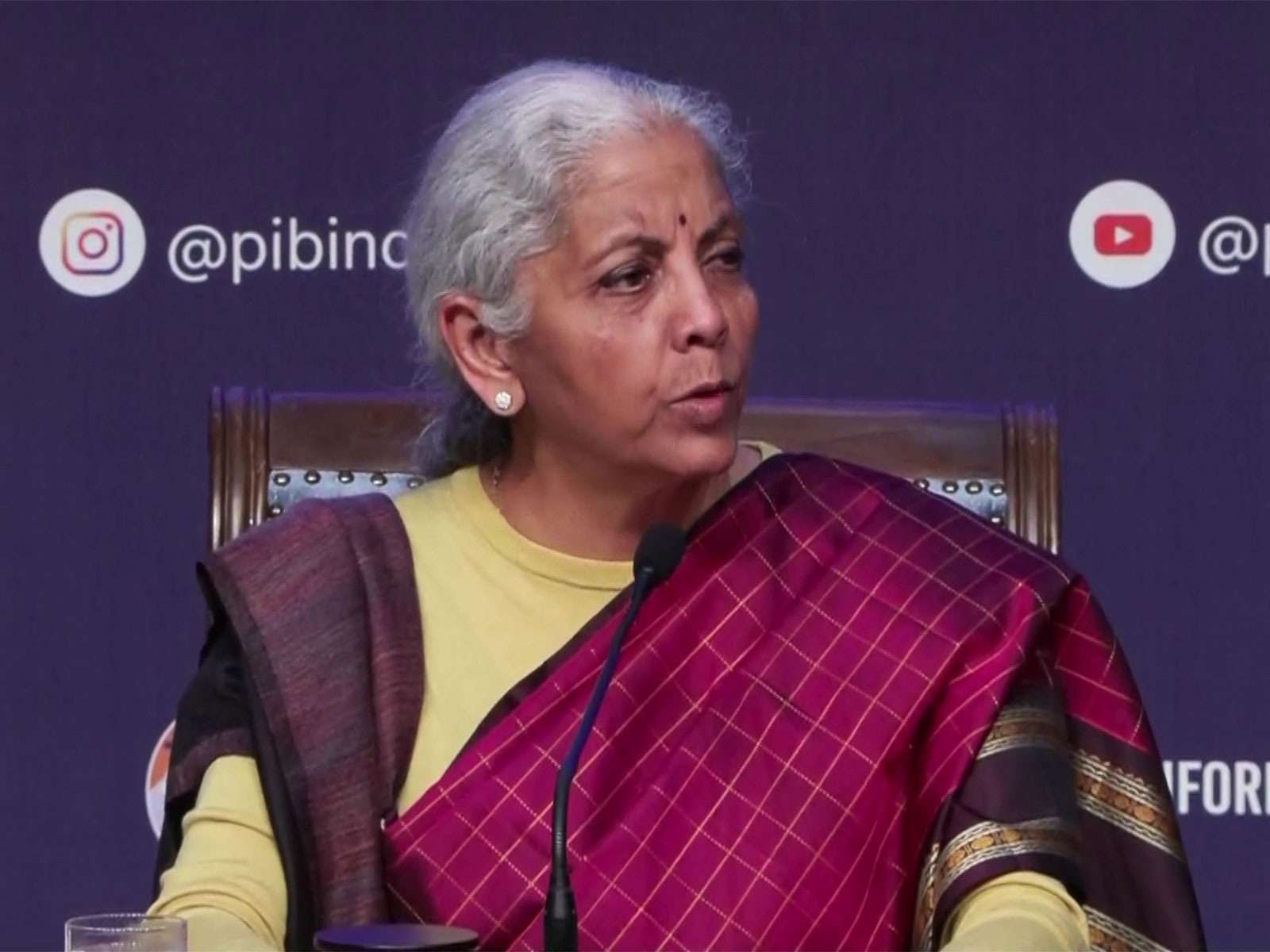
New Delhi [India], February 1 : Union Finance Minister Nirmala Sitharaman, in her customary post-Budget press conference on Sunday, said that the government is giving a push to the economy to maintain growth momentum.
"Primarily, we are looking at building the ecosystem with structural reforms, which will go on. Reforms have been carried out. We are continuing to do the reform activities. It will continue with an aim to make sure that we create enough environment for improving productivity and making sure employment is generated," she said, with all the secretaries in the Ministry of Finance alongside.
"21st century is completely driven by technology. So we will ensure that technology is brought in to benefit the common man...," she said.
Cities are India's engines of growth, innovation, and opportunities. The government now focuses on Tier II and Tier III cities, and even temple-towns, which need modern infrastructure and basic amenities. This Budget aims to further amplify the potential of cities to deliver the economic power of agglomerations by mapping city economic regions (CER), based on their specific growth drivers. An allocation of Rs 5000 crore per CER over 5 years is proposed for implementing their plans through a challenge mode with a reform-cum-results based financing mechanism.
"Rs 1000 crore per year per city is being given, and the emphasis is going to be largely on tier 2, tier 3 cities...," the FM said in the press conference.
The FM also highlighted two important aspects of the Budget with the Semiconductor Mission and the electronic component manufacturing scheme.
"Semiconductor mission had two major announcements that will improve the India stack and also the IP-related matters. The electronic components manufacturing scheme for Rs 40,000 crores is a major encouragement for electronics to become self-sufficient. We have also announced establishing rare earth corridors so that India can face and be able to meet its own requirements with its materials. So once we identify and are able to explore these minerals and process them, make them available for us, our dependency on external sources for bringing in the rare earths will be lesser and we've identified the states where we want to establish these rare earth corridors. They are going to be in Odisha, Kerala, Andhra Pradesh and Tamil Nadu. So these are very important developments and they are going to have multiple, decadent uh impact on the Indian economy. Our dependence on magnets and rare earths will be brought down," she said.
In the Budget for 2026-27, the non-debt receipts and the total expenditure are estimated at Rs 36.5 lakh crore and Rs 53.5 lakh crore respectively. The Centre's net tax receipts are estimated at Rs 28.7 lakh crore.
The gross market borrowings are estimated at Rs 17.2 lakh crore and the net market borrowings from dated securities are estimated at Rs 11.7 lakh crore. The Revised Estimates of the non-debt receipts are Rs 34 lakh crore of which the Centre's net tax receipts are Rs 26.7 lakh crore. The Revised Estimate of the total expenditure is Rs 49.6 lakh crore, of which the capital expenditure is about Rs 11 lakh crore.
The fiscal deficit in BE 2026-27 is estimated to be 4.3 percent of GDP. In RE 2025-26, the fiscal deficit has been estimated at par with BE of 2025-26 at 4.4 percent of GDP.
The debt-to-GDP ratio is estimated to be 55.6 percent of GDP in BE 2026-27, compared to 56.1 percent of GDP in RE 2025-26.