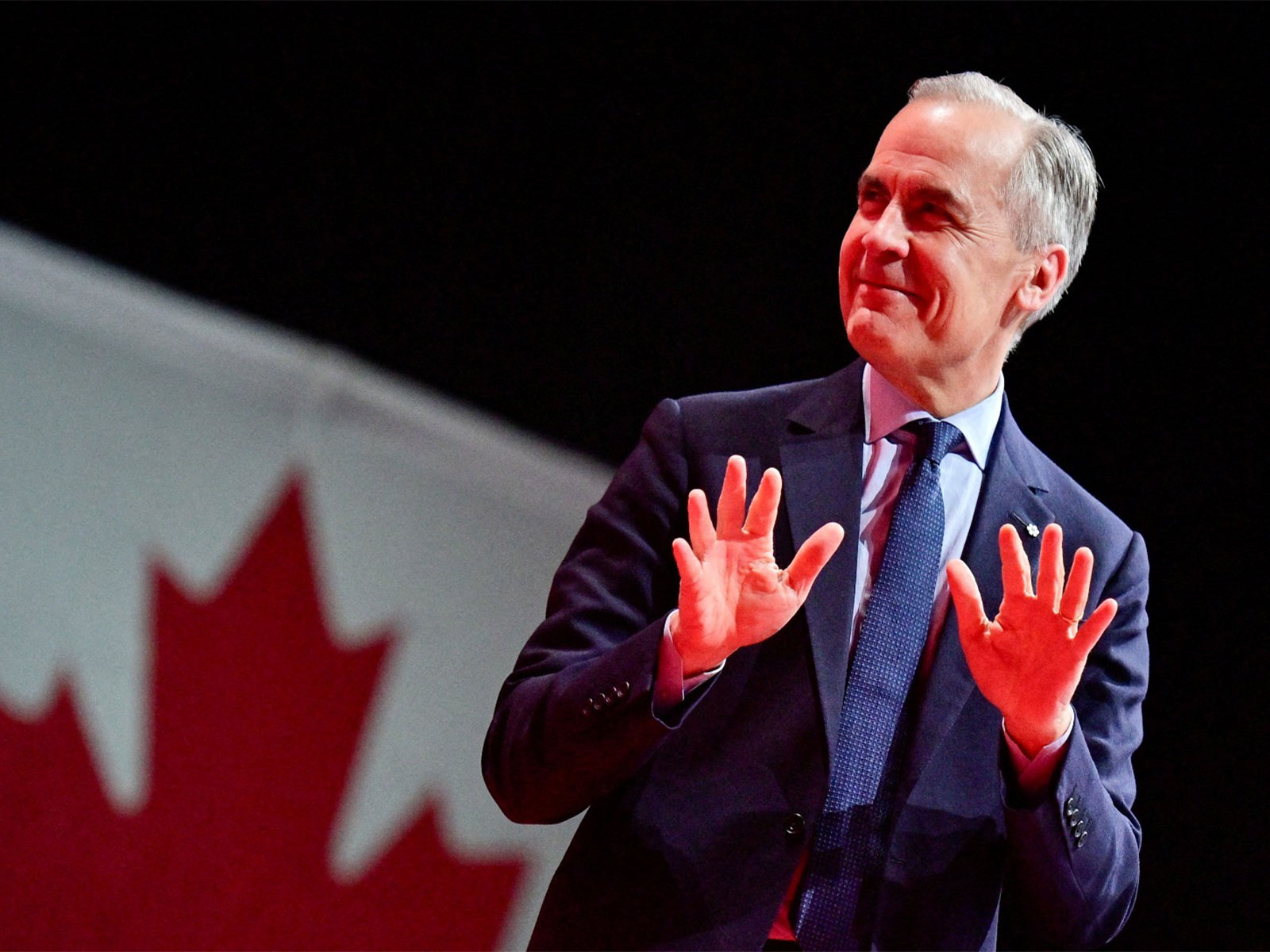
Canadian PM Carney urged to prioritise human rights during China visit: HRW
Jan 11, 2026
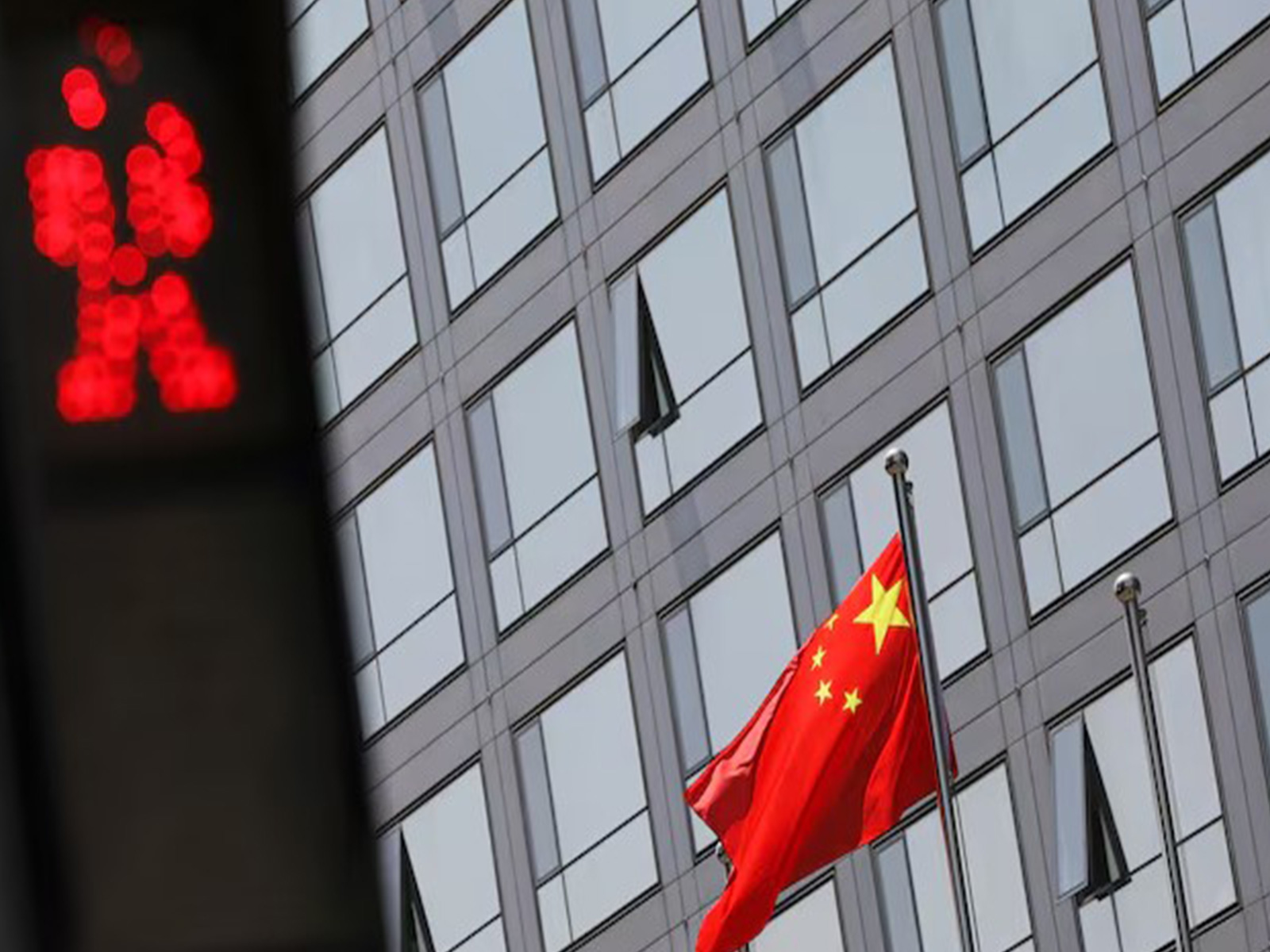
Ottawa [Canada], January 11 : Canadian Prime Minister Mark Carney should make human rights a central element of his upcoming visit to China from January 13 to 17, 2026, Human Rights Watch (HRW) has said.
The visit marks the first trip by a Canadian prime minister to China in more than eight years, amid strained bilateral relations following years of intensified repression by the Chinese government, as cited by the HRW report.
According to HRW, relations between the two countries deteriorated significantly after China detained two Canadian citizens between 2018 and 2021 in apparent retaliation for Canada's arrest of a Huawei executive.
The organisation warned that Beijing's deepening repression not only threatens the rights of Chinese citizens but also poses risks to Canada's broader interests.
"Prime Minister Carney should recognise that the Chinese government's deepening repression threatens not just the rights of people in China but, increasingly, Canada's core interests and values," said Maya Wang, HRW's deputy Asia director, as cited in the report. She emphasised that engagements on trade and security should align with Canada's commitment to human rights.
HRW outlined several key issues it believes Carney should raise during the visit. These include concerns over forced labour linked to Chinese supply chains, the persecution and detention of human rights defenders, Beijing's targeting of critics abroad, including in Canada, and the sale of China-made drones to Russia, which have allegedly been used in attacks against civilians in Ukraine.
The HRW report highlighted that Canadian law prohibits the import of goods produced using forced labour, while extensive documentation links forced labour in China, particularly involving Uyghurs and other Turkic Muslim communities, to global supply chains.
Rights groups, the United Nations, and HRW have previously reported crimes against humanity in Xinjiang. HRW urged Carney to press China to end repression in Xinjiang and comply with international labour conventions it has ratified.
Beyond Xinjiang, HRW pointed to broader labour rights violations in China, including bans on independent unions, detention of labour activists, and suppression of labour monitoring groups. "Canadians shouldn't have to worry about purchasing products tainted by forced labour," Wang said in the report.
The organisation also stressed that human rights concerns affect Canadians in Hong Kong, where an estimated 300,000 nationals reside. It noted that fundamental freedoms have been severely curtailed under Beijing's national security laws, citing the conviction of media figure Jimmy Lai in December 2025. HRW urged Carney to call for Lai's release.
Additionally, HRW warned about China's increasing use of "transnational repression" to target critics abroad, including in Canada, and called on Carney to address the issue directly with President Xi Jinping. The report also urged him to press China to prevent its drone companies from supplying equipment used in unlawful attacks in Ukraine.
"The Chinese government's abuses fall hard on the people of China, but they also affect people around the world," Wang said, as cited by HRW. "During his visit, Prime Minister Carney shouldn't squander his opportunity to use diplomatic channels to raise human rights concerns."