Capex stays king as Budget FY27 balances growth with deficit control: EY Report
Dec 23, 2025
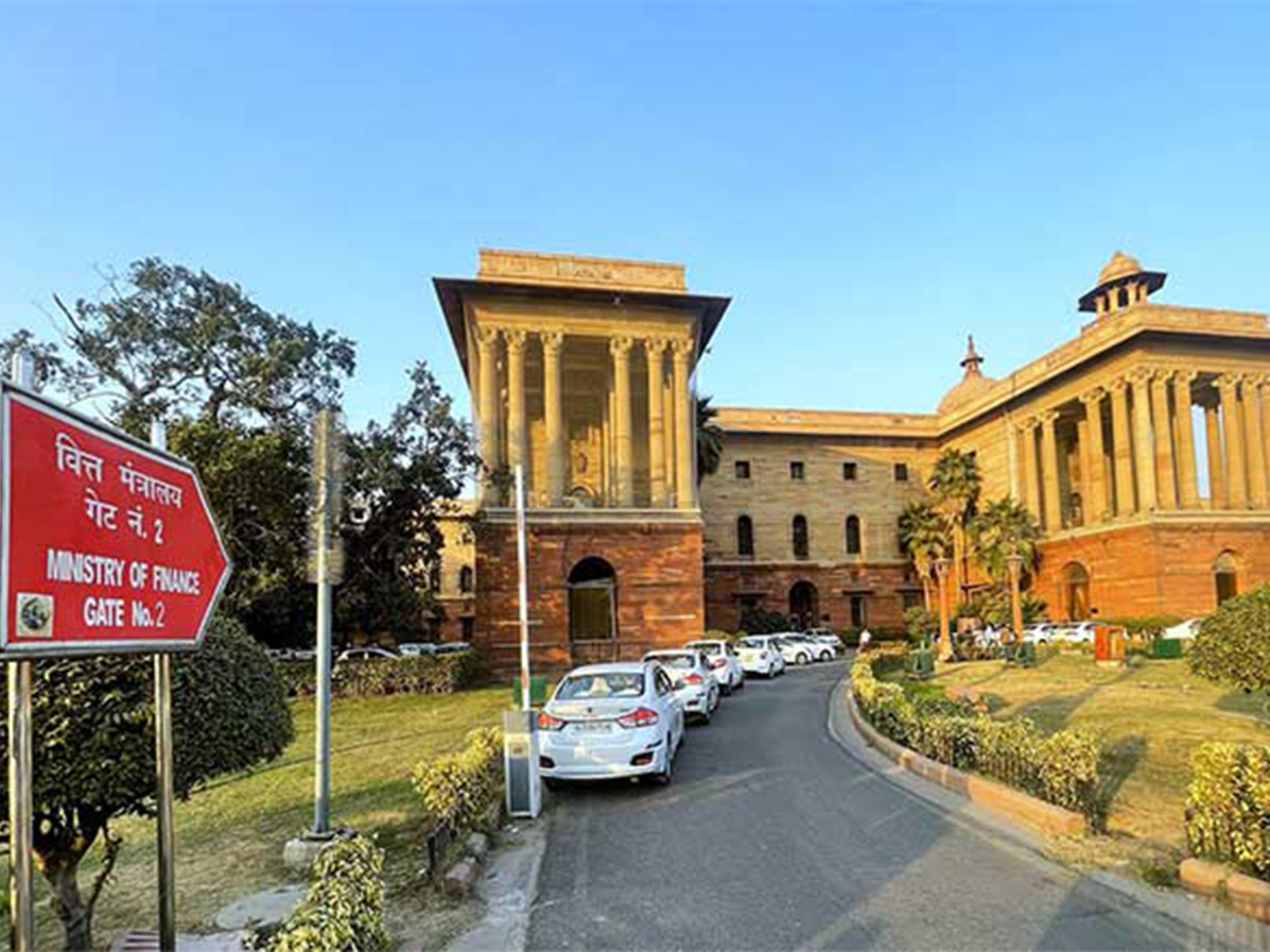
New Delhi [India], December 23 : As the government prepares to present the Union Budget for the Financial Year 2027, the broad contours of fiscal strategy are coming into focus namely support growth through capital spending, while staying firmly committed to deficit reduction, said a report by EY.
EY in its Economy Watch - Monitoring India's macro-fiscal performance, said India enters the Budget season on a strong economic footing.
Real GDP grew 8.2% in Q2 FY26, driven by balanced expansion in manufacturing and services, while inflation has fallen to a near-record low of 0.7%, giving policymakers room to prioritise growth without stoking price pressures, it highlighted.
According to EY, the government is likely to double down on public capital expenditure as its primary growth lever in FY27.
Capital spending rose 32.4% during April-October FY26, even as revenue expenditure was tightly contained at near-zero growth.
Sustaining 15-20% annual growth in capex will be critical for maintaining medium-term GDP growth of 6.5% or higher, particularly as global trade uncertainties continue to weigh on net exports.
Notably, GoI's total expenditure grew by 6.1% during April-October FY26, with a growth in revenue expenditure at 0.03% and that in capital expenditure at 32.4%.
As per the Controller General of Accounts (CGA), GoI's gross tax revenues (GTR) showed a growth of 4.0% during April-October FY26, much lower than 10.8% during the corresponding period of FY25. This was on account of a subdued growth in both direct and indirect taxes.
"Despite the growth push, the government's fiscal space remains constrained. Gross tax revenue growth has slowed to 4% in the first seven months of FY26, with tax buoyancy falling well below budgeted assumptions," EY said in its report.
EY expects the government to adhere to the FY26 fiscal deficit target of 4.4% of GDP, helped by strong non-tax revenues, expenditure restraint, and recent revenue-enhancing measures such as higher excise duties on tobacco and new cesses.
For FY27, the fiscal roadmap is expected to remain intact, with the deficit likely to be reduced further in line with the medium-term consolidation path toward the Fiscal Responsibility and Budget Management (FRBM) target.