CAQM forms expert committee to develop strategies for abatement of air pollution caused by vehicular emissions in Delhi-NCR
Dec 12, 2025
New Delhi [India], December 12 : Keeping in view the urgent necessity to develop strategies for abatement of air pollution caused by vehicular emissions in Delhi-NCR, Commission for Air Quality Management (CAQM) in NCR and adjoining areas has constituted an Expert Committee in the Chairmanship of IIT Madras Professor Ashok Jhunjhunwala.
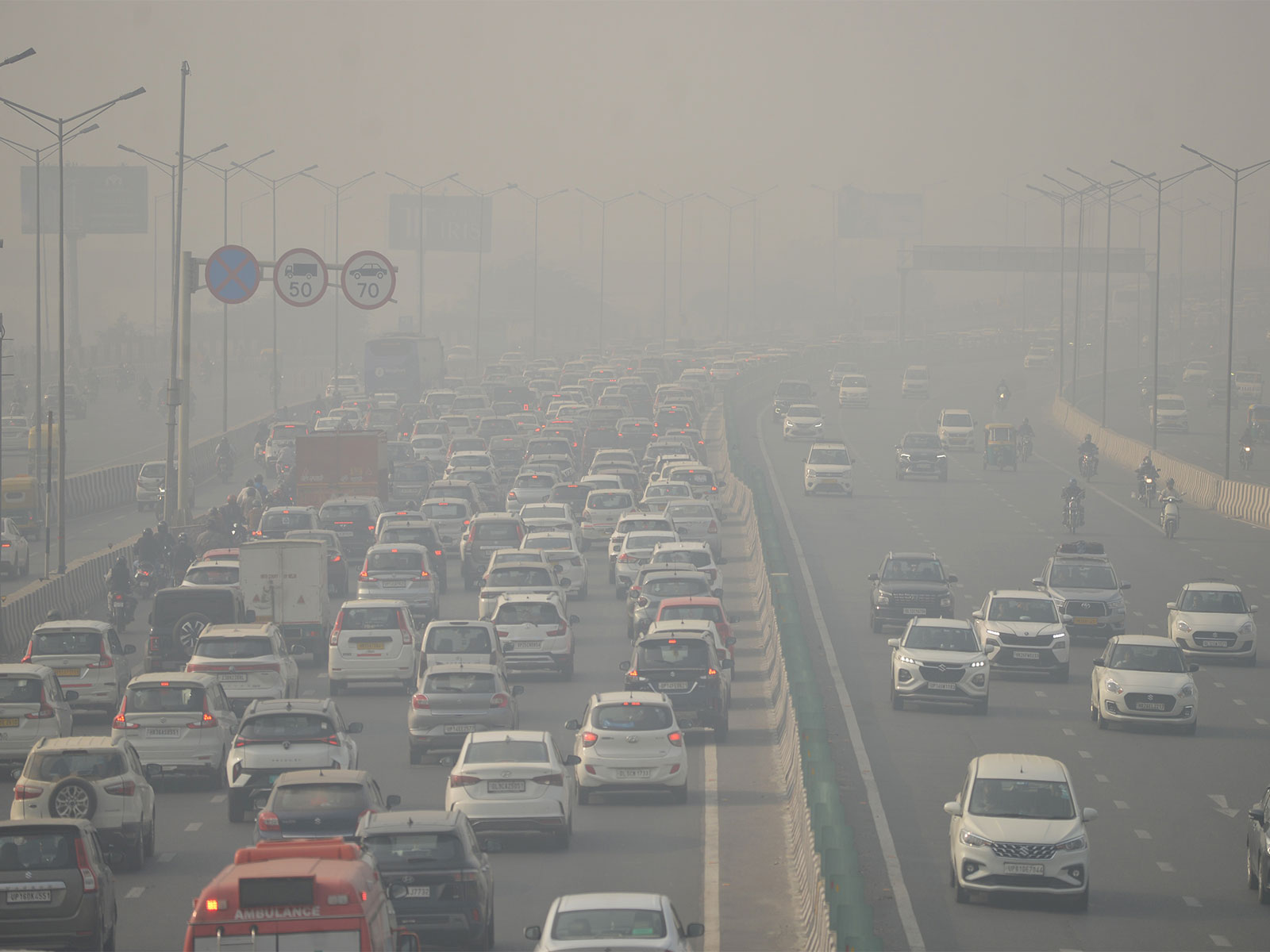
According to an official release, vehicular emissions remain a major contributor for air pollution in Delhi-NCR, aggravating PM2.5, Nitrogen Oxides (NOx), Carbon Monoxide (CO) and Volatile Organic Compound (VOC) emissions. This poses serious public-health challenges in the region.
"The Expert Committee brings together leading academicians, health specialists, automotive research institutions and other experts in the field to recommend a robust, multi-pronged roadmap for emission reduction in the vehicular sector," it said.
IIT Madras Professor Ashok Jhunjhunwala chairs the committee, while it is co-chaired by Randeep Guleria, Former Director of AIIMS Delhi.
IIT Kanpur Professor Mukesh Sharma; Founder of Lung Care Foundation Dr. (Prof.) Arvind Kumar; IIT Delhi Prof. Sagnik Dey; Niti Aayog Adviser Archana Mittal; ARAI Pune Director Dr. Reji Mathai; Saurabh Dalela, Director, ICAT, Manesar; Dr Arunabha Ghosh, CEO, CEEW, New Delhi; Anumita Rowchaudhary, Executive Director, CSE, New Delhi; Amit Bhatt, Managing Director, ICCT, New Delhi; Dr. Anju Goel, Associate Director, TERI, New Delhi; Dr. Virinder Sharma, Member Technical, CAQM; Representative of MoRTH not below the rank of Joint Secretary and Representative of MHI not below the rank of Joint Secretary are members of the committee.
The Committee will review policies, programmes and regulatory frameworks related to clean mobility, including BS norms, electric mobility initiatives and fuel-efficiency standards across Delhi-NCR; assess segment-wise contributions of vehicular emissions and related exposure risks and recommend regulatory measures for reduction in vehicular emissions.
"It will also examine technological readiness, infrastructural requirements, cost implications and incentive plans for an accelerated Electric Vehicle (EV) transition across vehicle segments and recommend additional measures, as deemed necessary, for abatement towards air pollution caused by vehicular transport," the release stated.
The Expert Committee will submit its recommendations within a period of two months. The Committee may also consult the stakeholders and furnish interim recommendations. The Expert Committee can also co-opt additional experts or institutions as deemed necessary. The first meeting of the Committee will take place on December 15.
The constitution of this Expert Committee will advance evidence-based policy action for improving air quality and safeguarding public health in Delhi-NCR.