Carney's China stance on Uyghur forced labour draws criticism: HRW Report
Apr 02, 2026
Ottawa [Canada], April 2 : Canadian Prime Minister Mark Carney's reluctance to explicitly denounce forced labour in China could weaken international pressure on Beijing to halt its repression of ethnic Uyghurs, according to a Human Rights Watch (HRW) report.
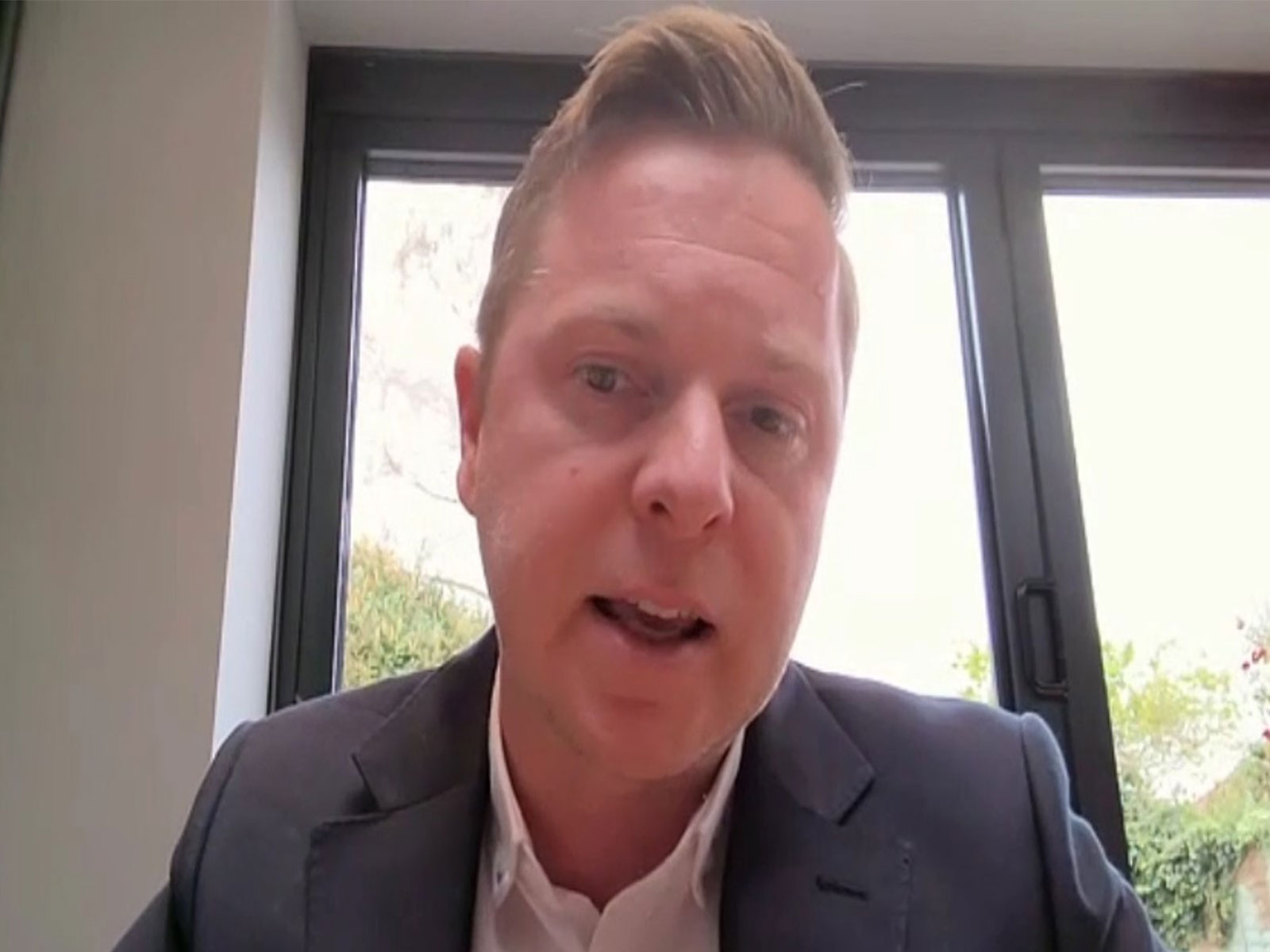
Responding to remarks by Member of Parliament Michael Ma, who questioned reports of forced labour in China, Carney told the media on March 30 that Canada "takes issues of forced labour and child labour incredibly seriously." However, when directly asked whether forced labour exists in China, Carney stated only that "there are parts of China that are higher risk," as cited in the report by Human Rights Watch.
The report noted that Carney's comments overlook extensive and well-documented evidence of state-sponsored forced labour involving Uyghurs and other Turkic Muslim communities across China's supply chains, including sectors such as cotton, automotive manufacturing, solar energy, and critical minerals. For several years, the United Nations, Human Rights Watch, and other organisations have reported that Chinese authorities have committed crimes against humanity in the Xinjiang region. It further added that Carney's stance departs from earlier positions taken by the Canadian government, including a January 2021 advisory from Global Affairs Canada warning businesses about forced labour risks in Xinjiang.
Carney further asserted that Canada maintains "the most rigorous set of engagements" on issues related to child and forced labour. However, the report stated that his government has not effectively enforced laws banning imports produced through forced labour, nor has it advanced proposed supply chain due diligence legislation partly modelled on European Union frameworks.
It also pointed out that Canada's import restrictions do not include a presumption that goods produced in Xinjiang are tied to forced labour and therefore prohibited, an approach adopted by the United States under the Uyghur Forced Labour Prevention Act. The report added that US authorities recently launched a review of forced labour import controls in 60 countries, including Canada.
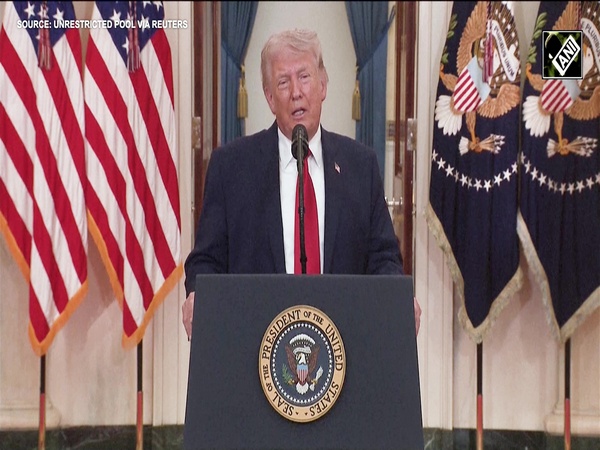
Amid rising tensions with US President Donald Trump, Carney has been seeking to deepen Canada's economic ties with China as part of efforts to diversify trade. However, the report cautioned that any such shift must prioritise human rights. Failing to do so, it warned, could contribute to the growth of a "low-rights" economic environment, posing increased risks to Canadian businesses, security, and governance standards.
The report concluded that as Prime Minister Carney navigates Canada's role in an evolving multipolar global order, he should ensure that the country's foreign and trade policies remain firmly rooted in human rights principles, including by clearly condemning the use of forced labour against Uyghurs.