"Ceasefire without talks on Iran's nuke program a hoax," says former Mos External Affairs MJ Akbar
Apr 08, 2026
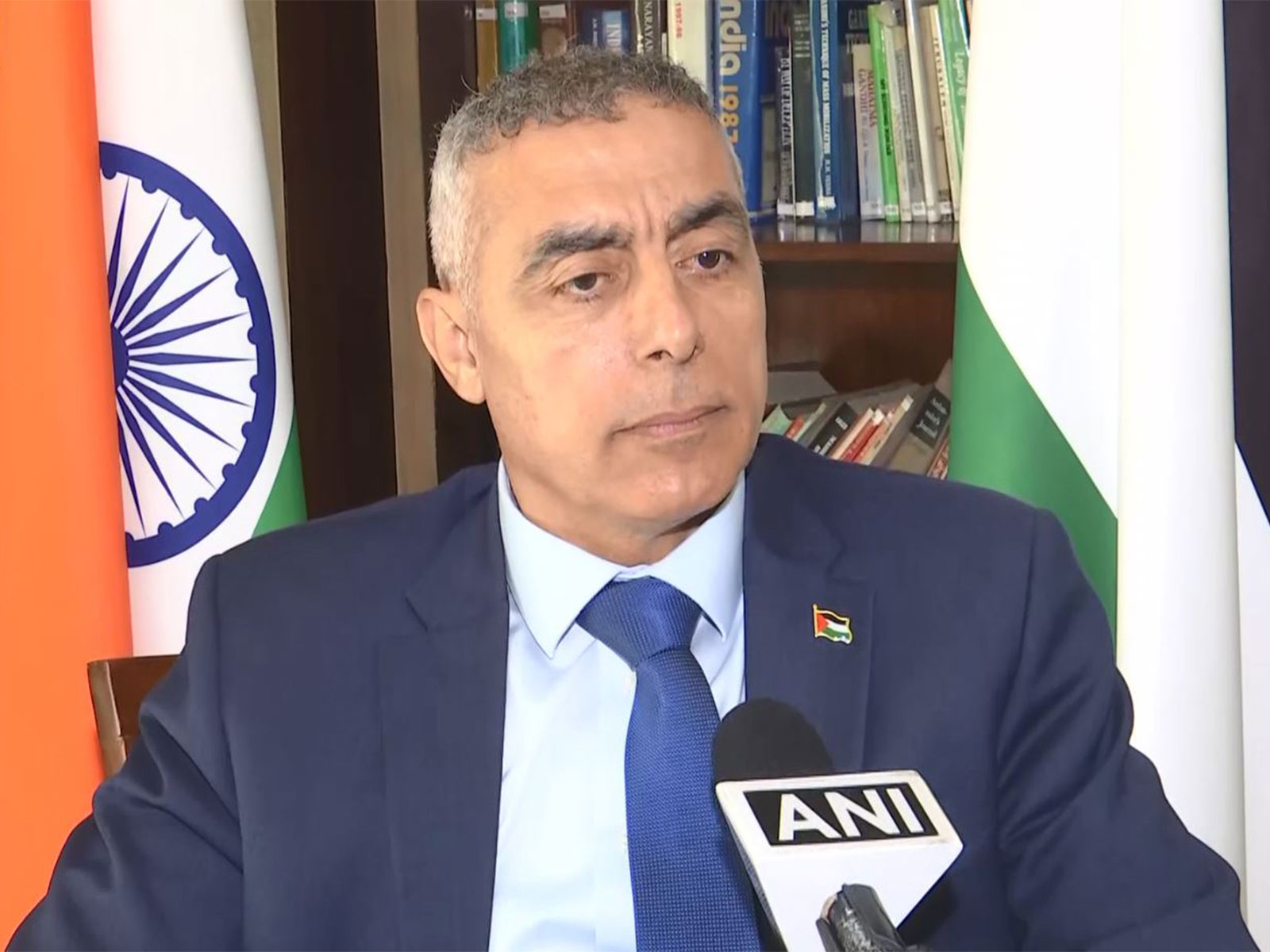
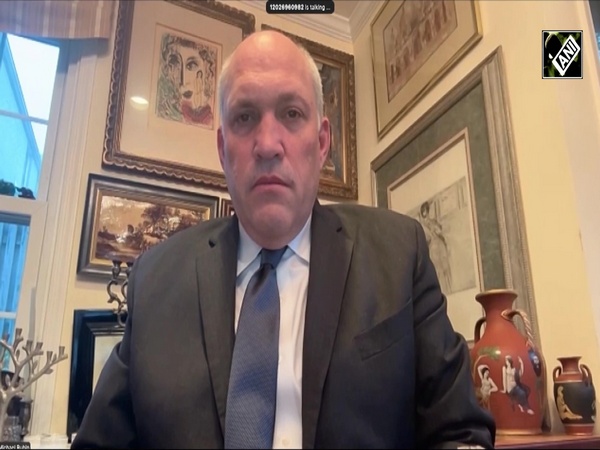
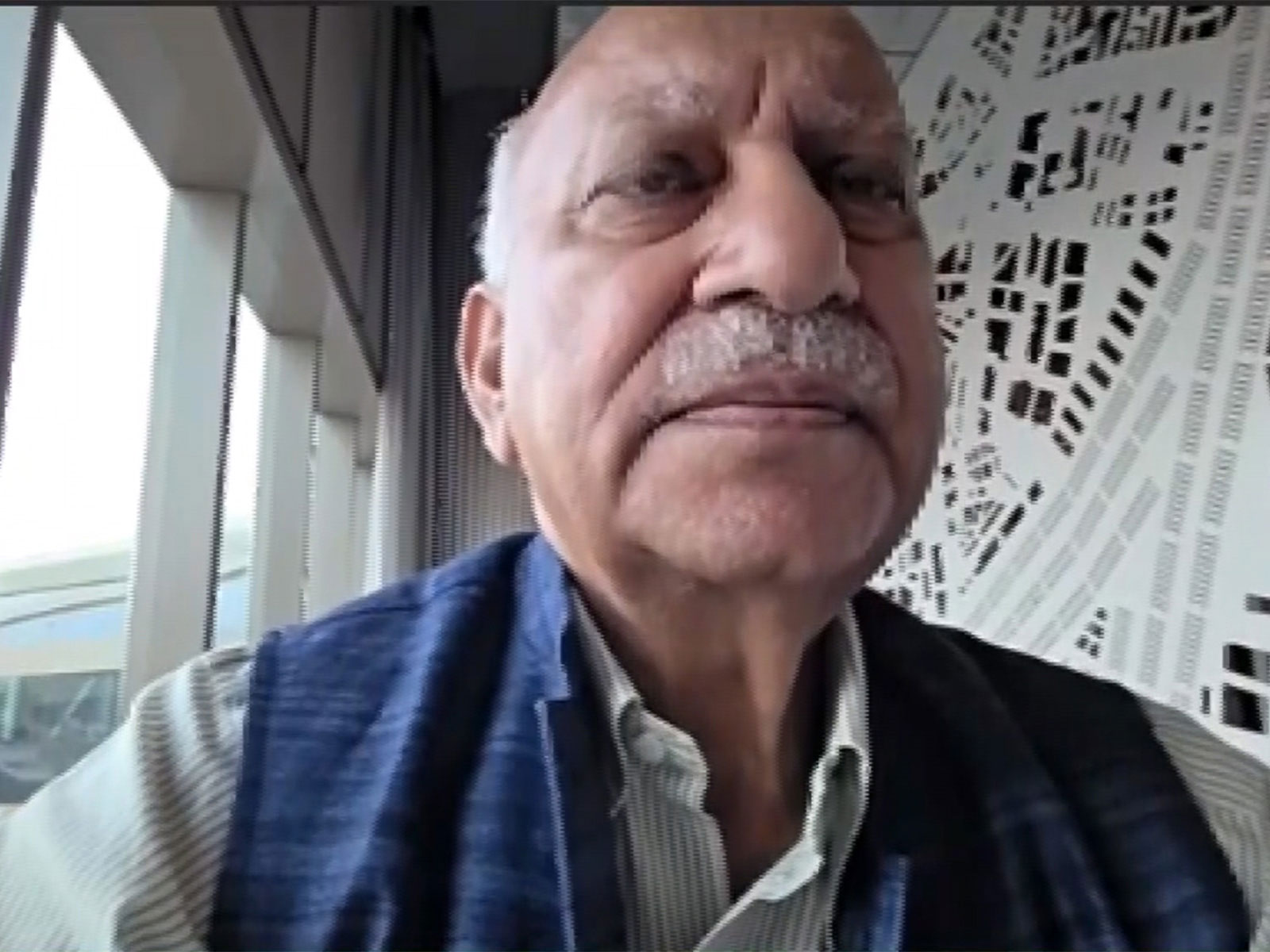
Mumbai (Maharashtra) [India], April 8 : MJ Akbar, Former Union MoS for External Affairs said that Iran's nuclear program is the eye of the storm in the US-Iran war, and if the ceasefire was announced without taking it into consideration, it's a hoax.
Akbar, while talking to ANI, said that the war was an exercise in political hysteria for purposes that are not fully comprehensible.
"I do not believe that a ceasefire could have been announced without a broad agreement on key factors. Obviously, Iran's nuclear program has to be one of the major factors, because if you don't have agreement on that, then this is a hoax. The point of fact is that one day before this war began, America and Iran had agreed even on the language, which leaves the world perplexed as to what this war was about. If on the eve of the war you had accepted an agreement in which Iran had also accepted America's language, then the war was an exercise in political hysteria for purposes that are not fully comprehensible," he said.
Akbar further said that Israel has no option except to listen to America.
"Israel has no option except to listen to America. Israel has suffered greatly in this war. Never before in Israel's history have its cities been hit like this. Never before has the chief of the IDF told the security cabinet that the army is exhausted and needs 100,000 more conscripts because it is fighting on two fronts. Never before have Israeli arsenals diminished to this extent; some estimates say they have used up 70 to 80 percent of their missiles. Most importantly, never has the jewel in its defence crown, Dimona, been hit. If the Iron Dome over Dimona has been pierced, penetrated, and ravaged, then that Iron Dome turns out to be very plastic indeed. Now that the war is over, the censorship is over. Israel is a democratic, free country, and the Israeli media will begin to hold its government accountable. The peace will lead to a great amount of political turmoil in both Israel and in America," he said.
Akbar further said that Pakistan was an effective 'postman' as Iran did not have direct communication with Israel.
"Pakistan was an effective "postman" because the real negotiations had to be between the principles. There was no space for a third-party view because both were defending core interests. Because Iran did not have direct communication to Israel, Pakistan was useful to the Americans," he said.
Akbar said that as per the military alliance with the US, Pakistan's loyalties lie with the US.
"You must always remember that America and Pakistan have a military alliance dating back to 1954. When it comes to strategic interests, Pakistan always has to first bow towards America. In the end, Pakistan has to listen. Therefore, it was almost a given that the Pentagon and the White House would trust Pakistan as a postman rather than any other country to convey messages during those 48 hours it took for the final deal to come through," he said.
Akbar further said that Iran has a long history of civilized governance, and one could see the strength of its bureaucracy.
"Eventually, Iran did negotiate and went public with its positions through its foreign affairs spokespeople. They did what they do well. Iran has a long history of civilized governance, and you can see the strength of its bureaucracy and system in a crisis. Iran has proved it has the capability to meet the humongous challenge of what at one point became an existential crisis," he said.
"Remember that President Trump, just before he switched to "President Peace," had promised to obliterate Iran and send it into the Stone Age. Every signal was sent that that was precisely what he intended to do. We now know that was perhaps the last bluff, but when you're at the receiving end, you can't take the risk that a superpower will not exercise what the president commands it to do," he added.
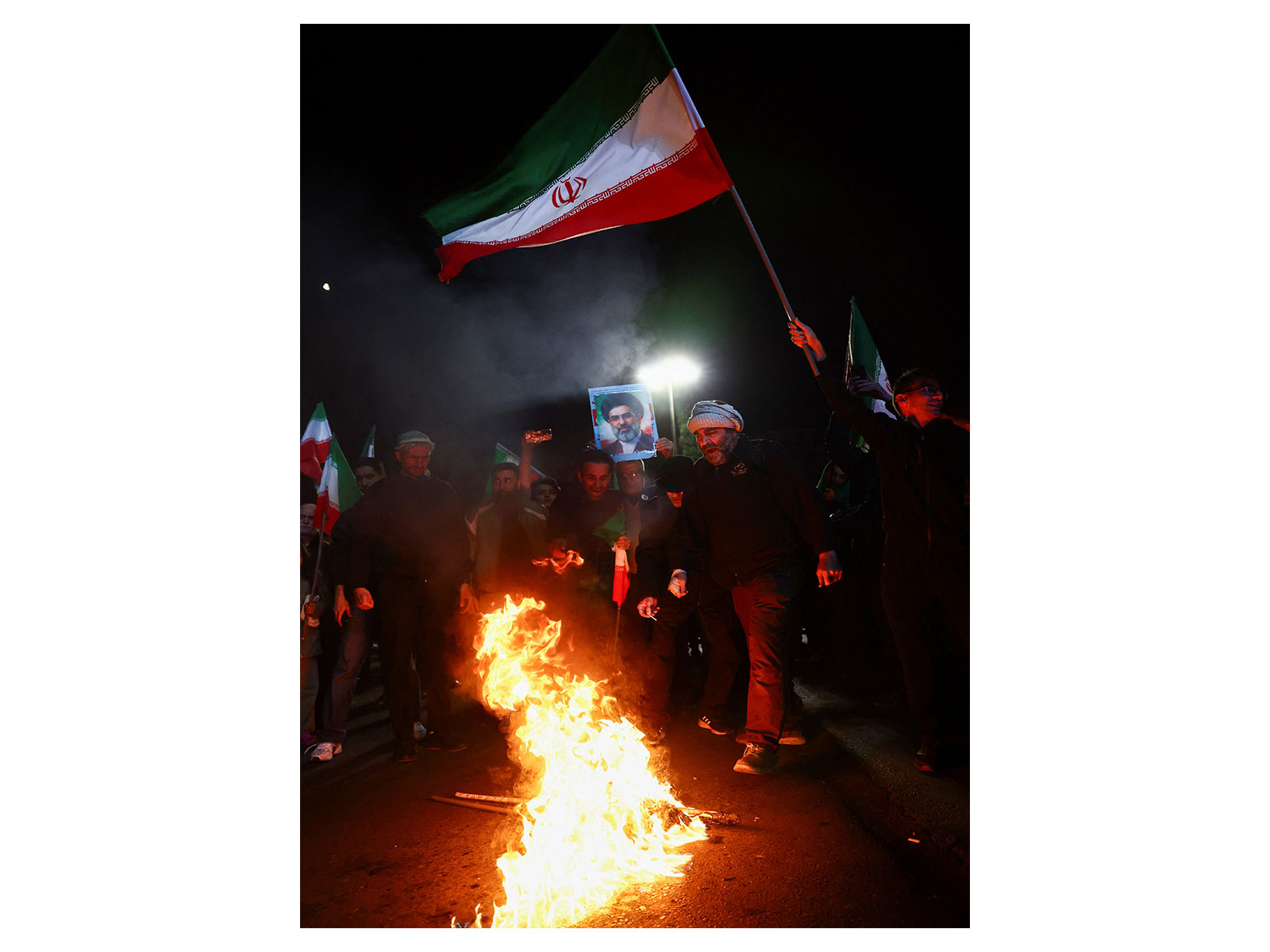
This comes after Trump suspended the "bombing and attack" campaign on Iran, announcing a two-week double-sided ceasefire and accepting the 10-point proposal from Iran. The Iranian side then accepted Trump's peace overture and agreed to safe passage via the Strait of Hormuz for two weeks, as well as a pause in military operations.