Chernobyl protective shield loses confinement ability after drone strike: IAEA
Dec 06, 2025
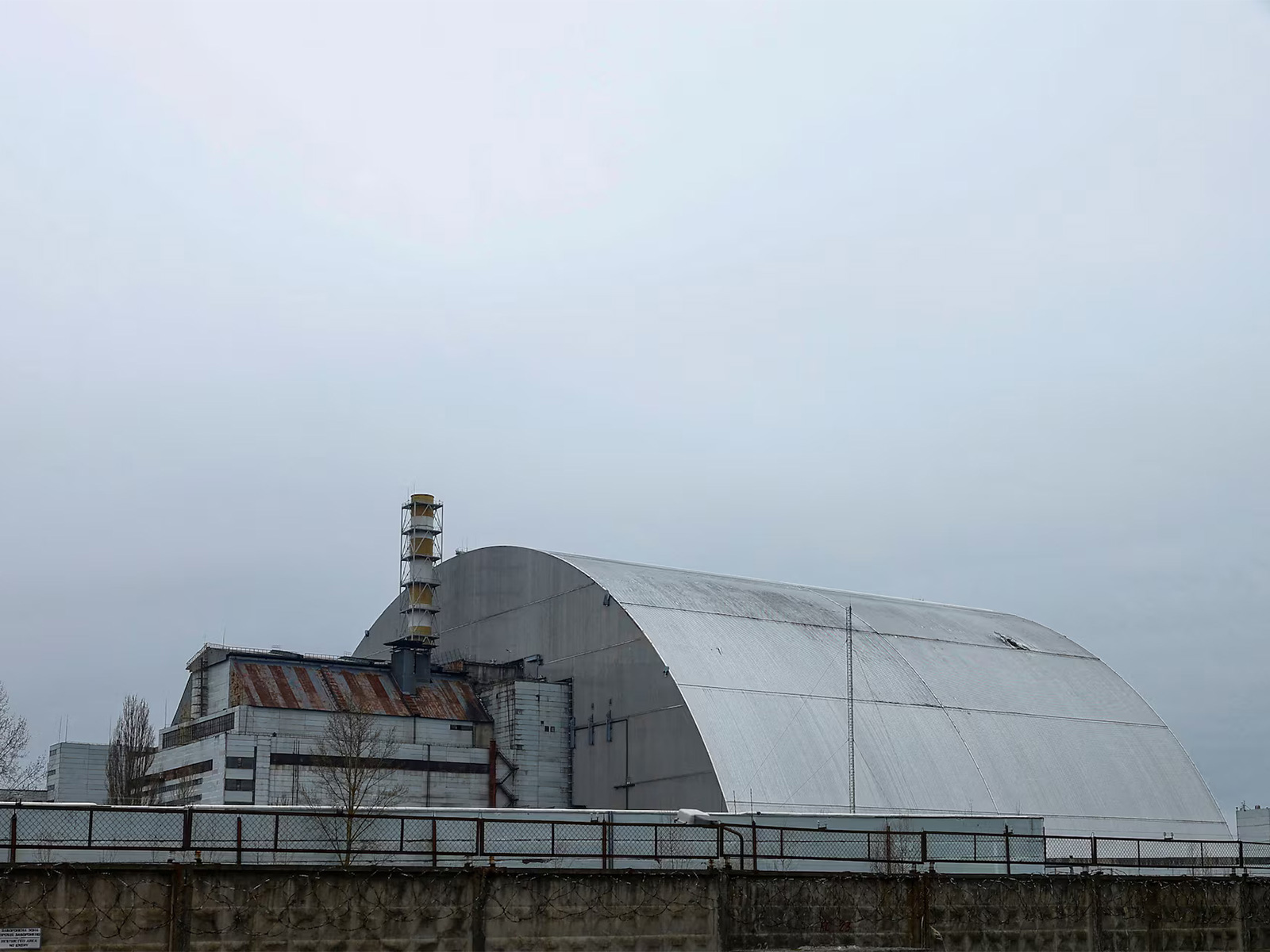
Kyiv [Ukraine], December 7 : The main barrier constructed to contain radioactive material at the Chernobyl nuclear accident site can no longer fully perform its task after a drone strike earlier this year, the International Atomic Energy Agency (IAEA) said.
The agency noted that the New Safe Confinement (NSC) was "severely damaged" during a February attack and has "lost its primary safety functions, including the confinement capability." Ukraine alleged that Russian forces were responsible for the February 14 incident, while the Kremlin rejected the charge.
The strike triggered a blaze and damaged exterior panels of the structure, originally installed to stabilise conditions at the site decades after the world's worst nuclear power plant disaster. The IAEA has called for extensive repairs to the steel enclosure, which was built to support clean-up operations and maintain safety almost 40 years after the 1986 reactor explosion.
"Limited temporary repairs have been carried out on the roof, but timely and comprehensive restoration remains essential to prevent further degradation and ensure long-term nuclear safety," IAEA Director General Rafael Mariano Grossi said.
Grossi stated there had been no lasting impact on support elements or monitoring equipment at the facility. The IAEA, which has personnel based at Chernobyl, will "continue to do everything it can to support efforts to fully restore nuclear safety and security," he added.
Chernobyl has remained a flashpoint during Russia's ongoing conflict in Ukraine. Russian troops entered the exclusion zone in the opening days of the full-scale invasion in February 2022, holding workers for several weeks before withdrawing and handing control back to Ukrainian staff.
The NSC is a large arch-shaped installation covering the damaged No. 4 reactor to contain hazardous material. Work commenced in 2010 and concluded in 2019.
Designed to remain functional for a century, the structure is considered the world's biggest movable land-based construction and has been vital to securing the site.
The project cost about 2.1 billion in European currency and was funded by more than 45 international donors through the Chernobyl Shelter Fund, which development banks described as one of the most significant joint nuclear safety initiatives ever undertaken.
The April 26, 1986 explosion in the No. 4 reactor, then part of the Soviet Union, sent radioactive material across large areas of Ukraine, Belarus, Russia and beyond.
Over 30 people died in the nearby city of Pripyat, and many more have suffered long-term health effects due to radiation exposure, with elevated rates of cancer and birth defects still reported in affected regions, according to global health organisations.