Chhattisgarh: PM Modi promoted tribal culture, commercialised forest resources through branding, says Amit Shah
Feb 09, 2026
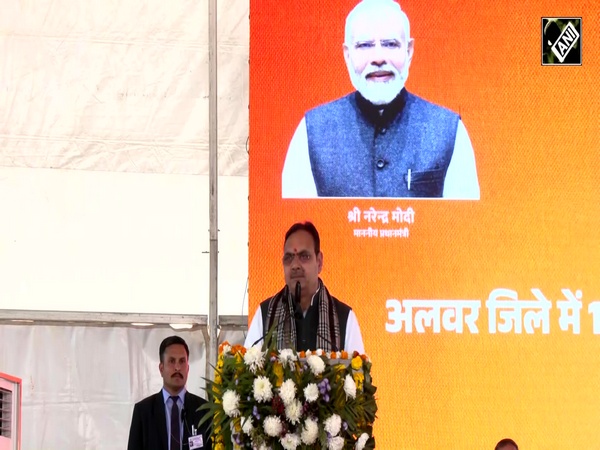
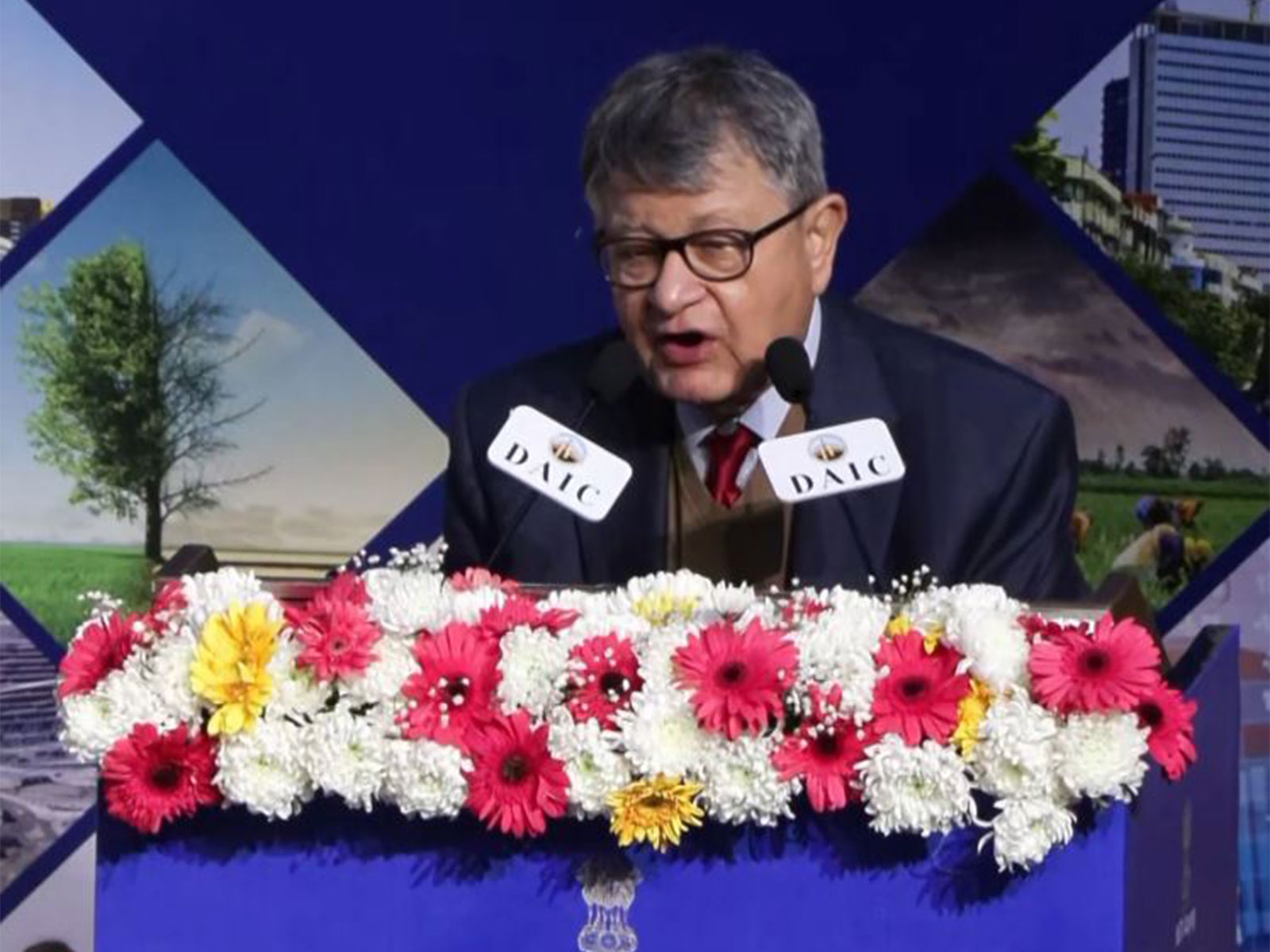
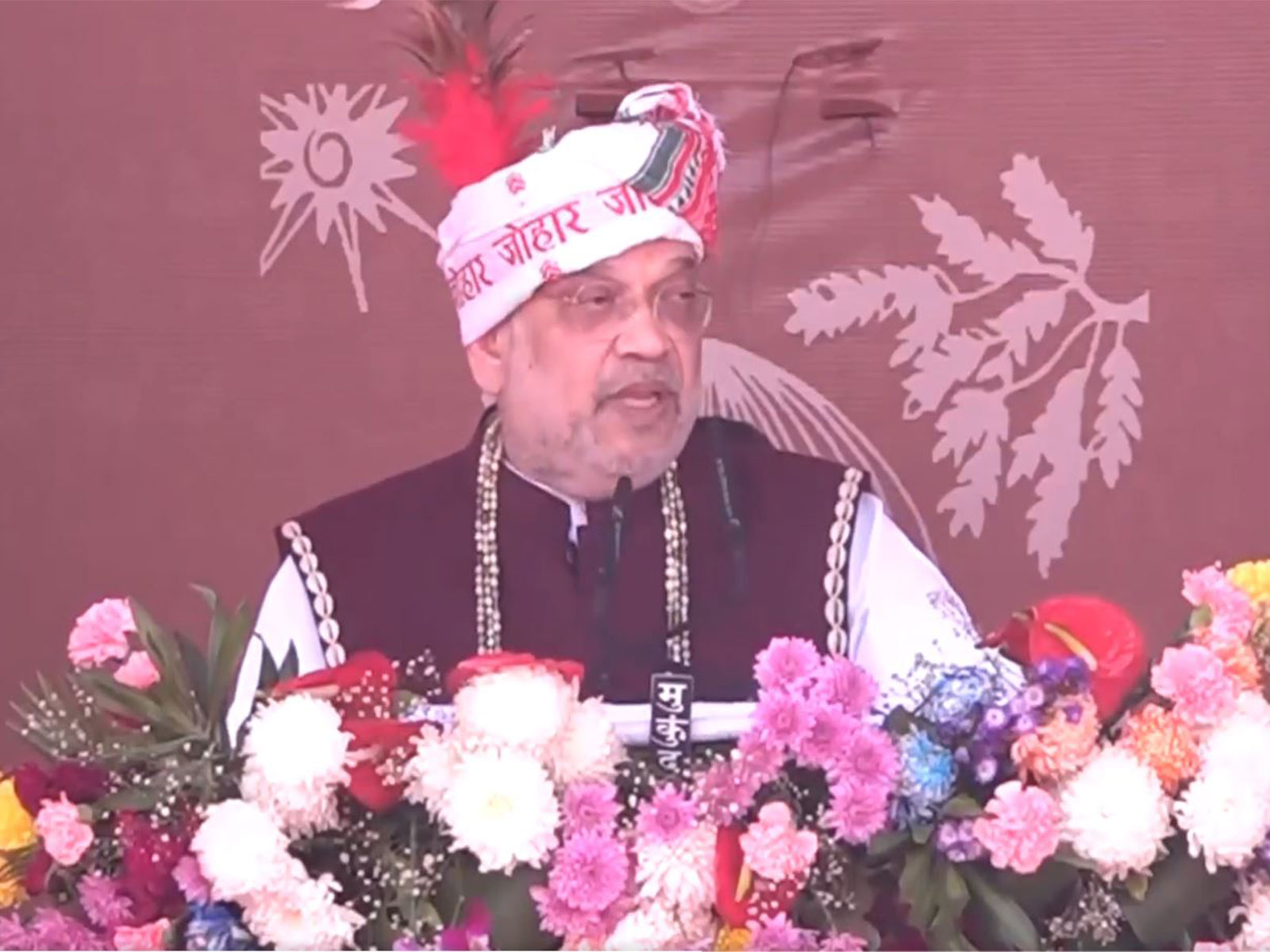
Jagdalpur, Bastar (Chhattisgarh) [India], February 9 : Union Home Minister Amit Shah on Monday praised Prime Minister Narendra Modi's sustained efforts towards tribal empowerment, cultural revival and economic self-reliance while addressing the closing ceremony of the Bastar Pandum Festival in Chhattisgarh's Bastar district.
Speaking on the last day of the festival, Shah highlighted the Centre's initiatives to promote and commercialise tribal products and traditions, stating that the celebration of the 150th birth anniversary of Bhagwan Birsa Munda as Janjatiya Gaurav Divas marked a significant step in recognising the contribution of tribal communities to the nation.
"...The 150th anniversary of Bhagwan Birsa Munda was celebrated across the country as Janjatiya Gaurav Divas. PM Modi promoted tribal culture, food, and heritage, also channelised and commercialised forest resources through branding and marketing of tribal products...," Amit Shah said.
The Union Home Minister noted that these efforts have brought tribal traditions to the forefront while creating livelihood opportunities for tribal communities.
Meanwhile, the Bastar Pandum Festival, organised by the Chhattisgarh government, witnessed large public participation and showcased the rich tribal heritage of the Bastar region. The event featured traditional handicrafts, tribal art forms, folk costumes, indigenous food items, and local forest-based products, drawing visitors from across the state and beyond.
The festival was inaugurated by President Droupadi Murmu and showcased Bastar's cultural legacy through exhibitions of handicrafts, traditional cuisine and vibrant performances of tribal dances and folk songs.
Somaru Ram Kawasi, a member of the judging panel responsible for evaluating traditional food items, told ANI that the festival played a crucial role in preserving authenticity.
"There's a dish here, a kind of fermented drink that we call 'kal' here, and in Dhurua, they call it 'mel'. All the traditional dishes that are made in the village and are authentic are being given a number here," he said.
Emphasising the importance of preserving age-old food traditions, Kawasi added, "It feels great because it's our old tradition. The dish made with just salt, chilli, and tamarind, without any oil, tastes delicious. It's made with rice and flour," he said.
Participant Nisha Nag shared that Bastar Pandum provided a platform to revive forgotten culinary traditions.
"We have more than 40 types of beverages here... We have brought 10 types of traditional porridges... I am very grateful to Bastar Pandum. These items were consumed previously. We are now able to eat them and showcase them here. They are still alive and well, but some have become extinct. Through Bastar Pandum, with the help of the district administration and the state government, we have the opportunity to showcase them again," she said.
Folk artist Shanu Markandey thanked the Tribal Development Department for promoting Bastar's cultural heritage.
"I want to thank the Assistant Commissioner of the Tribal Development Department for inviting us to such a grand platform. The 5-minute performance we gave was a blend of our Bastar culture. It included prayers to our revered Mother Goddess Danteshwari, devotional and folk songs, and concluded with the Chherchera festival, a prominent festival in Bastar," he said.
Markandey further stressed the need for sustained institutional support to preserve fading traditions and involve researchers working in the Bastar region to document and promote tribal culture.
"The government should, first and foremost, ensure that such events continue to be organised and should create a department dedicated to preserving and promoting this kind of culture, especially those aspects that are becoming extinct. It is also important that the numerous researchers in Jagdalpur and Bastar districts, many of whom are of international calibre, be involved in such initiatives and that campaigns be organised from time to time to inspire and encourage them to further develop and showcase this culture," he added.
Folk artist Sangeeta Markam, who performed before the President during the festival, also shared her experience and underscored the importance of protecting and promoting Bastar's indigenous traditions for future generations.
"We are feeling very good and proud. Performing in front of the President was a great achievement for us and the first major accomplishment of our lives... We feel that if we let the traditions passed down by our ancestors disappear, how will future generations know what things were like before? To preserve this, we are making every effort to continue practising and showcasing our old customs and traditional attire."
President Droupadi Murmu inaugurated the festival on February 6, and the festival will continue till February 9.