China's ethnic unity law draws global rights criticism
Mar 13, 2026
Washington DC [US], March 13 : A newly enacted Chinese law aimed at promoting "ethnic unity" has triggered sharp criticism from the World Uyghur Congress (WUC), which warns that the legislation could deepen repression against ethnic minorities, including Uyghurs, Tibetans, and Southern Mongolians. The Law on Promoting Ethnic Unity and Progress was approved during the Chinese Communist Party's annual parliamentary session.
In a press release, WUC stated that the law formally embeds long-standing assimilation policies into China's national legal framework, providing authorities with stronger tools to regulate and control minority communities. By linking the concept of ethnic unity to national security and anti-separatism policies, the legislation grants officials broad powers to penalise individuals accused of threatening social harmony.
Originally introduced in 2023 and later submitted to the 14th National People's Congress, the law forms part of Beijing's five-year legislative plan to reshape ethnic policy across the country. Rights groups argue that the legislation establishes a more detailed legal structure that could justify tighter restrictions in regions inhabited by minority groups, including East Turkistan, Tibet and Southern Mongolia.
WUC President Turgunjan Alawdun said the law could significantly intensify existing policies that have already affected Uyghur cultural, linguistic and religious life. He noted that the legislation, when viewed alongside China's Counter-Terrorism Law, used by authorities to justify the mass detention camp system launched in 2016, could further restrict basic freedoms in the region.
Critics say the law relies on broadly defined language that prohibits acts deemed harmful to "ethnic unity".
Because the concept is not clearly defined, human rights advocates warn that authorities could interpret it widely, potentially criminalising cultural expression, religious activities, or criticism of government policies.
The legislation also outlines measures designed to accelerate assimilation. These include encouraging cross-regional population transfers and increasing social integration among ethnic groups.
It additionally promotes inter-ethnic marriages, particularly between members of minority communities and Han Chinese, a policy that reportedly began being actively encouraged in 2014.
Concerns have also been raised about the impact on education and language rights. Observers say the law reinforces policies prioritising Mandarin as the dominant language in schools and public life, further marginalising minority languages such as Uyghur and Tibetan.
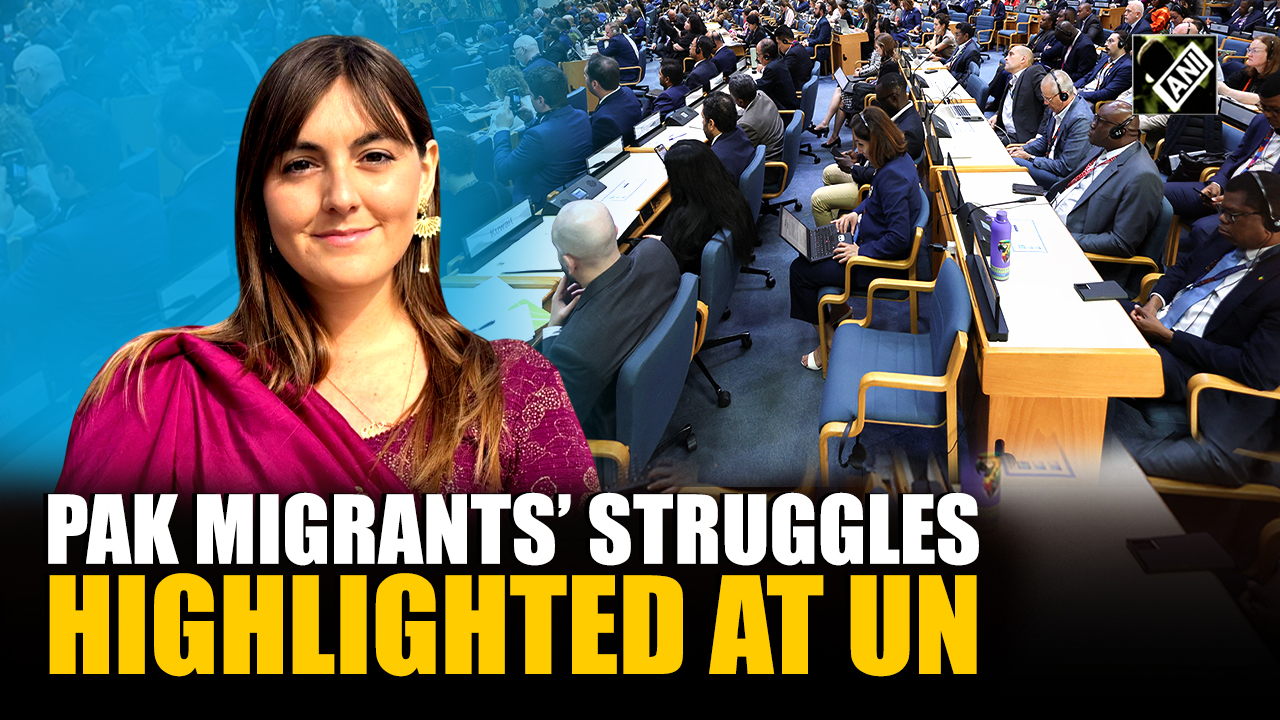
The WUC has urged the international community, including the Office of the United Nations High Commissioner for Human Rights, to raise the issue with Chinese authorities during diplomatic engagements, warning that the new law could entrench existing patterns of repression and cultural erosion.