China's new language law sparks concerns; Tibetan community launches cultural revival initiative
Mar 31, 2026
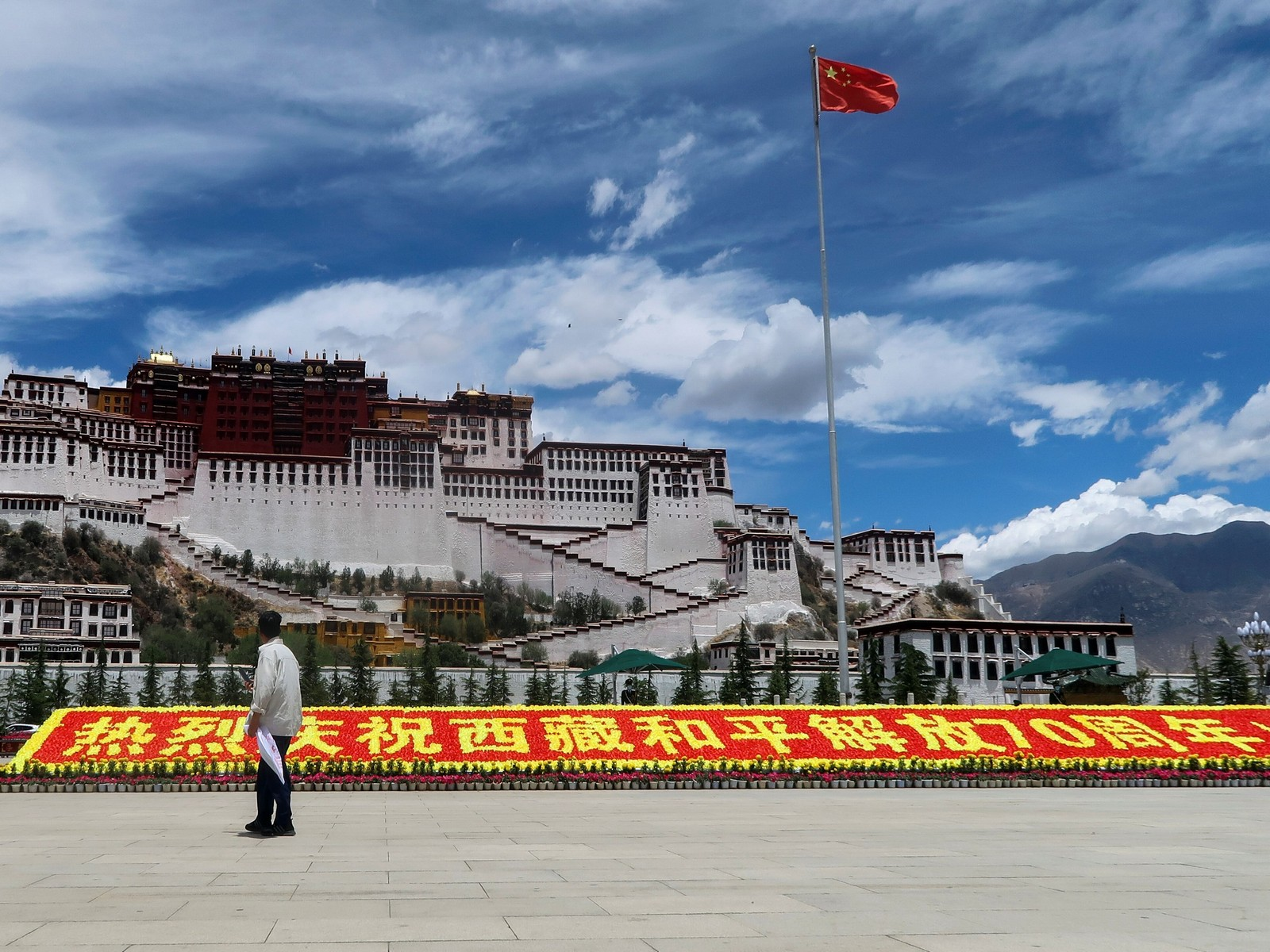
London [UK] March 31 : China's newly introduced "Ethnic Unity and Progress" law on March 12, 2026, has raised serious concerns over the preservation of linguistic and cultural identity among ethnic minorities, particularly Tibetans, according to a report by the Central Tibetan Administration (CTA).
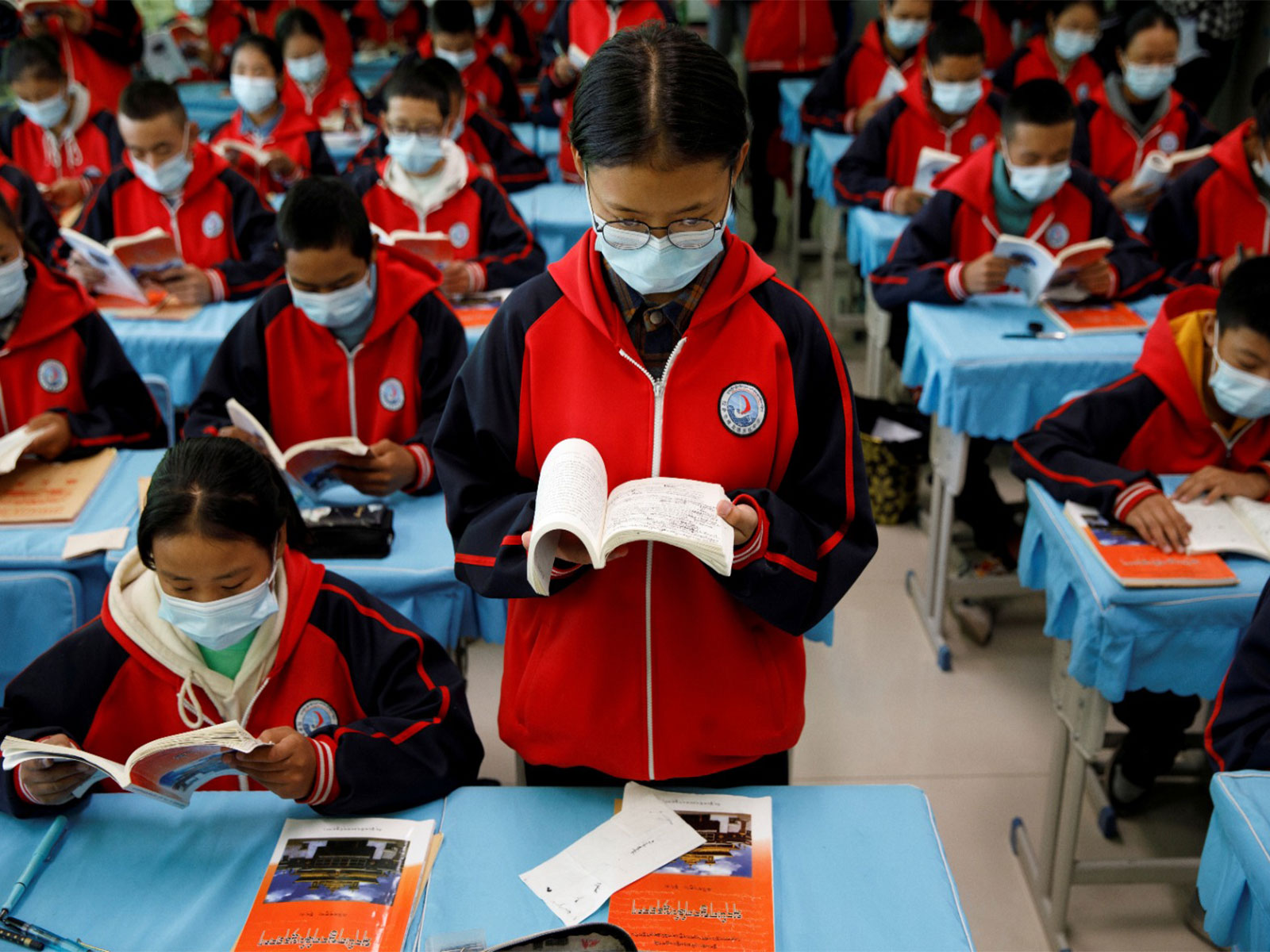
As cited by the CTA report, the legislation mandates the use of Mandarin as the primary language of instruction from preschool through high school for ethnic minority groups, including Tibetans, Uyghurs, and Mongolians. The policy prioritises Mandarin across education, public life, and media, alongside a revised "Standard Language Law" that further strengthens state control and promotes cultural assimilation.
The report highlighted that the law enforced compulsory Mandarin education for children from ethnic minority backgrounds starting before kindergarten and continuing through the end of high school. This shift effectively replaces native language instruction in several core subjects, posing what the CTA describes as a "significant challenge" to the preservation of the Tibetan language and cultural heritage.
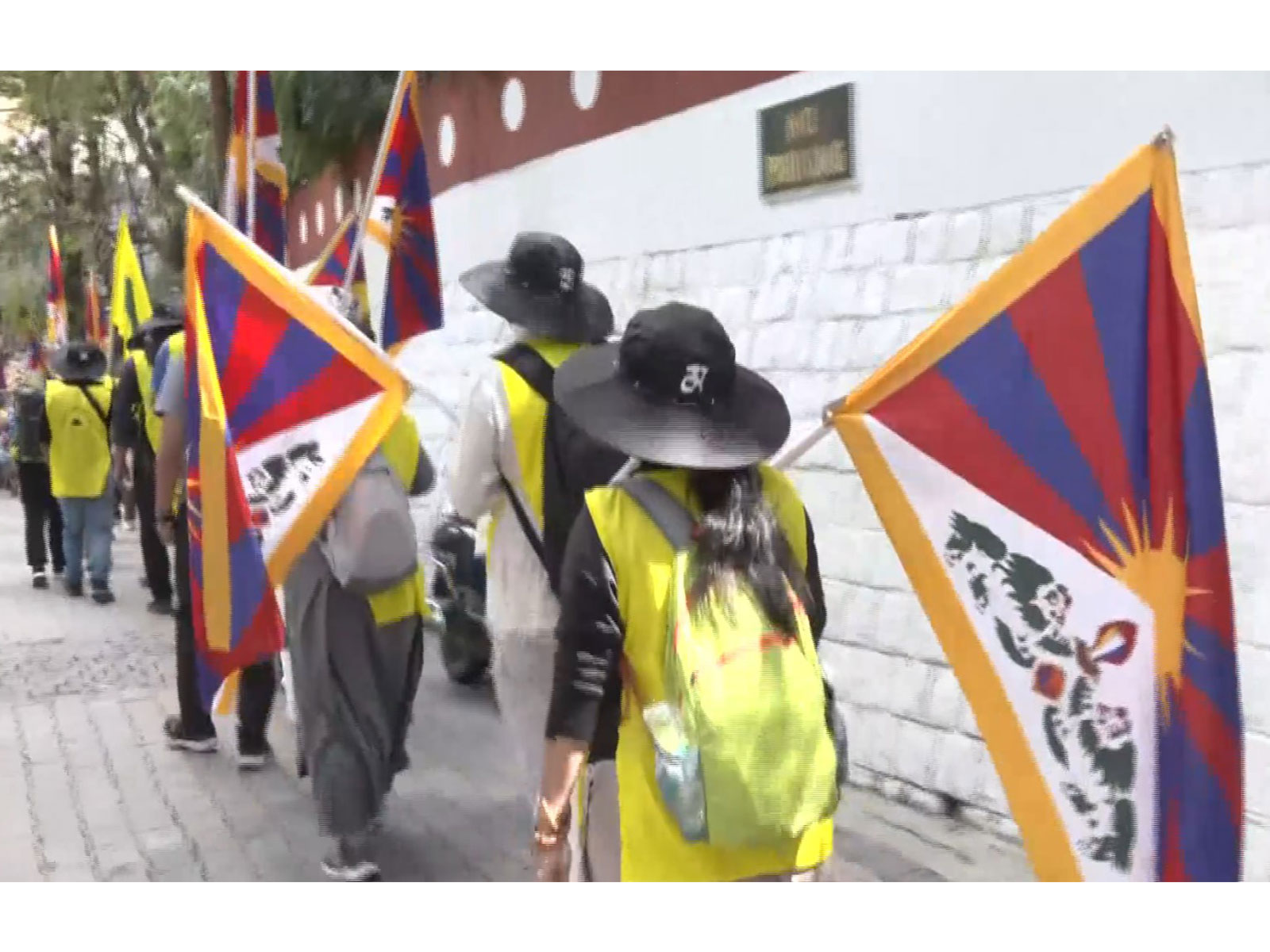
In response to these developments, the CTA report noted that the Parents Committee (2025-26) of the London School of Tibetan Language and Culture, under the guidance of Representative Tsering Yangkyi from the Office of Tibet in London, has initiated a weekly inter-house reward programme aimed at promoting the use of Tibetan among students.
As detailed in the report, the initiative encouraged students to actively speak Tibetan within the school environment. Those who make genuine efforts are awarded five points in the form of £5 prop money by adult members of the school. Each morning, the parents' committee distributes this prop currency to adults, who then reward students accordingly. Students submit their earnings to their respective house prefects, and weekly totals are calculated, with winners announced during the Sunday morning assembly.
The CTA report further stated that to reinforce language usage, students are assigned simple topics such as "My School," "My Family," and "My Country Tibet" to prepare at home and discuss in Tibetan at school. The initiative has reportedly received an enthusiastic response, with students actively engaging and making sincere efforts to incorporate Tibetan into their daily interactions.
Building on the programme's success, and following further guidance from Representative Tsering Yangkyi, the school is set to introduce additional measures from July 1, 2026. As cited by the CTA report, these include the introduction of a gentle corrective approach when non-Tibetan languages are used, particularly by adults, to set a strong example for students.
Additionally, short video messages of the Dalai Lama will be played in Tibetan during morning assemblies. Gyalrab (Tibetan history) lessons, which are currently conducted in English, will transition to Tibetan. Parents are also being strongly encouraged to use Tibetan at home and to ensure that children respond in the language.
The CTA report concludes that with the implementation of such policies in Tibet, the Tibetan language and cultural identity face an increased risk of systematic erosion. However, it underscores that through strengthened individual and collective efforts, at home, in schools, and within the broader Tibetan community, there remains hope that Tibetan language and heritage will continue to thrive for future generations.