"CM acting like a 'constitutional cowboy', says Khera; Assam defends need for custodial probe as SC reserves order in pre-arrest bail plea
Apr 30, 2026
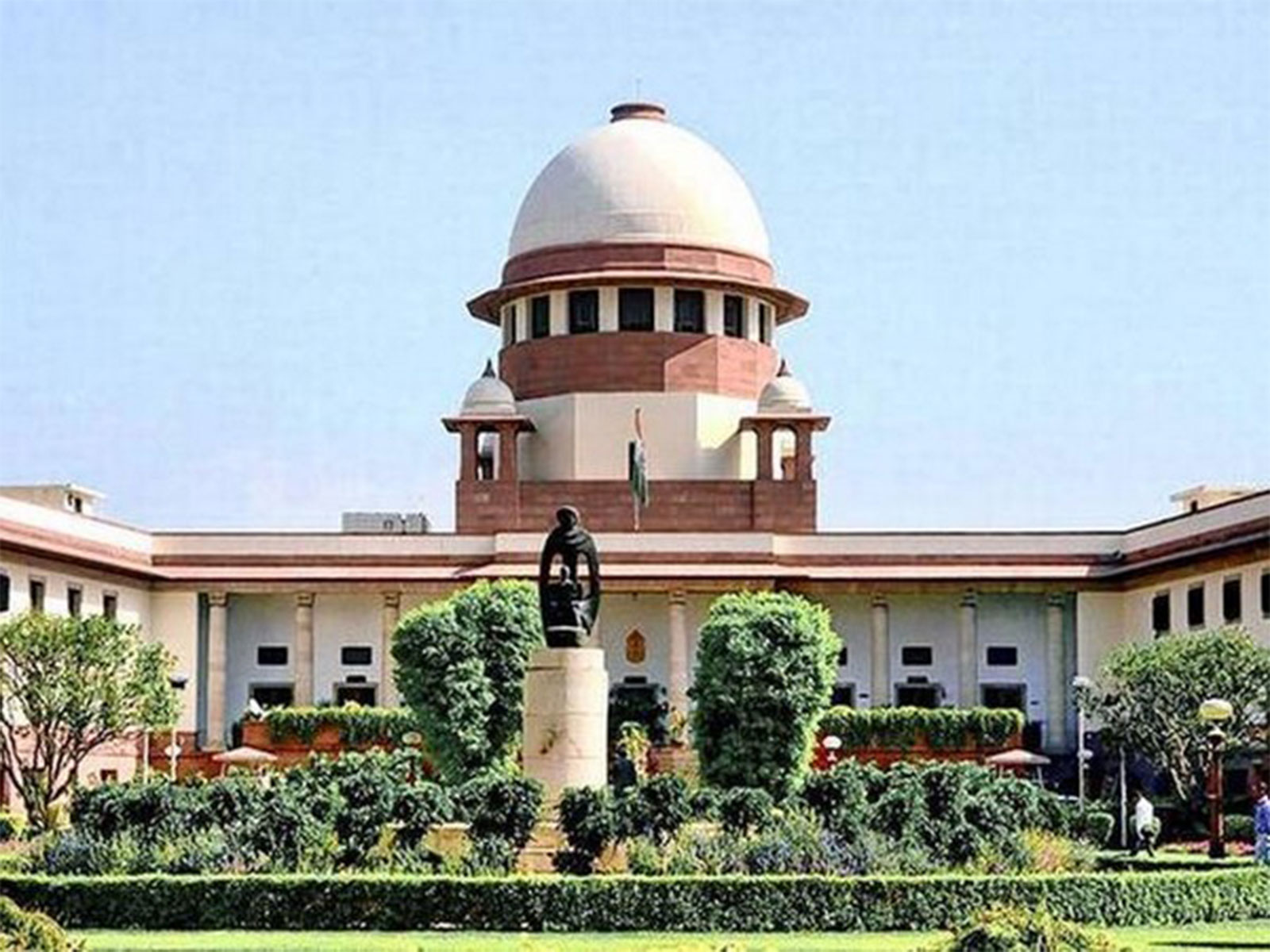
New Delhi [India], April 30 : The Supreme Court on Thursday reserved its verdict on a plea filed by Congress leader Pawan Khera challenging a Gauhati High Court order denying him anticipatory bail in a defamation and forgery case linked to allegations against Assam Chief Minister Himanta Biswa Sarma.
A bench of Justices JK Maheshwari and Atul S Chandurkar heard submissions by Senior Advocate Abhishek Manu Singhvi for Khera and counter-arguments by Solicitor General Tushar Mehta for the Assam government before reserving judgment.
Singhvi strongly criticised statements attributed to the Assam Chief Minister Himanta Biswa Sarma and argued that he is acting like a constitutional cowboy.
"Dr BR Ambedkar would turn over in his grave if he had imagined a constitutional functionary behaving like a 'constitutional cowboy' or a 'constitutional Rambo'," the senior lawyer said.
He argued that the custodial arrest of Khera was unnecessary in a defamation case when his client is not a flight risk.
"Interrogation is available; there is no flight risk. The question is the necessity of arrest. Why is it necessary to humiliate by custodial arrest?" he said.
Singhvi argued that the charges invoked against Pawan Khera are bailable, including Section 339 (forgery under BNS), which he claims was wrongly added later and does not even form part of the original FIR.
He stated that arrest should be a last resort, particularly in such offences.
He said the Gauhati High Court order states that he (Khera) doesn't deserve the 'privilege' of an anticipatory bail, when the liberty is a matter of right and not privilege.
Singhvi added that it's a case where "venom" and "malice" are spewing out of the prosecution owing to political pressure.
"This is a case where venom and malice spewing out of the prosecutors' bosses bosses bosses boss!", he remarked.
Singhvi further contended that the police had invoked multiple allegations, absconding, tampering of evidence and political influence without justification.
The Solicitor General of India (SGI) Tushar Mehta, representing the Assam government, defended the need for custodial interrogation in the matter and pointed out the "seriousness of the allegations" raised against Khera.
Mehta argued that the case against Khera involves the alleged fabrication of official documents and that the investigation has already revealed these documents to be forged.
He stressed the need for a thorough probe to determine who created elements such as passport seals, QR codes and other official markers.
Mehta submitted that the investigation must uncover who forged the documents, whether Khera acted with accomplices and whether the alleged acts have wider implications, including possible foreign links during an election period.
He further contended that Khera has been evading the investigation since the date of the offence, claiming that he has been "absconding" while continuing to release videos and remain out of reach of authorities.
The FIR against Khera was lodged by Riniki Bhuyan Sarma, wife of the Assam Chief Minister (CM) Himanta Biswa Sharma, after Khera alleged at a press conference that she held multiple foreign passports and undisclosed overseas assets.
Earlier, the Supreme Court had declined to extend the transit anticipatory bail granted to Khera by the Telangana High Court, directing him to approach the competent court in Assam. However, it clarified that its earlier observations would not prejudice the jurisdictional court's consideration of his plea.
However, the apex court had clarified its earlier order in which it had stayed the one-week transit anticipatory bail granted to Khera by the Telangana High Court to the extent that the same will not have any adverse influence on the jurisdictional court, which would decide over Khera's plea.
Subsequently, Khera approached the Gauhati High Court, where he was denied relief. He then moved to the Supreme Court, challenging the High Court order. The Supreme Court heard arguments from both parties and reserved its decision.