Coal remains backbone of India's power supply despite renewable push, govt tells Parliament
Jul 23, 2026
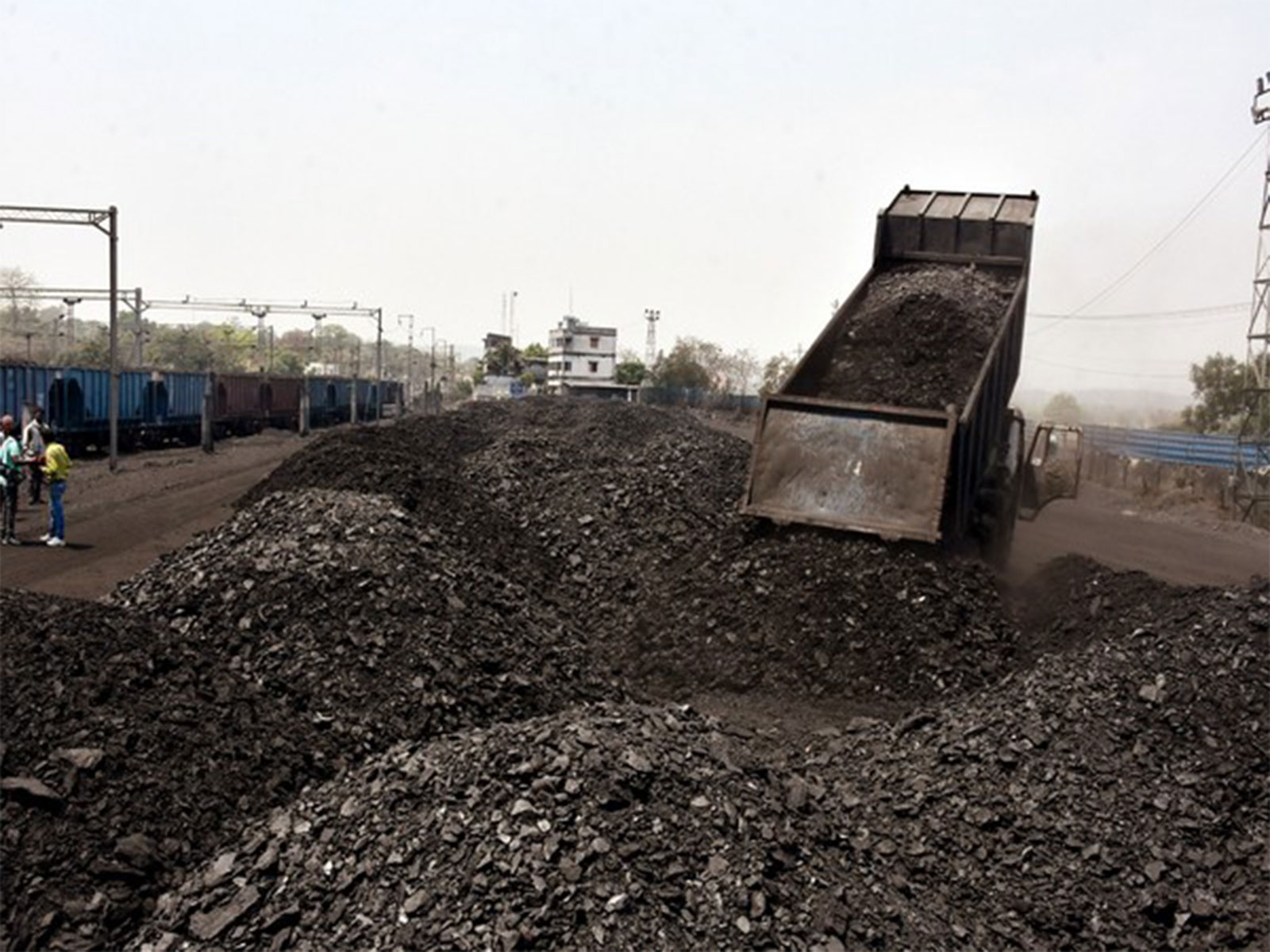
New Delhi [India], July 23 : Coal continues to remain the backbone of India's electricity system despite the country's rapid renewable energy expansion, with the government telling Parliament that coal-based plants supplied nearly 70 per cent of the country's electricity during the peak summer months and around three-fourths of generation during evening peak demand.
Replying to a question in the Lok Sabha on rising electricity demand, the Ministry of Power said coal (including lignite)-based plants accounted for 69.54 per cent of electricity supplied during April-June 2026. It added that these plants generated 188.8 GW, "around 75% of the total generation" during non-solar peak demand hours, underlining coal's continued role in meeting demand even as renewable energy capacity expands.
The reply also indicates that the government is increasingly looking beyond capacity addition to manage rising electricity demand by encouraging changes in consumption patterns. It said distribution companies have been asked to "promote and implement energy efficiency measures" to optimise electricity use, including cooling and pumping loads, encourage electric vehicle charging during daytime solar hours and shift agricultural demand to daytime where possible.
The government said electricity demand has risen sharply due to El Nino conditions, with peak demand during April-June increasing around 12 per cent over the corresponding period last year. Despite this, it said the all-time high peak demand of 270.8 GW recorded in May was "successfully met", while demand crossed 270 GW twice again in July, which was also met successfully.
The ministry maintained that adequate power is available in the country, saying thermal power plants had 41.4 million tonnes of coal stock as on July 18, sufficient for 13 days at 85 per cent plant load factor. It also said gas-based generation accounts for less than 2 per cent of the country's power mix and therefore "the geopolitical issues in Middle East has had minimum impact on energy availability in the country."
Highlighting improvements in supply, the government said average daily electricity availability in rural areas has increased from 12.5 hours in FY14 to 22.6 hours in FY26, while urban supply rose from 22.1 hours to 23.4 hours. It also said India's energy shortage declined to 0.0 per cent in FY2025-26, compared with 4.2 per cent in FY2013-14, reflecting what it described as a significant improvement in supply adequacy.