"Complete Fog of War": Ex Diplomat says India must leverage BRICS to wade through Middle East crisis
May 14, 2026
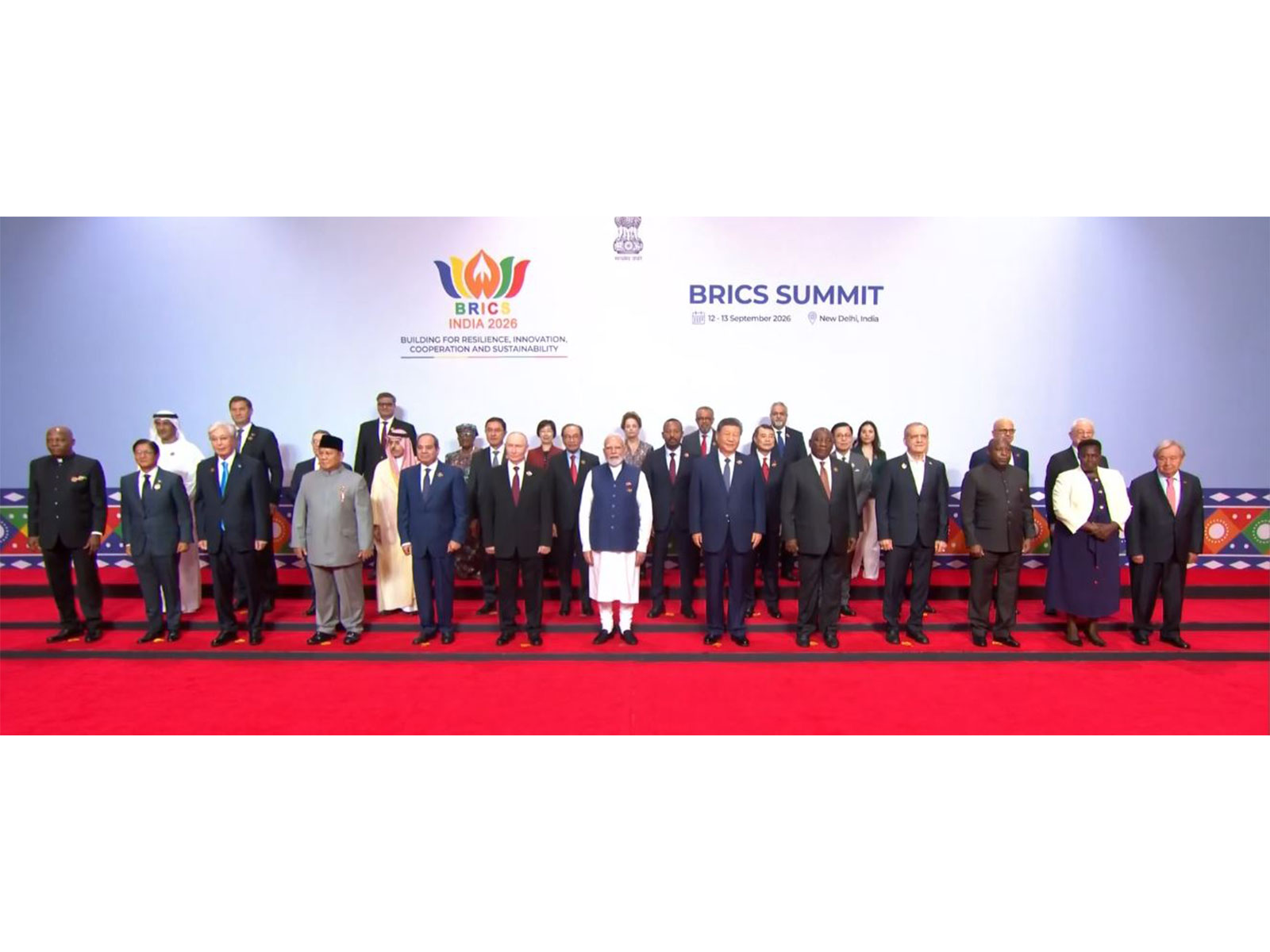
New Delhi [India], May 14 : The visit of the Iranian Foreign Minister to New Delhi for a meeting of BRICS foreign minsters hosted by India has sharply highlighted the intricate geopolitical balancing act the country currently faces.
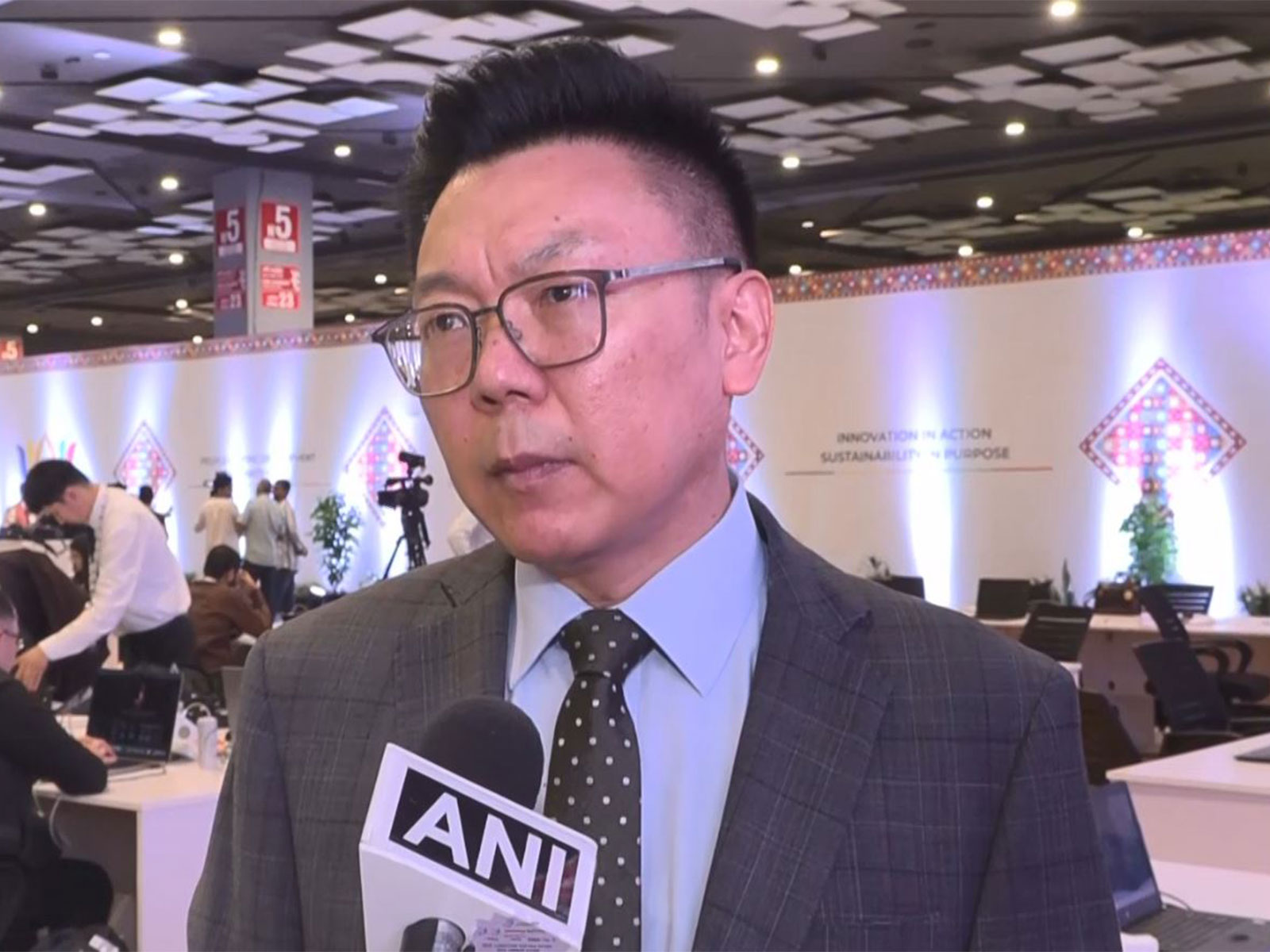
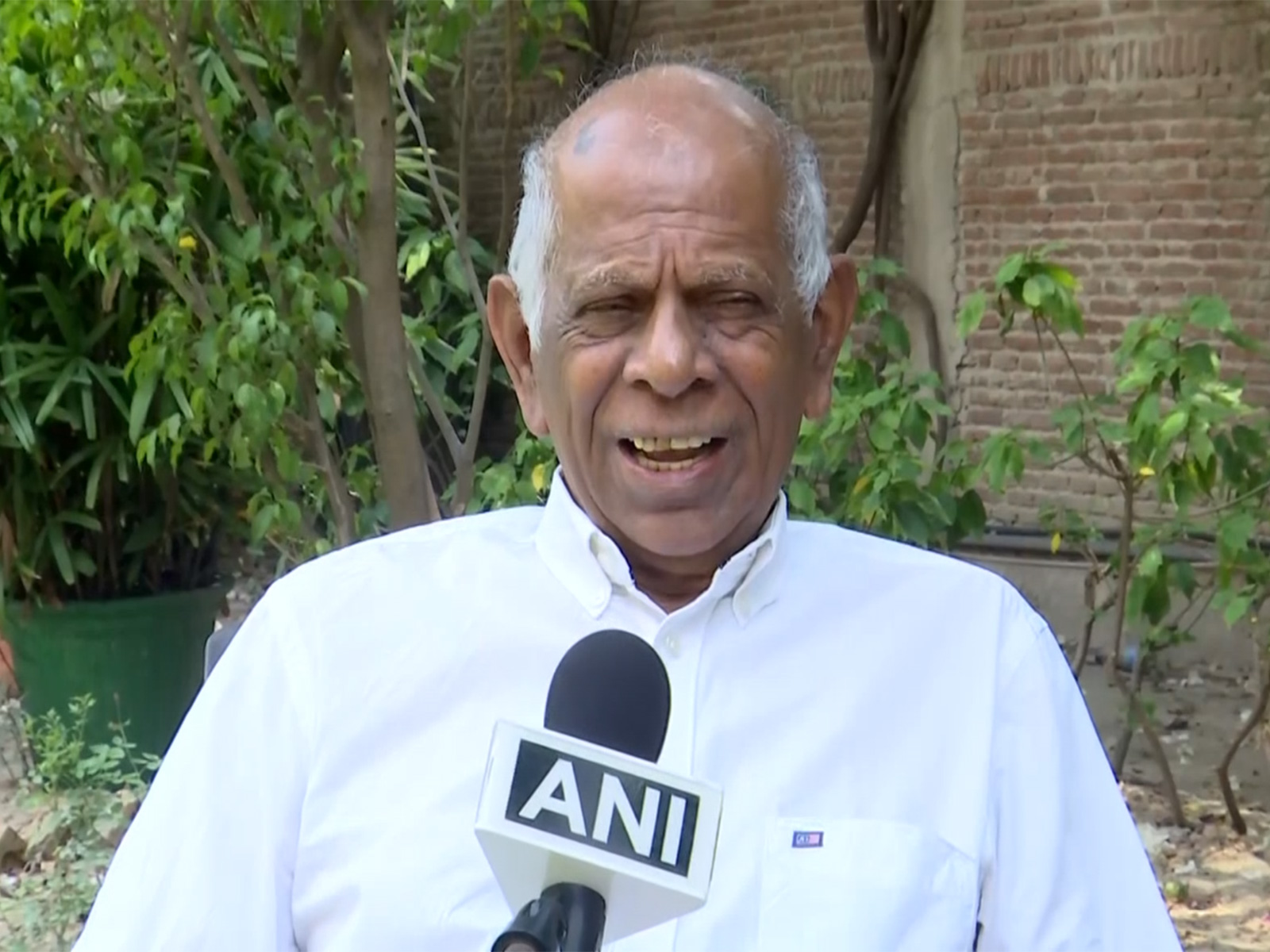
In a recent interview to ANI, former diplomat KP Fabian outlined how India must assert its strategic autonomy across intersecting global flashpoints, including maritime security and energy partnerships.
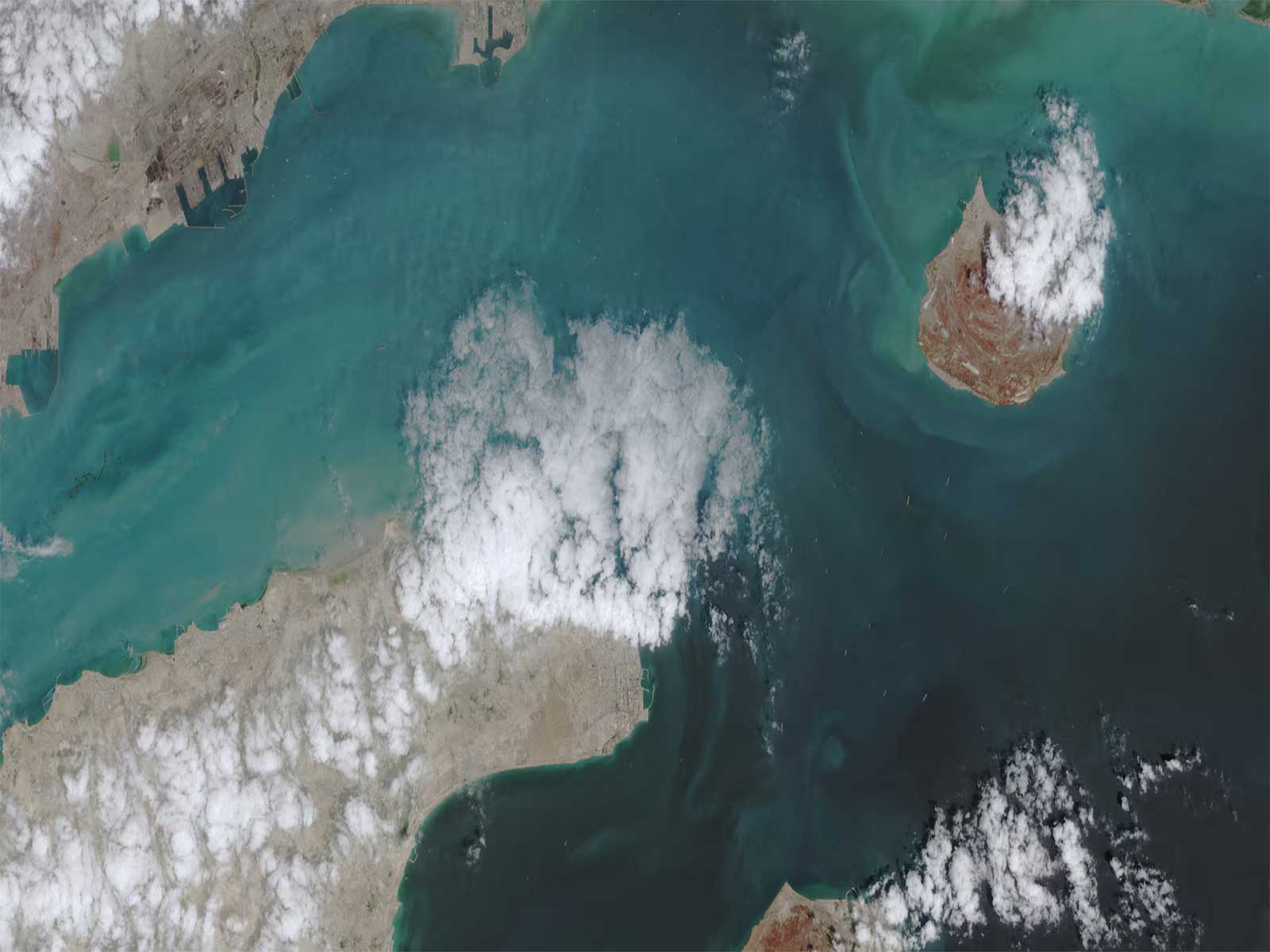
Fabian emphasized that maintaining high-level dialogue with Tehran is essential to protecting vital Indian geo-economic assets, specifically the $610 million investment in the Chabahar port. He noted that this diplomacy coincides with a severe breakdown in West Asian maritime security stemming from the US-Iran conflict. Describing the maritime situation -including recent attacks on Indian vessels in Omani territory -as a "complete fog of war," Fabian told ANI that the crisis exposes the real-world limitations of US-India maritime cooperation.
Amidst this maritime blockade, the former diplomat brought urgent attention to a staggering humanitarian crisis. He told ANI that approximately 1,500 ships and between 20,000 to 23,000 sailors have been stranded for over two months, facing critical shortages of food and medicine. To address this, Fabian strongly argued that India must leverage its diplomatic weight and role within BRICS. He urged New Delhi to push for immediate humanitarian relief through a BRICS-backed mission, calling for a direct appeal to both the United States and Iran to ensure safe passage for the trapped crews.
In his assessment of India's global energy strategy, Fabian emphasised to ANI that maintaining robust partnerships remains a non-negotiable pillar of foreign policy. Amidst Middle Eastern maritime blockades and the persistent threat of Western economic countermeasures, he highlighted the crucial timing of Russia officially reaffirming its energy supply commitments to New Delhi.
Fabian was clear that in today's volatile multipolar landscape, energy security firmly equates to national security. He explicitly warned against allowing external geopolitical pressures, specifically the fear of US secondary sanctions, to dictate India's domestic energy imports, stressing that New Delhi must reject unilateral coercion.
Fabian explained that acting upon Russian energy guarantees goes beyond merely fulfilling fuel requirements; it is a vital, ongoing exercise of India's strategic autonomy and sovereignty. By standing firm on these agreements, India effectively insulates its economy from the unpredictable impacts of Western sanctions.
Fabian told ANI that India must forcefully maintain its independence, ensuring its national interests are never compromised by the foreign policy agendas of other global powers.