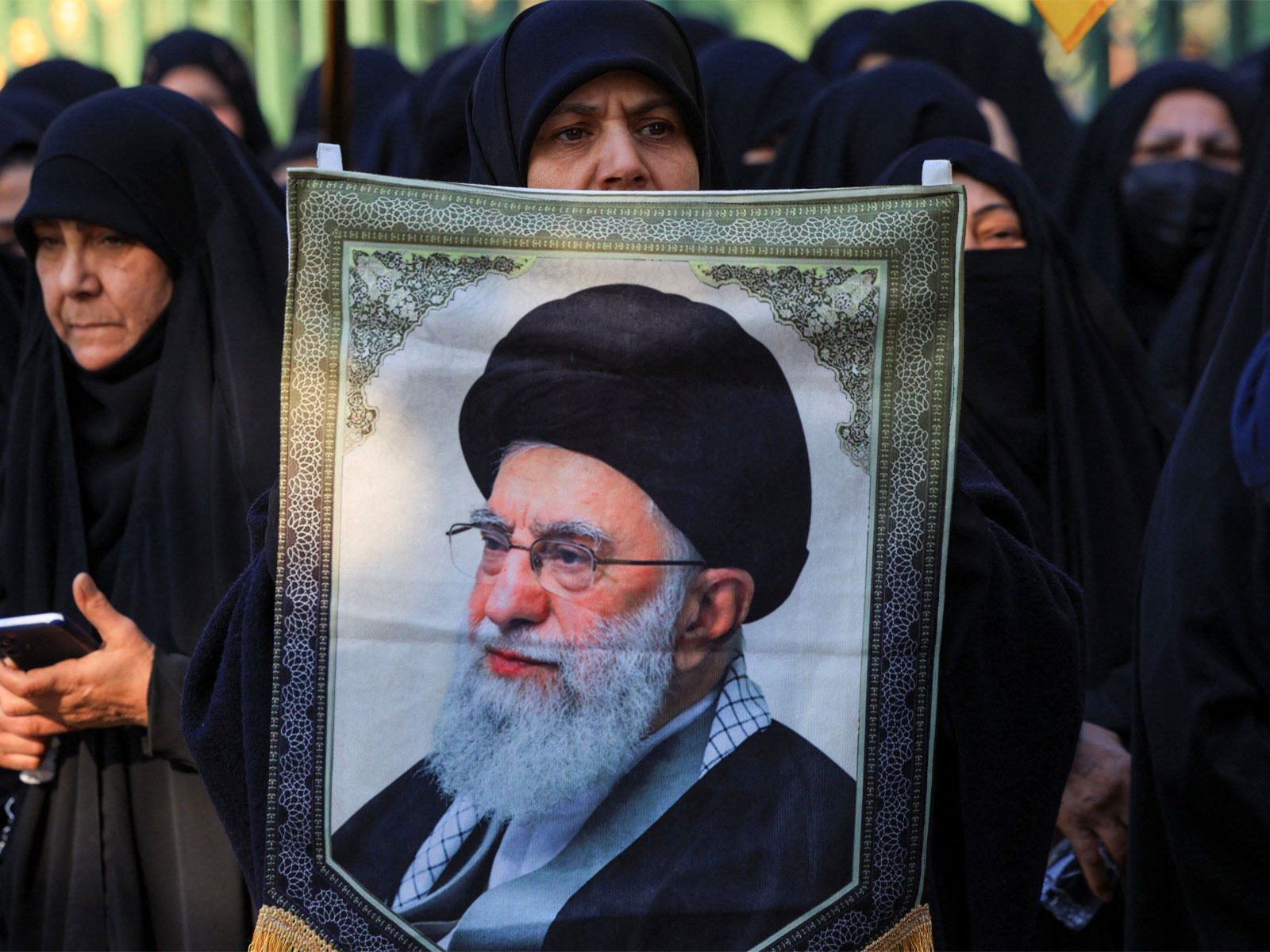
Condolence book to be laid at Iranian Embassy in New Delhi on "martyrdom" of Supreme Leader Khamenei
Mar 03, 2026
New Delhi [India], March 3 : The Iranian Embassy in New Delhi on Tuesday announced that a condolence book will be opened this week to commemorate the "martyrdom" of Supreme Leader Ayatollah Imam Khamenei.
"On the occasion of the martyrdom of His Eminence Grand Ayatollah Imam Khamenei, the Supreme Leader of the Islamic Republic of Iran, a condolence book will be opened at the Embassy of the I.R. Iran in New Delhi," the Embassy of the Islamic Republic of Iran posted on X.
According to a statement issued by the embassy, those wishing to pay their respects and offer their condolences may visit the Embassy on March 5, 6, and 9 to sign the condolence book. The visiting hours will be from 10:00 am to 3:00 pm on each of the above days.
The condolence book will be available at the Embassy on the following dates. "Thursday, March 5, 2026, Friday, 6 March 2026, Monday, 9 March 2026, from 10:00 am to 3:00 pm."
"The Embassy of the Islamic Republic of Iran in New Delhi appreciates the kind expressions of sympathy and solidarity," the embassy said.
This came after US and Israeli strikes on February 28, which targeted Iran's leadership, military installations, and strategic assets. The strikes killed Supreme Leader Khamenei along with other senior figures, prompting retaliatory attacks by Tehran on American and Israeli interests in the region.
Earlier, Iran's Foreign Ministry issued a strongly worded statement condemning the killing of Ayatollah Syed Ali Khamenei, Iran's Supreme Leader, describing it as a "terrorist act" by the United States and the "Zionist regime" of Israel.
The statement, shared on X by the Iranian Embassy in India on Sunday, described the incident as martyrdom following brutal attacks on his residence during the early hours of the tenth day of Ramadan.
Iran's Supreme Leader's office has declared a period of national mourning, with flags flying at half-mast and public gatherings planned to pay respects, marking the closing of a 37-year chapter in the Islamic Republic's history.
Ayatollah Khamenei succeeded the Revolution's founder, Ruhollah Khomeini, in 1989, and his tenure was marked by consistent opposition to Western influence.
Authorities have heightened security across the country, particularly in major cities such as Tehran, to prevent unrest and ensure public safety.
Attention is now focused on the process of selecting Khamenei's successor, amid speculation about potential candidates and the implications for Iran's future leadership.
Meanwhile, Ayatollah Alireza Arafi was appointed jurist member of Iran's interim Leadership Council on Sunday, following the killing of Khamenei. Speaking from a televised podium, Arafi addressed the nation and the international community regarding the recent escalations.