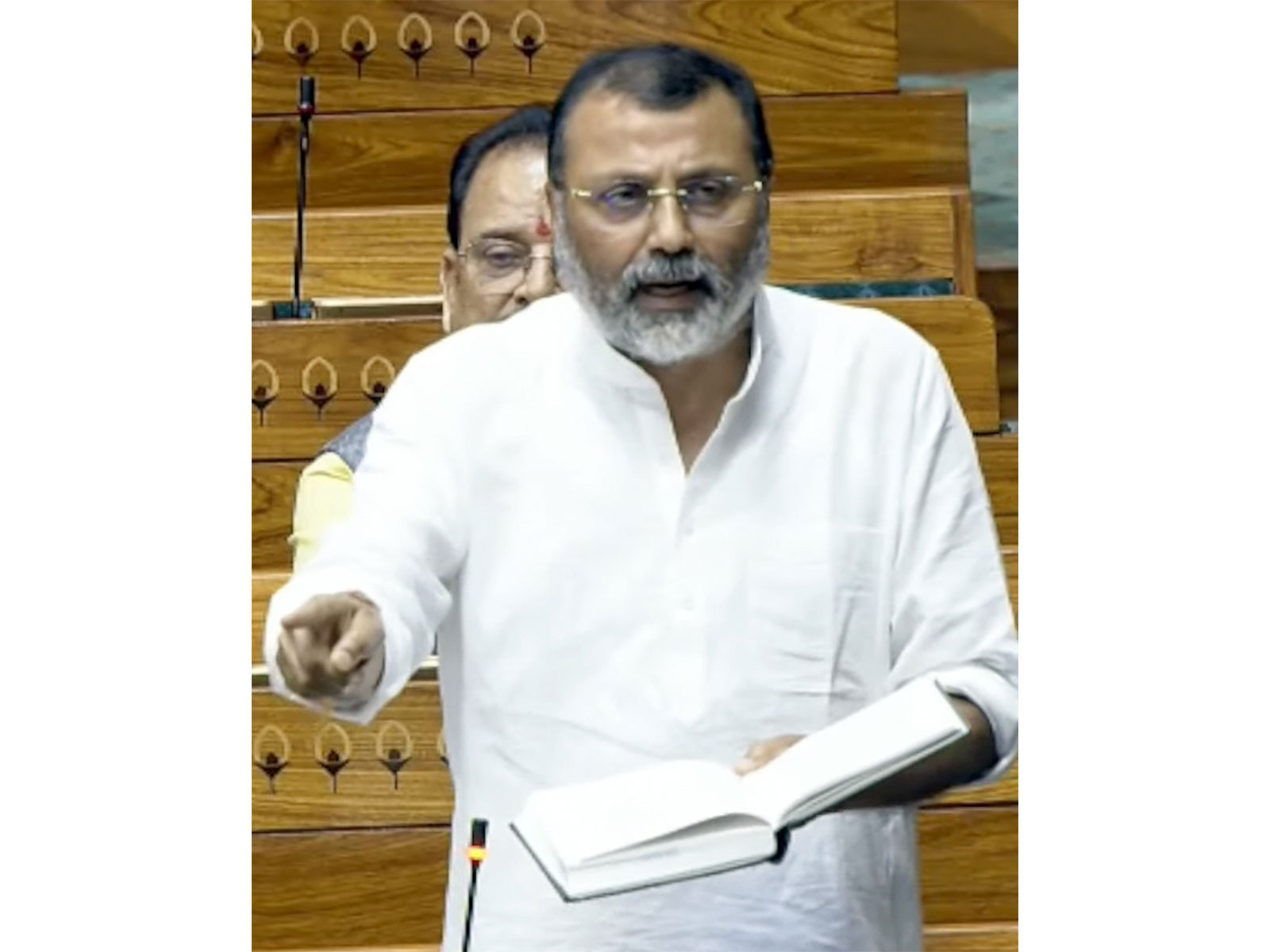
"Congress-Nehru-Gandhi family means 'a machine for creating problems'": BJP MP Nishikant Dubey
Jul 13, 2026
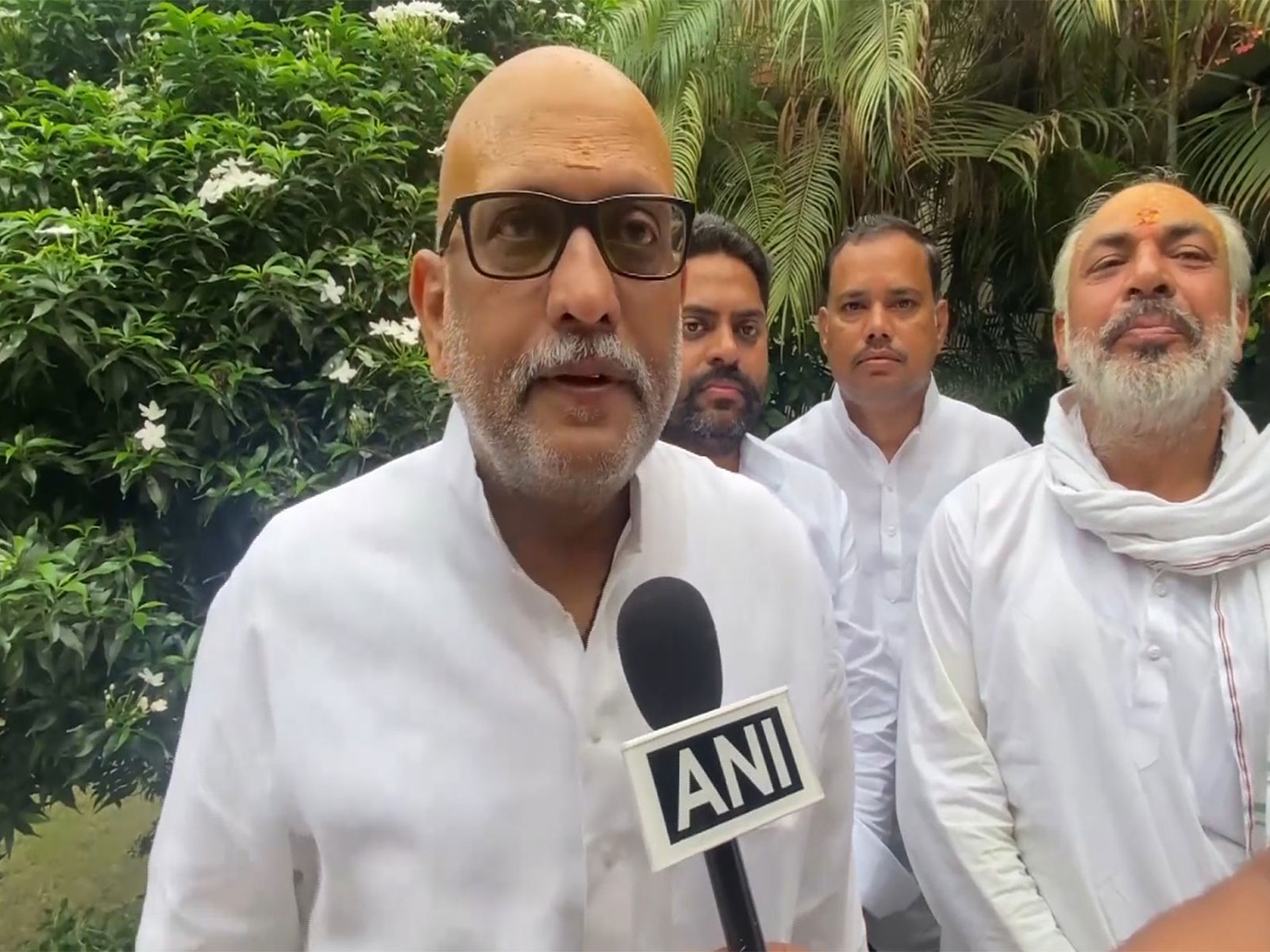
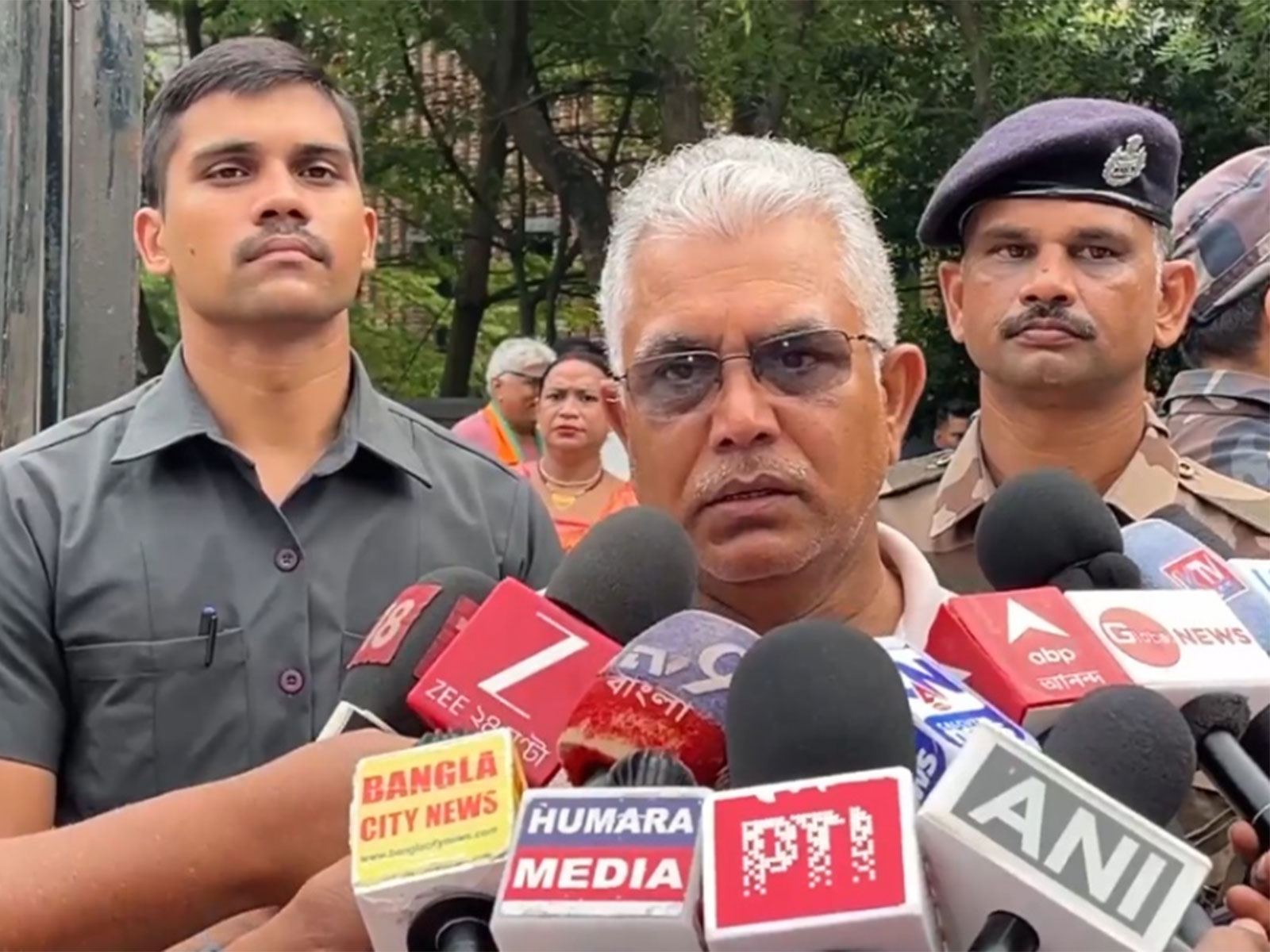
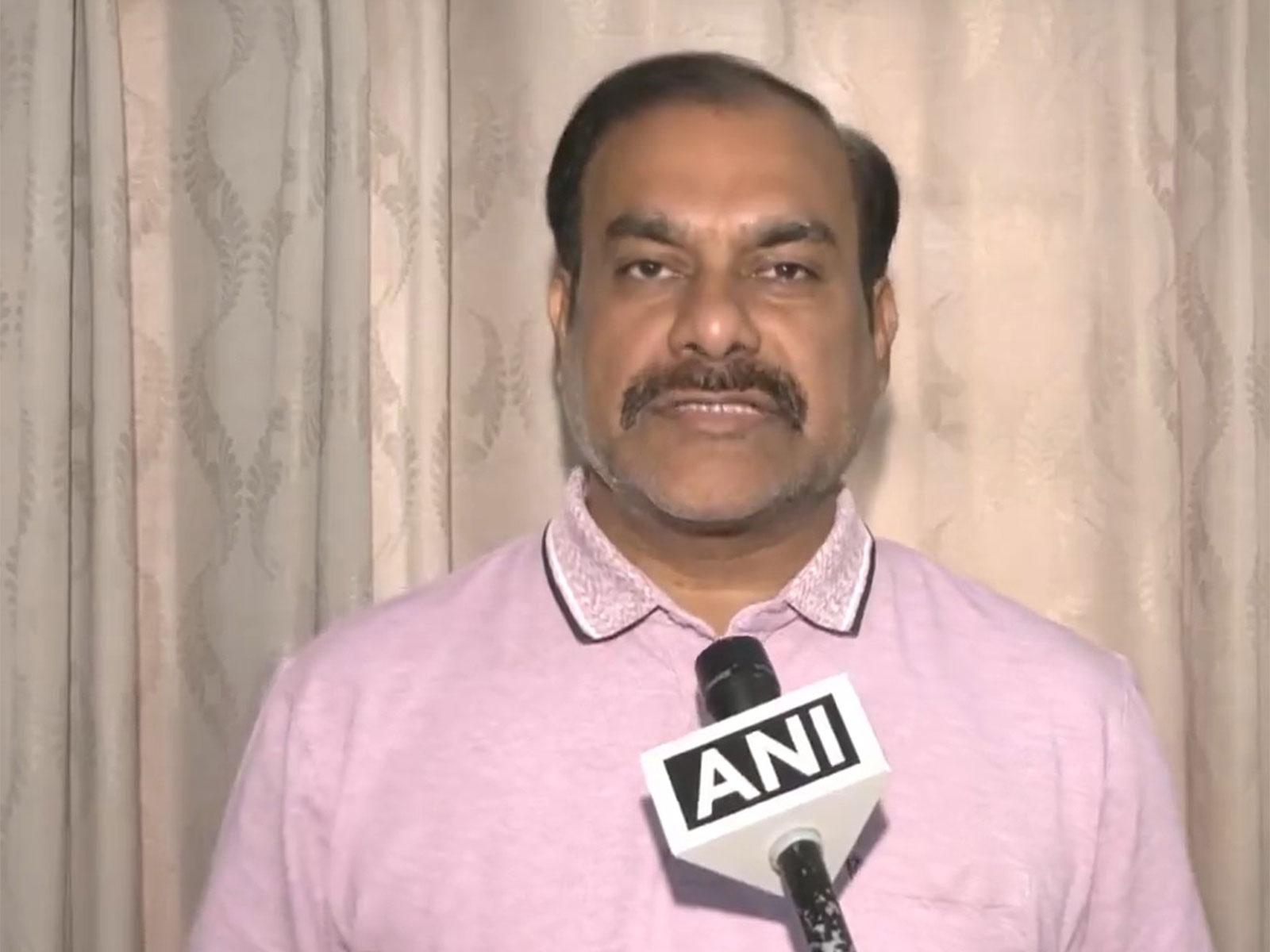
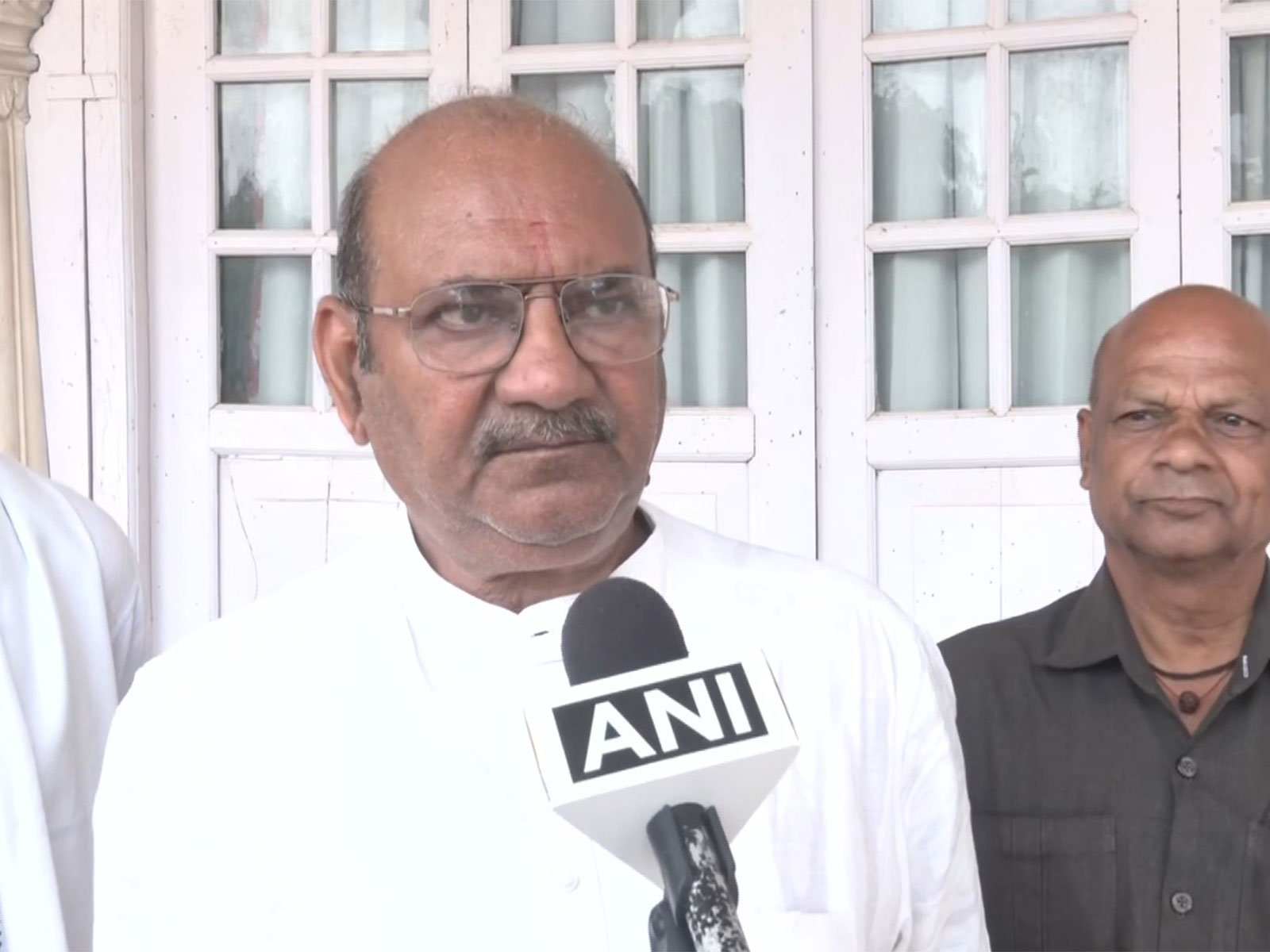
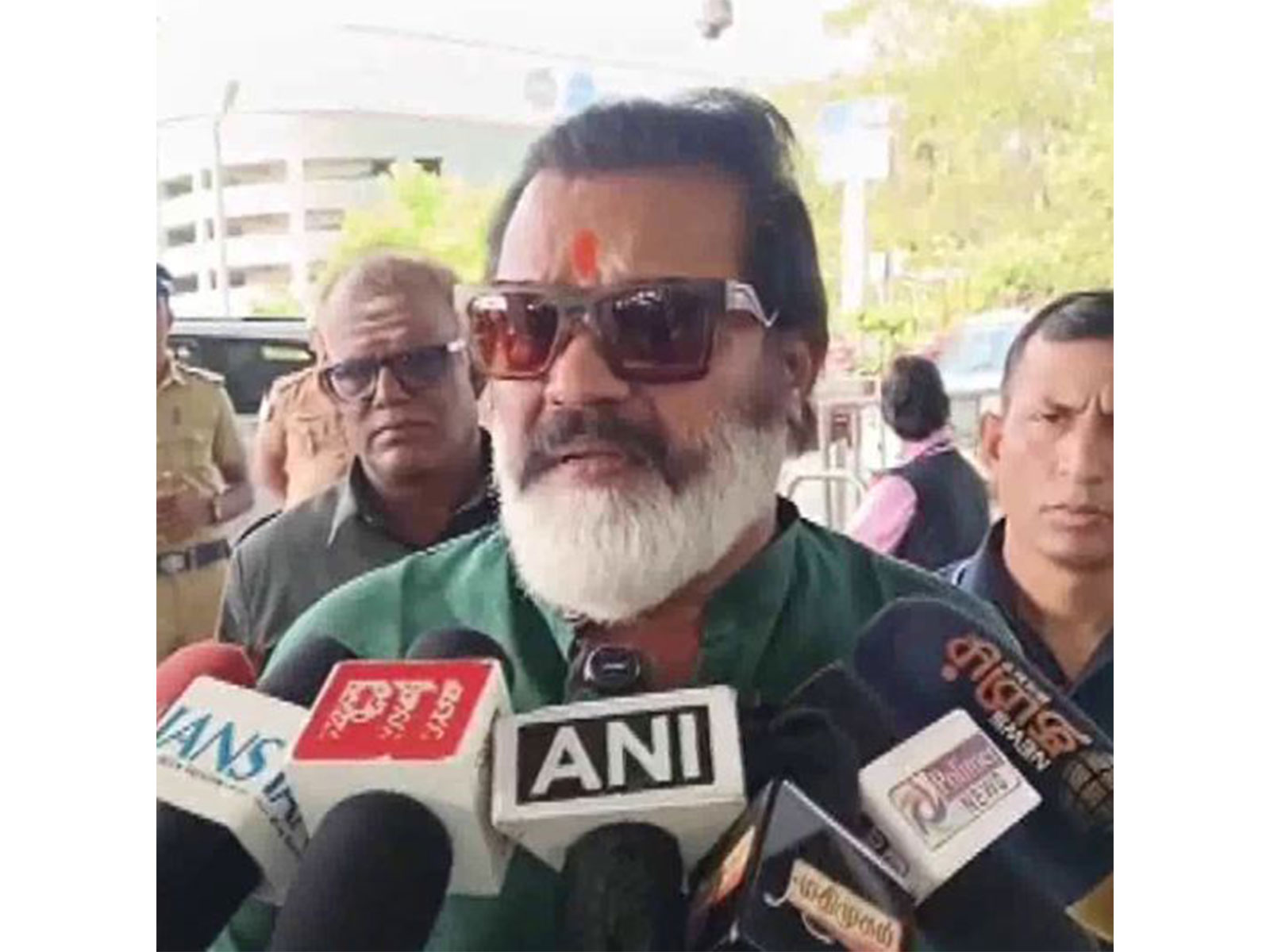
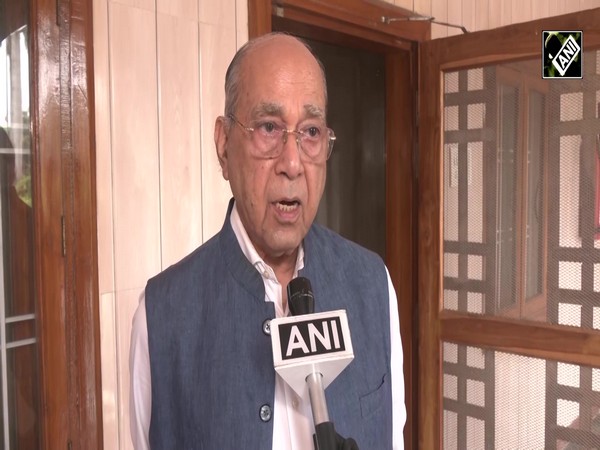
New Delhi [India], July 13 : BJP MP Nishikant Dubey on Monday launched a sharp attack on Congress, alleging that the party's leadership under former Prime Minister Jawaharlal Nehru took decisions during the Partition that had long-term consequences for the country.
In a post shared on X, Dubey termed July 13, 1947, as a "dark chapter" in the history of Congress and claimed that Nehru accepted the Partition of India under pressure from Lady Edwina Mountbatten.
"The Dark Chapter of the Congress. On July 13, 1947, under pressure from Lady Edwina Mountbatten, Nehru ji abandoned Mahatma Gandhi ji's views and accepted the partition of India," Dubey wrote.
The BJP MP alleged that boundary committees constituted for Bengal and Punjab resulted in the loss of several strategically and culturally significant regions.
"On June 30, 1947, Lord Mountbatten decided to form a committee under Radcliffe's leadership for the partition of Bengal and Punjab. On this very day, that is, July 13, 1947, two boundary determination committees for Bengal and Punjab were formed," Dubey said.
He further said that India lost the Chittagong Hill Tracts and the Sylhet district, and alleged that Kolkata would have gone to Pakistan had Syama Prasad Mookerjee not intervened.
"Due to Bengal's committee, we had to give away the entire Chittagong Hill Tracts, the Sylhet district where Hindus were in the majority--if Shyama Prasad Mukherjee ji hadn't intervened, even Kolkata would have gone to Pakistan," he said.
"According to the agreement between Nehru ji, Jinnah, and Suhrawardy, Kolkata would have been Pakistan's second capital for six months, which was opposed by Sardar Patel ji and Shyama Prasad Mukherjee ji," Dubey added.
Referring to Punjab, Dubey alleged that Lahore, Kartarpur Sahib and Nankana Sahib Gurdwara were given away during Partition. He also referred to Kashmir, the Rann of Kutch, and the division of border districts, alleging that these decisions contributed to long-term challenges such as infiltration, terrorism, drug trafficking and cattle smuggling.
"In Punjab, we gave away Lahore, which had a Hindu-Sikh majority, along with Kartarpur Sahib and Nankana Sahib Gurdwara. The Pakhtun and Balochistan regions were forcibly handed over; in the end, even the Rann of Kutch was given away in 1968. Kashmir remains forcibly occupied. The partition of Malda, Murshidabad, Darjeeling, Gurdaspur, and Ferozepur was done in such a way that India could never recover from infiltrators, drug peddlers, cow smuggling, and terrorism," he further wrote.
"The Congress-Nehru-Gandhi family means a machine for creating problems," Dubey added.
https://x.com/nishikant_dubey/status/2076462900504412536
The remarks come in the backdrop of events in July 1947, when India was moving towards Independence and the Partition process was underway. On July 13, 1947, the Indian Independence Bill was in the final stages of passage through the British Parliament. The Bill, introduced earlier in July, was later passed by the House of Commons on July 15 and the House of Lords on July 16 and received Royal Assent on July 18, 1947, becoming the Indian Independence Act, 1947.
During the same period, the Punjab and Bengal Boundary Commissions, headed by Sir Cyril Radcliffe, began the process of demarcating the borders between India and Pakistan under the June 3, 1947 Mountbatten Plan. The commissions conducted hearings in mid-July, with the final Radcliffe Award being announced on August 17, 1947.
Meanwhile, Mahatma Gandhi was travelling through violence-affected regions, appealing for communal harmony and peace. He had opposed the Partition of India and Bengal and continued efforts to prevent communal violence as the country moved towards Independence.