CSIS expert calls India-EU FTA "a celebration", highlights shift in PM Modi's trade policy from "protectionism"
Jan 28, 2026
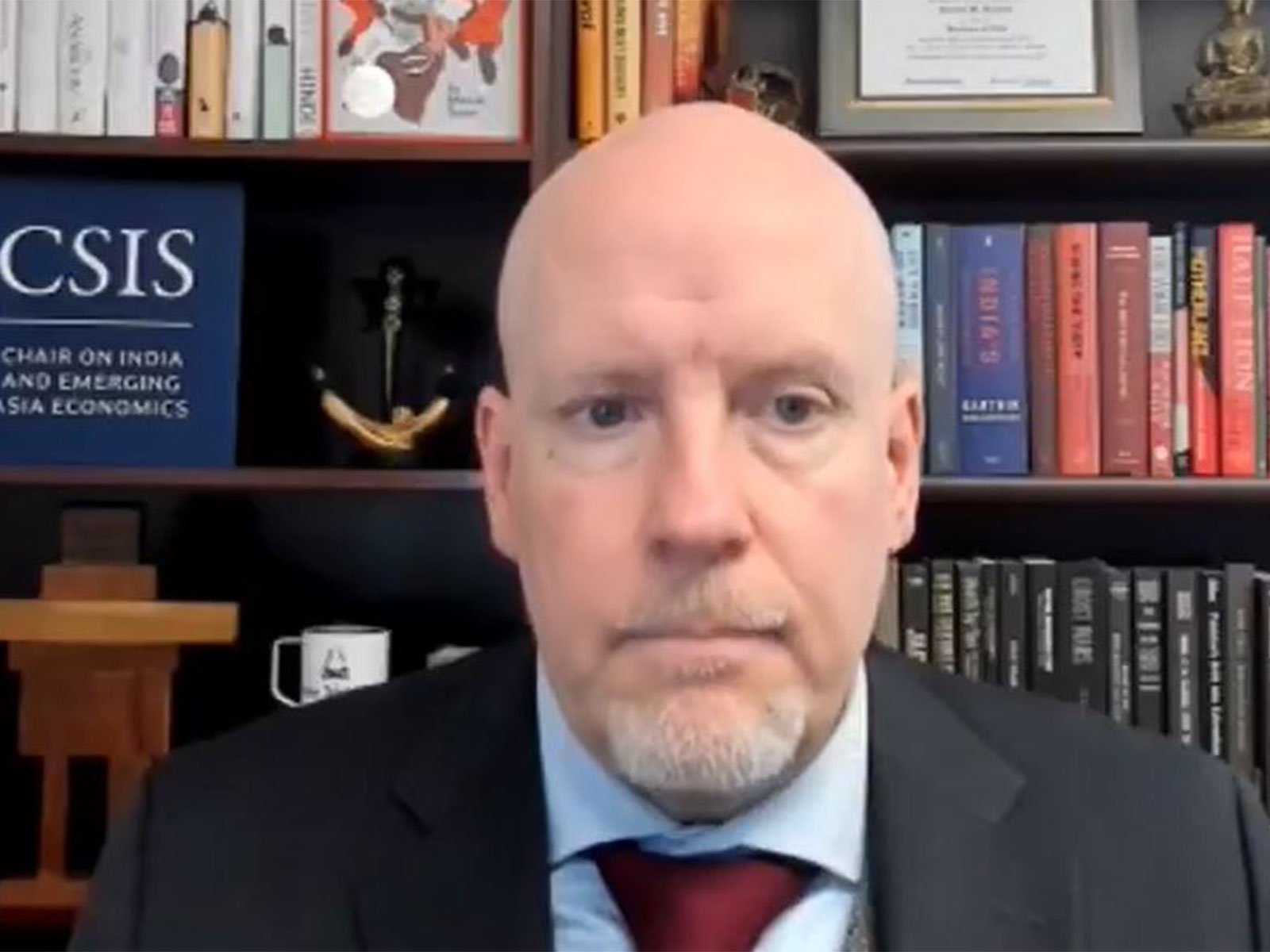
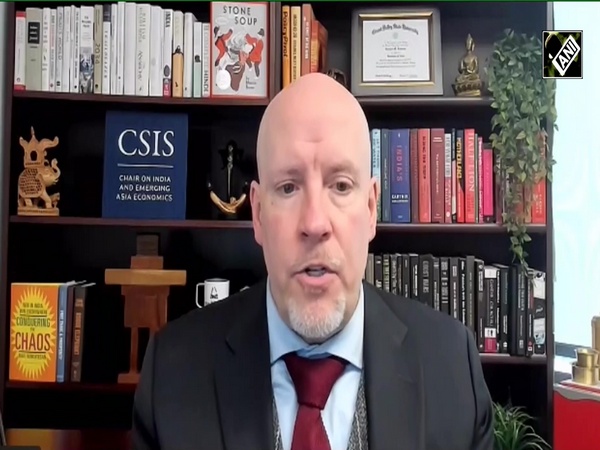
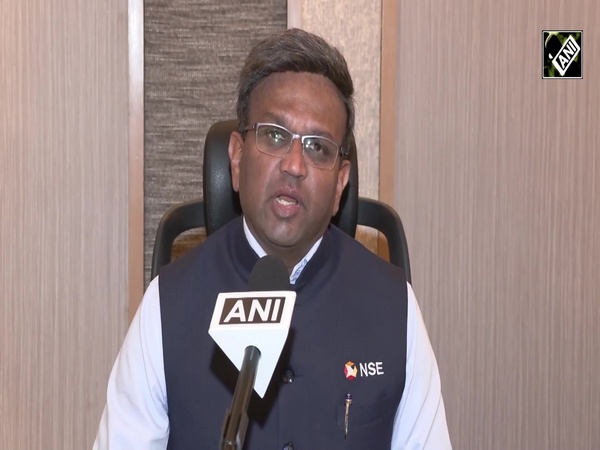
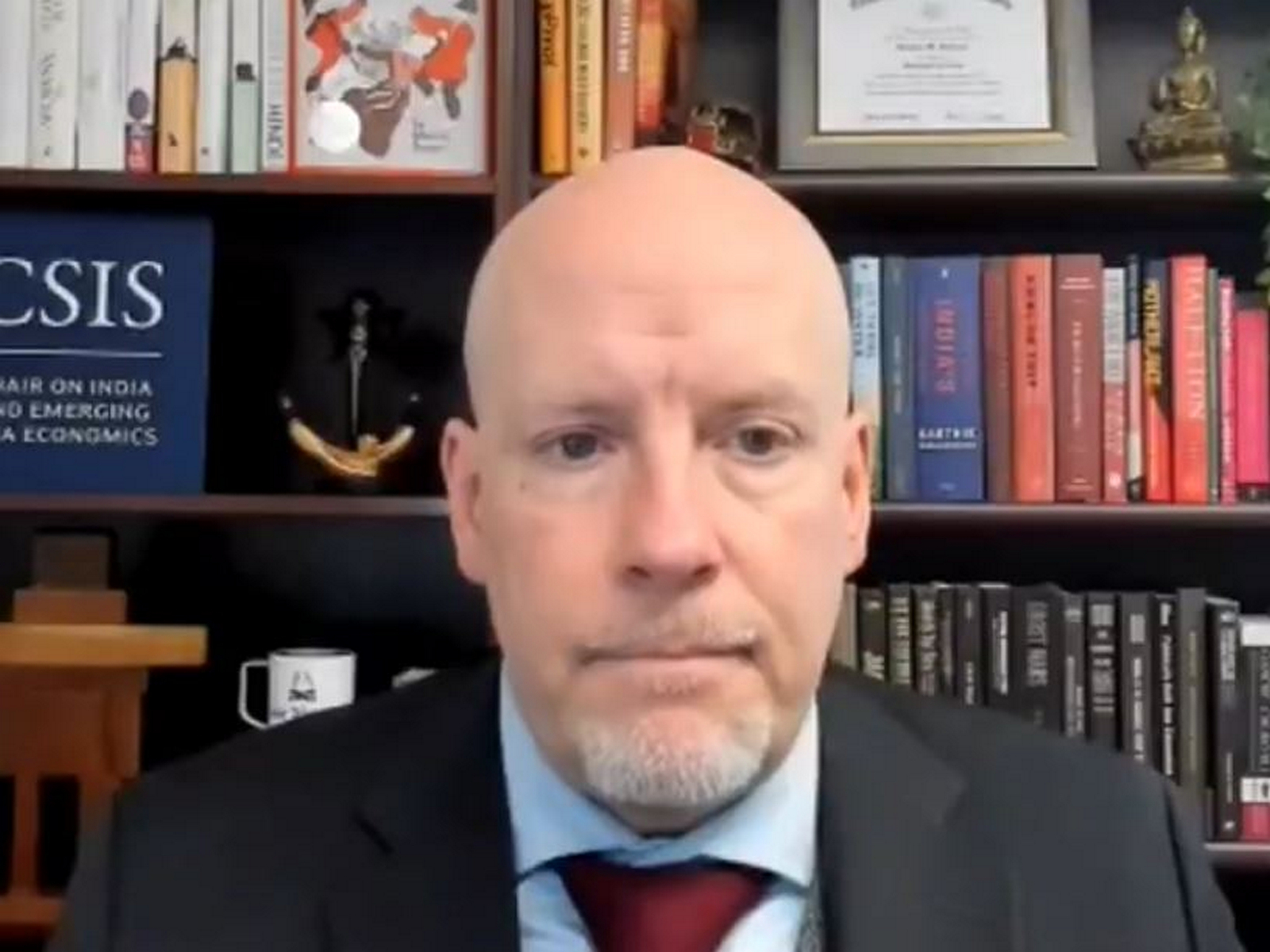
Washington DC [US], January 28 : Senior Advisor at the Center for Strategic and International Studies (CSIS), Richard Rossow, on Wednesday described the recently concluded India-European Union Free Trade Agreement (FTA) as "a celebration", highlighting a significant shift in Prime Minister Narendra Modi's trade policy from what he termed "pure play protectionism" during the Prime Minister's first term.
Speaking to ANI, Rossow said that PM Modi's initial term, beginning in 2014, was marked by a protectionist approach, characterised by higher customs duties and strict domestic manufacturing rules, to an openness (2021-2026), which focuses on high-value Free Trade Agreements (FTAs) alongside the "Atmanirbhar Bharat" (self-reliant India) initiative.
However, he noted that a clear change emerged midway through the second term, with policymakers increasingly recognising the importance of integrating India into global supply and value chains.
He said discussions consistently underscored the need for lower customs duties and reduced trade barriers on input goods and raw materials to strengthen India's manufacturing sector.
"PM Modi's first term in 2014 was pure-play protectionism. You saw higher customs duties, domestic manufacturing rules... But during the second term, about midway through, you began to see a very different perspective on trade," Rossow said.
"I remember travelling to India and meeting many people in the government. One thing they pointed to was the good work being done, even at the state level in India, to help governments attract major investments to enter global supply and value chains. One thing that came up consistently was the need for low customs duties and low barriers to trade on input goods and raw materials to boost your manufacturing industry. That was probably one of the most significant factors, something we had been counselling India on for quite some time... We don't even listen to that quite as much ourselves in the United States anymore," he added.
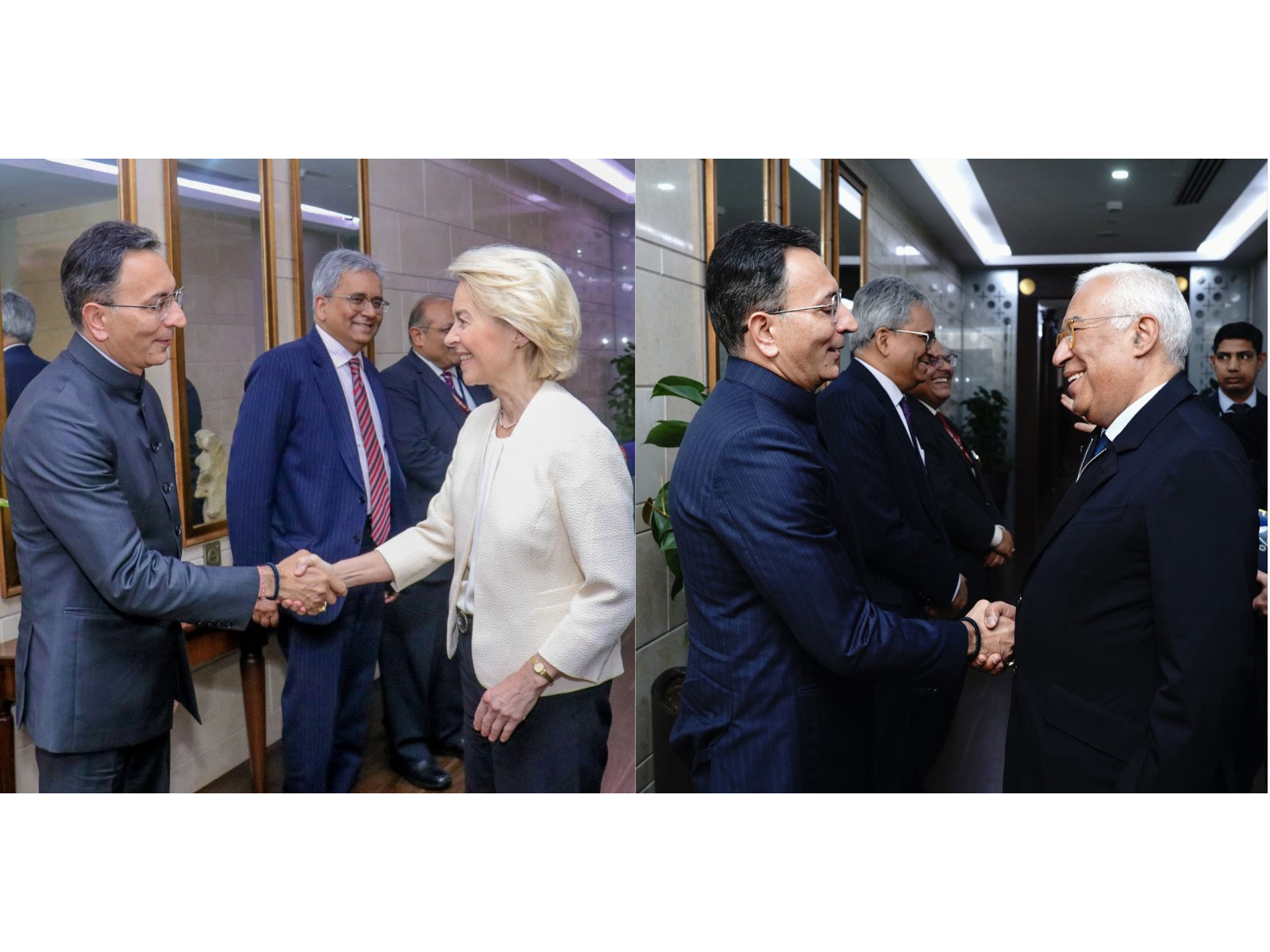
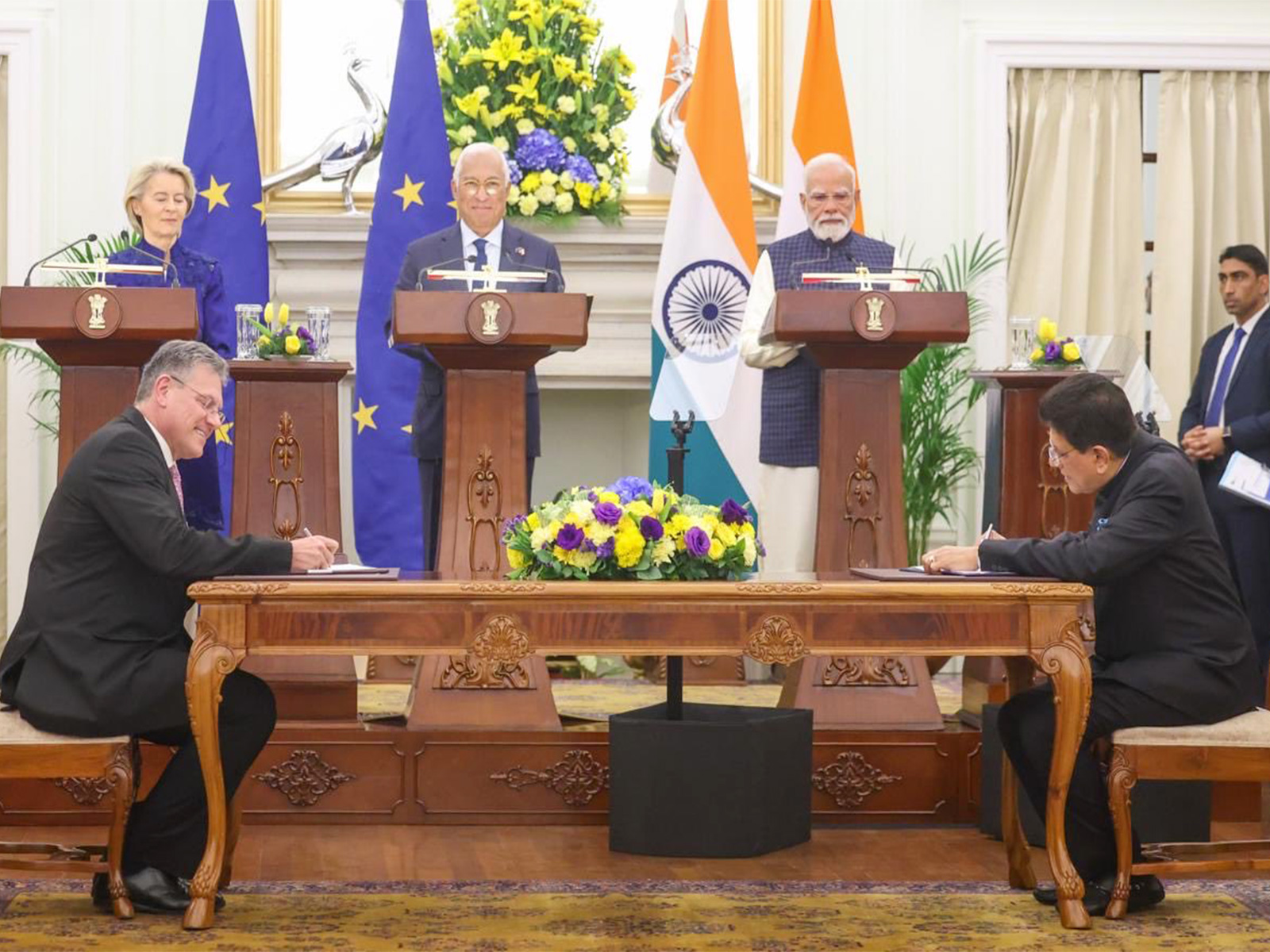
The defining moment of this shift is the 2026 conclusion of the India-EU Free Trade Agreement, described as a "mother of all deals," marking a move away from inward-looking policies toward deep integration with key Western economies.
The deal is with one of India's most strategic economic partnerships, designed as a modern, rules-based trade partnership, which responds to contemporary global challenges while enabling deeper market integration between the world's fourth- and second-largest economies.
With a combined market estimated at over Rs 2091.6 Lakh Crore (USD 24 trillion), bringing unparalleled opportunities for the 2 billion people of India and the EU, the FTA unlocks significant potential for trade and innovation.
Rossow also pointed to India's growing focus on partnerships with developed economies and its recognition of labour-intensive industries as a key strength.
According to him, India has sought to balance liberalisation with protections for sensitive sectors, particularly the agricultural sector.
"If you look at the agreements India is signing now, you see this visible and intentional approach where they're looking mostly towards developed countries. India realises that when it comes to trade, labour-intensive industries are a real area of strength, but when partnering in areas where India is less competitive, India is not going to lose out, but you need to make sure you have protections for the one area that still can't be touched, which is basic agriculture," the senior advisor said.
"India is kind of walking back from some of its review mechanisms of standards and what they could import. That's great to see. You also see intentionality in the budget over the last couple of years... So not just in trade agreements, but in some other avenues too, you see where India is trying to unpack some of the work they'd done early on in trade protectionism and being a lot more open, which is good to see," he added.
Commenting on the standout elements of the India-EU FTA, Rossow noted that negotiations had been underway for nearly two decades, noting that India was reluctant to enter trade agreements with advanced commitments on market access and liberalisation.
He added that India's recent deals have featured "firmer and deeper commitments", noting the positive optics surrounding the agreement that reflect the strength of its substance.
"When they first started negotiations, India was willing to sign trade agreements, but not normally those that had cutting-edge commitments in terms of market access and liberalisation. We saw during PM Modi's second term a big shift in India toward trade agreements with groundbreaking provisions. You saw this steady stream of India's recent deals having firmer and deeper commitments. So it wasn't surprising this thing started to move," Rossow said.
"But what a celebration. A quarter of the world's population and a massive share of global trade are coming together under a significant trade agreement. So not surprising at all that the optics were quite good because the substance is quite good," he added.
In recent years, India has signed many significant trade deals, diversifying its trade partners amid volatile global economic conditions.
In March 2024, India signed the India-EFTA Trade and Economic Partnership Agreement (TEPA), which entered into force on October 1, 2025, involving Iceland, Liechtenstein, Norway, and Switzerland.
The landmark India-UK Free Trade Agreement was also signed in July 2025, in the presence of Prime Minister Narendra Modi and his UK counterpart, Keir Starmer, providing greater access to goods and services between the two countries.
India also signed the Economic Cooperation and Trade Agreement (ECTA) with Australia back in December 2022.
Over 85 per cent of Australian goods exports to India by value are now tariff-free, rising to 90 per cent by 1 January 2026, and high tariffs have been reduced on some additional agricultural products. In addition, 96 per cent of imports from India are now tariff-free, rising to 100 per cent by 1 January 2026.