Customs duty cut on aircraft parts announced in Budget 2026 to reduce cost of maintenance: Boeing
Feb 12, 2026
New Delhi [India], February 12 : The Union Budget 2026, in a significant policy push to India's aviation manufacturing ecosystem for strong industry endorsement, removed basic customs duty (BCD) on aircraft components and parts, aiming to boost India's aviation manufacturing ecosystem and reduce import dependence.
Boeing welcomed the government's decision to remove the 7.5%-15% basic customs duty on components and parts used in the manufacture of civilian aircraft, calling it a transformative step for the sector. This move is expected to reduce manufacturing costs by 5-7% and support local players such as Hindustan Aeronautics Ltd (HAL) and MRO providers.
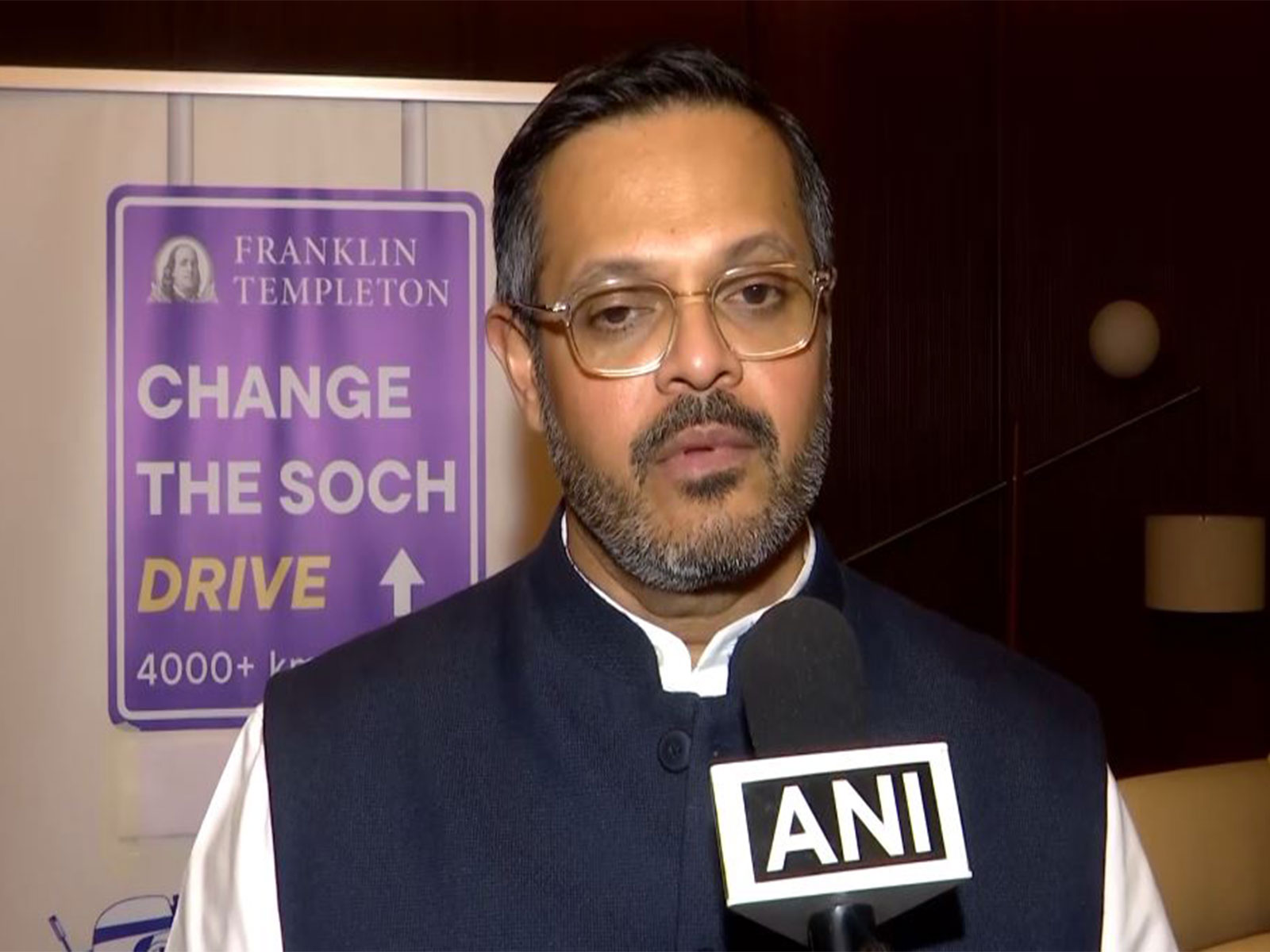
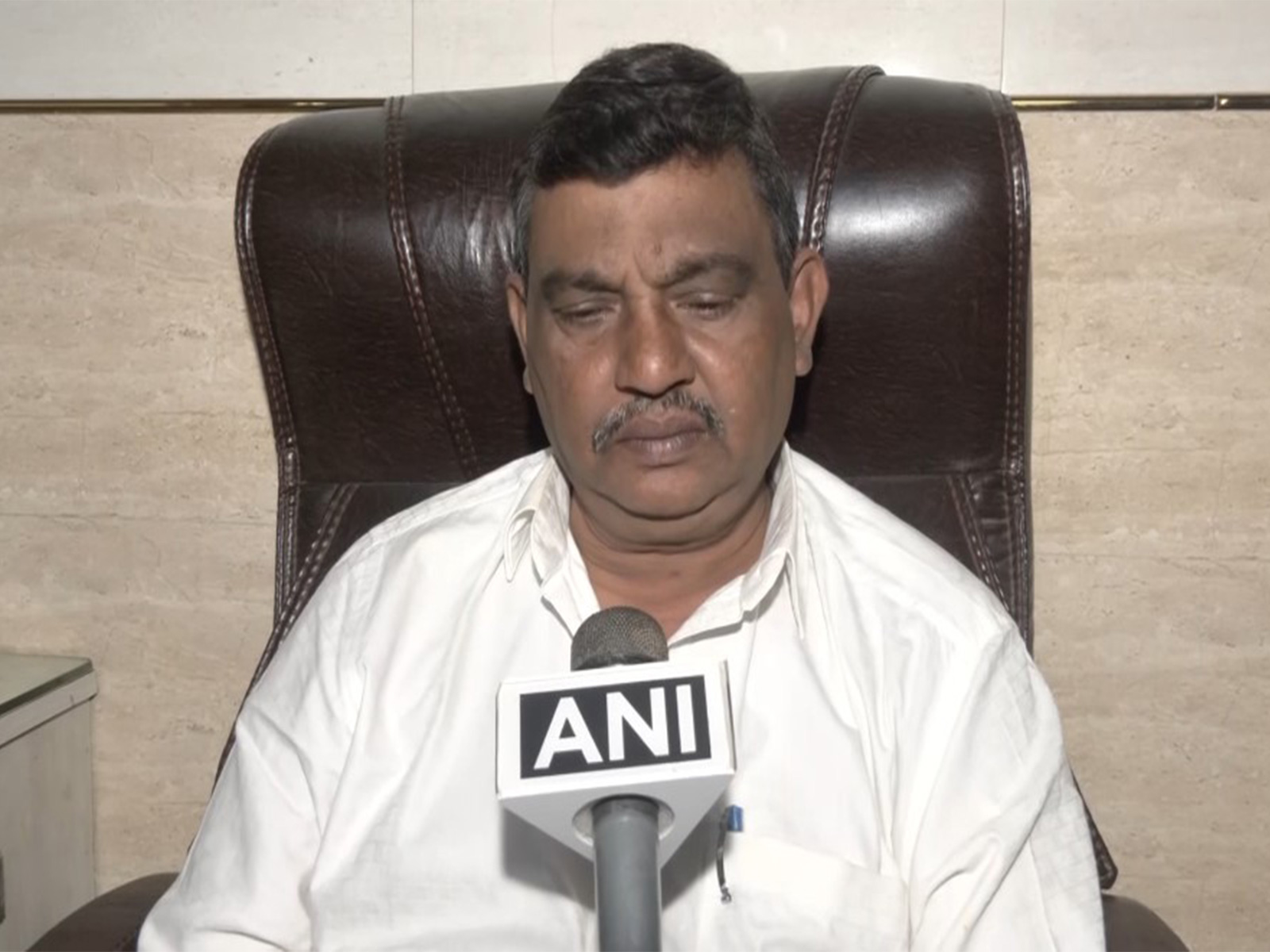
Speaking to ANI, a Boeing official said, "By exempting basic customs duty on raw materials and components, the government has lowered entry barriers and reduced costs for manufacturers and suppliers and a long standing industry demand and directly reduced the cost of aircraft maintenance in India."
Boeing India welcomed the move, citing reduced maintenance costs and accelerated industrial growth.
"This reform strengthens the foundation for domestic production, deepens the aerospace supply chain, makes Indian Maintenance, Repair and Overhaul (MROs) more competitive with global hubs, and accelerates the Make in India vision of establishing India as a leader in aviation manufacturing and services," he added.
Boeing projects that India and South Asia will require nearly 3,300 new commercial aeroplanes over the next two decades, driven by rapid economic growth, expanding middle-class travel, and increasing connectivity.
"This growth is reshaping travel patterns, enabling greater point-to-point connectivity across India and into international markets. To support the expected fleet growth, investment in the South Asia region's industry will require more than USD 195 billion in aviation services, including maintenance, repair and modifications, digital services and training," the official said.
Boeing projects the India and South Asia aviation industry will also need approximately 141,000 new professionals, including about 45,000 pilots, 45,000 technicians and 51,000 cabin crew, over the next two decades
"On the supply side, we are progressively increasing production rates across key programs as supply-chain stability improves. Equally important, we are investing in the ecosystem that surrounds the aircraft - engineering capability, maintenance readiness, logistics infrastructure, and workforce development, to ensure growth is sustainable and predictable," he said.
"Investments across co-production and co-development, MRO capability, spares availability, digital solutions for predictive maintenance, and workforce skilling, including programs such as the Boeing Kaushal skilling program, and STEM initiatives like the Boeing Sukanya Program, reflect this long-term approach. By combining advanced aircraft deliveries with deeper local capability, we are positioning India as a core pillar of Boeing's global aviation ecosystem, not just a destination market," he said.
Air India's recent order for 30 additional Boeing 737 MAX aircraft, including 20 737-8 and 10 737-10 jets, further underscores Boeing's strong presence in the Indian market.
"The 737 MAX family is the world's most successful single-aisle platform, offering unmatched efficiency, flexibility, and reliability. With a 20% reduction in fuel use and CO₂ emissions, and more than 1 million passengers flying on a MAX every day, it's a proven backbone of global aviation. India's aviation sector is entering a new growth phase, already the world's third-largest domestic market, expanding rapidly into Tier-2 and Tier-3 cities, and driving demand for modern fleets."
"We see tremendous opportunity here, and Boeing is committed to supporting India's airlines with innovation, capability, and partnership that go beyond aircraft sales," the Boeing official said.
Boeing also highlighted its Boeing University Innovation Leadership Development (BUILD) program as a catalyst for India's startup ecosystem.
"Over five years, we have created a platform that de-risks early innovation by providing structured mentorship, industry expertise, incubation partnerships, and investor access. This accelerates the journey from concept to commercialisation and prepares startups for scale. The impact is twofold: we strengthen India's innovation ecosystem and directly advance the Make in India vision by turning homegrown ideas into market-ready capabilities, especially in advanced engineering and technology domains," he said.