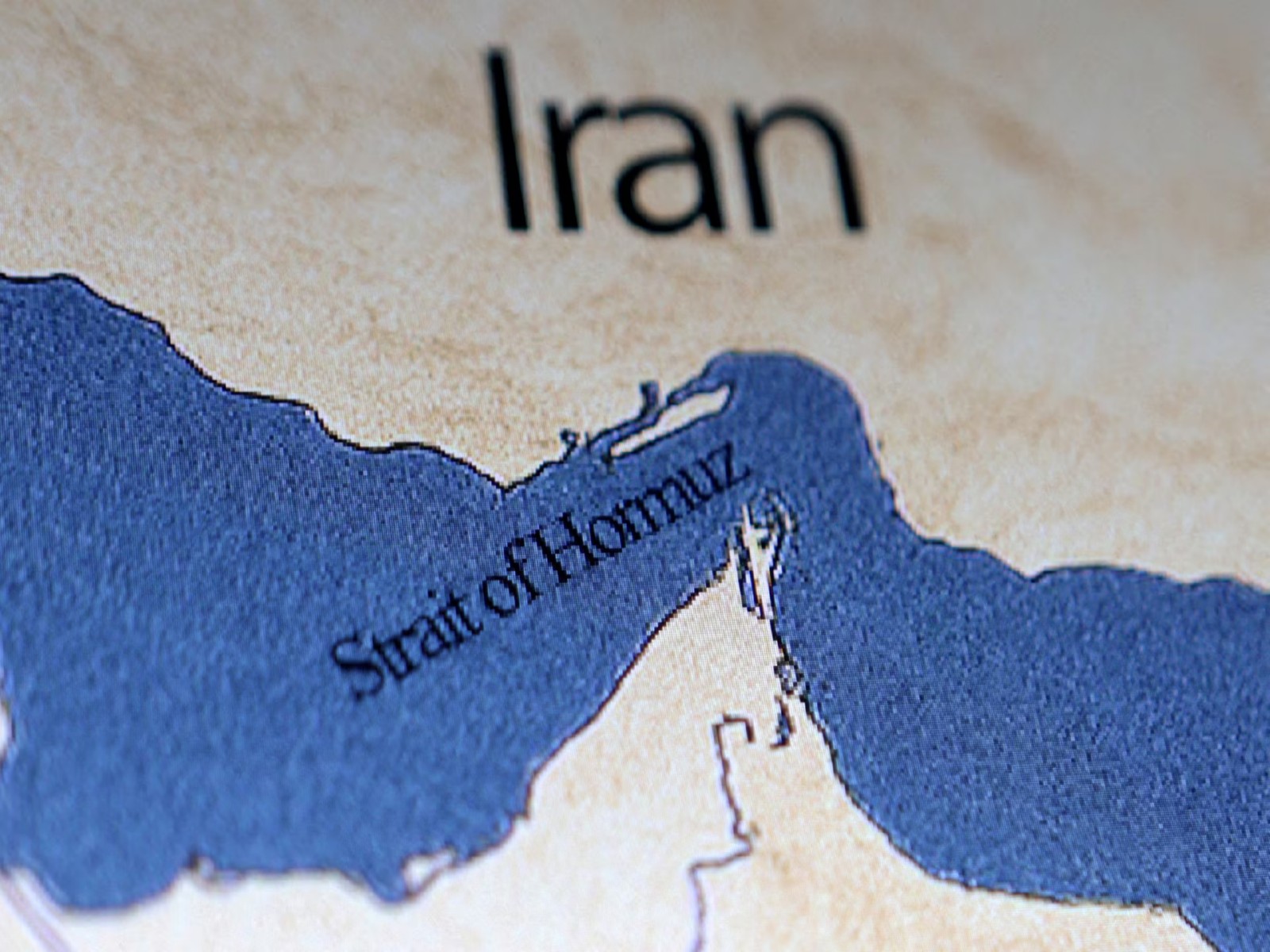
"Deadly whirlpools": Iran's Revolutionary Guards warn US as Trump orders naval blockade of Strait of Hormuz
Apr 12, 2026
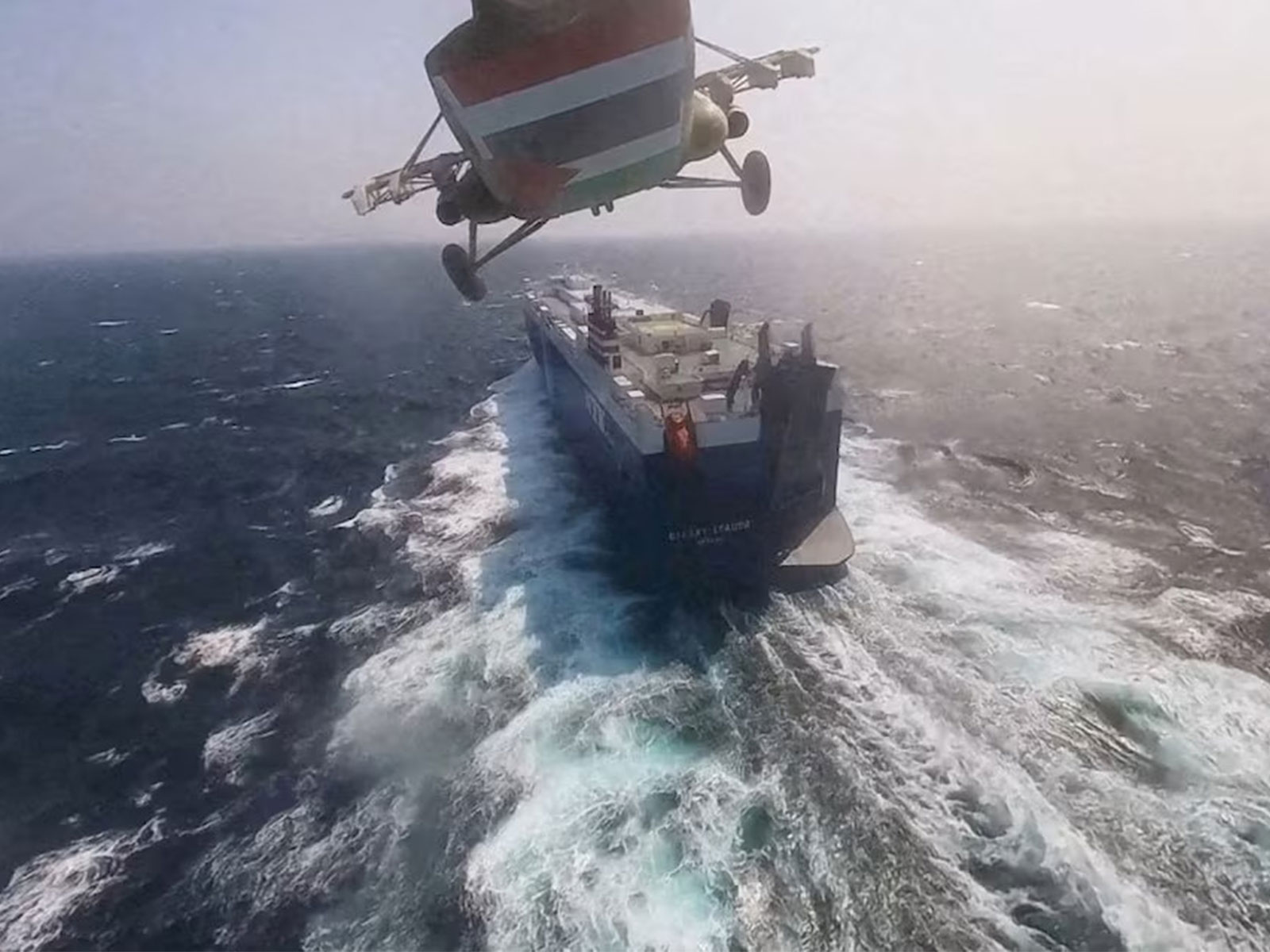
Tehran [Iran], April 12 : In a significant escalation of regional tensions, Iran's Revolutionary Guards have issued a stark warning to Western forces following the recent US naval blockade of the strategic Strait of Hormuz. The elite military wing cautioned that any aggression would be met with overwhelming force in the maritime corridor.
The Revolutionary Guards warned that "any miscalculated move will trap the enemy in the deadly whirlpools in the Strait." This statement comes as a direct response to the heightened American military presence ordered by President Donald Trump along the vital global shipping route.
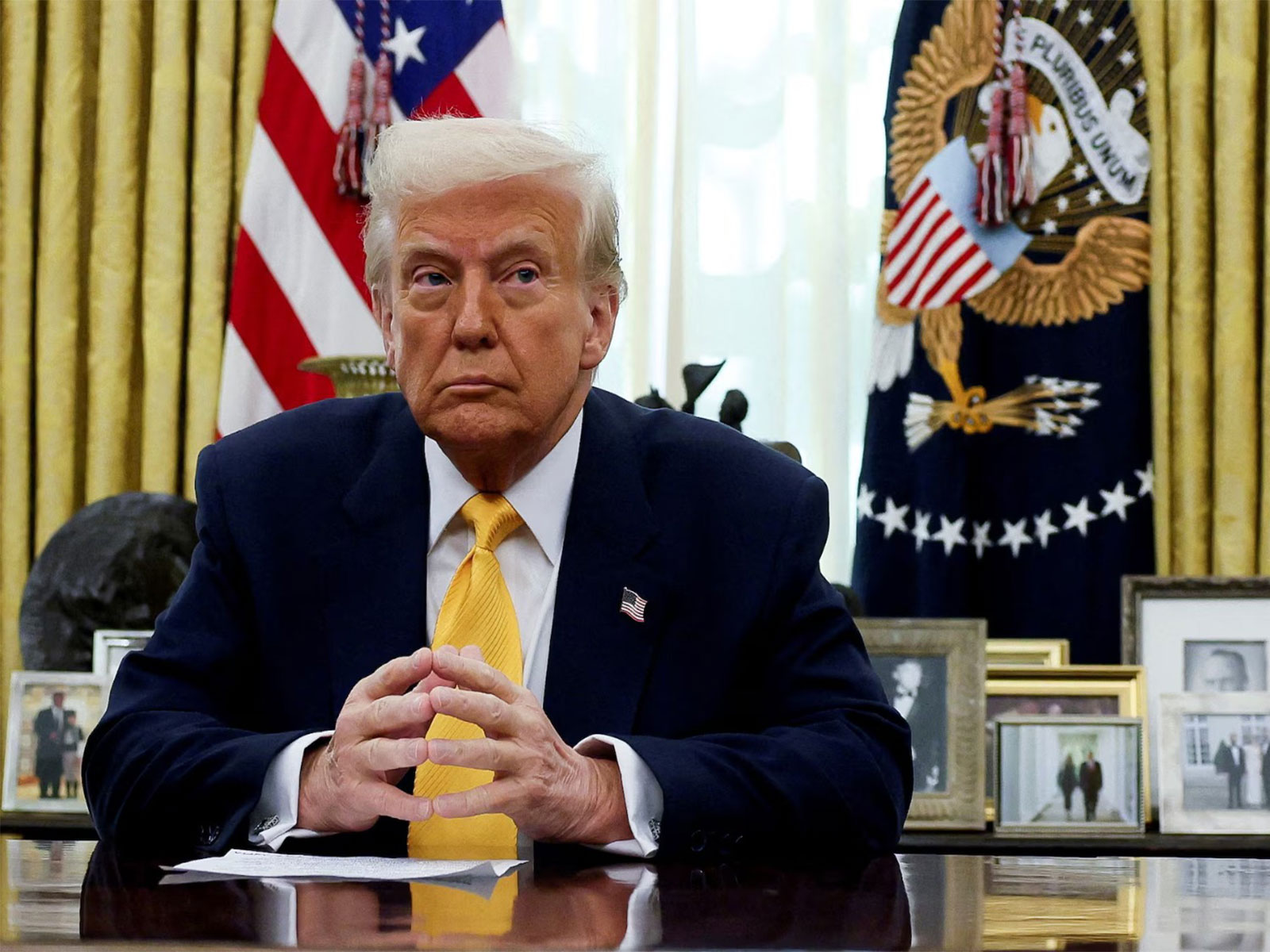
Asserting their dominance over the waterway, the Guards' naval command confirmed through a post on X that Iranian security forces had the Strait of Hormuz "under full control." This defiance follows a major policy shift from Washington, where President Donald Trump announced on Sunday that the American Navy will henceforth block all maritime traffic entering the Strait.
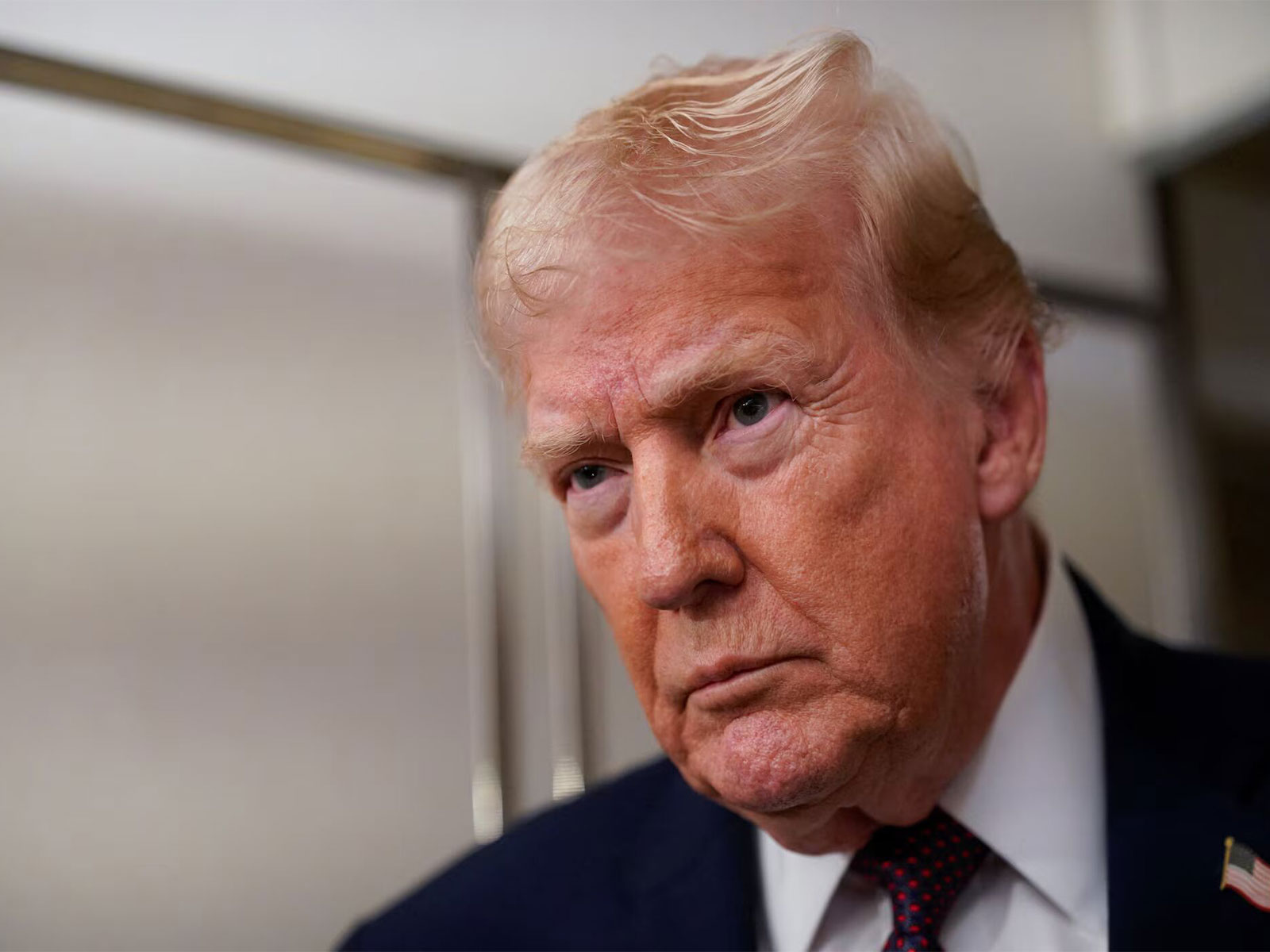
The US President further stated that the military would interdict any vessel in international waters found to have paid transit tolls to Tehran. Outlining the decision in a post on Truth Social, Trump criticised the Iranian leadership for reneging on previous diplomatic commitments. "Iran promised to open the Strait of Hormuz, and they knowingly failed to do so. This caused anxiety, dislocation, and pain to many people and countries throughout the world," the President wrote.
Addressing the reported military threats in the region, Trump dismissed Tehran's claims regarding its maritime capabilities. "They say they put mines in the water, even though all of their navy, and most of their 'mine droppers,' have been completely blown up," he asserted. This significant escalation in US naval policy follows the breakdown of high-stakes negotiations in Islamabad, which has left the existing two-week ceasefire in a precarious state.
Earlier in the day, President Trump had shared an article from Just the News suggesting that a naval blockade was a viable strategic option following the stalemate in Pakistan. The report cited national security experts who noted that the US Navy could "out-blockade" Iran, pointing to the presence of the USS Gerald Ford and USS Abraham Lincoln in the Persian Gulf as assets capable of exerting complete control over the waterway.
The move towards a more aggressive maritime posture comes as US Vice President JD Vance departed Islamabad after talks hit a gridlock. "We've had a number of substance agreements with the Iranians--that is the good news. The bad news is that we have not reached an agreement. That is bad news for Iran, much more than it is bad news for the United States of America," Vance told reporters before his departure.
In response to the diplomatic impasse, Iran's Foreign Ministry spokesperson Esmaeil Baqaei emphasised that Tehran remains determined to utilise all tools to protect its national interests. He stated that while the sessions covered the nuclear issue, war reparations, and the lifting of sanctions, the success of the process remained hindered by the "excessive demands" of the opposing side.
Baqaei maintained that Iran's resolve remains unshaken, asserting that any further progress depends on the acceptance of Iran's "legitimate rights and interests" as tensions continue to mount over the control of the world's most critical energy chokepoint.