Delhi Court directs forensic voice analysis of victim in Unnao-linked case
Jan 06, 2026
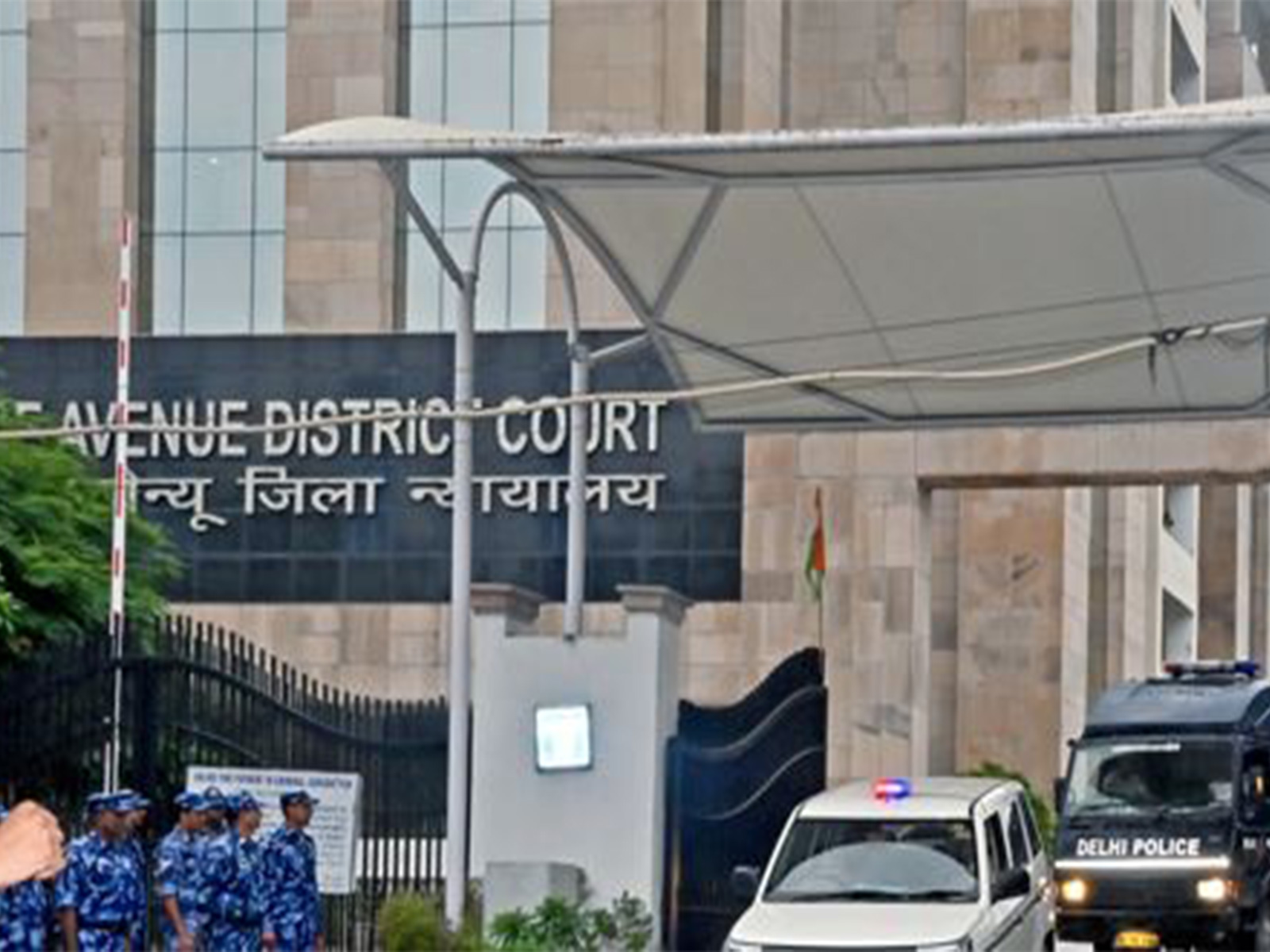
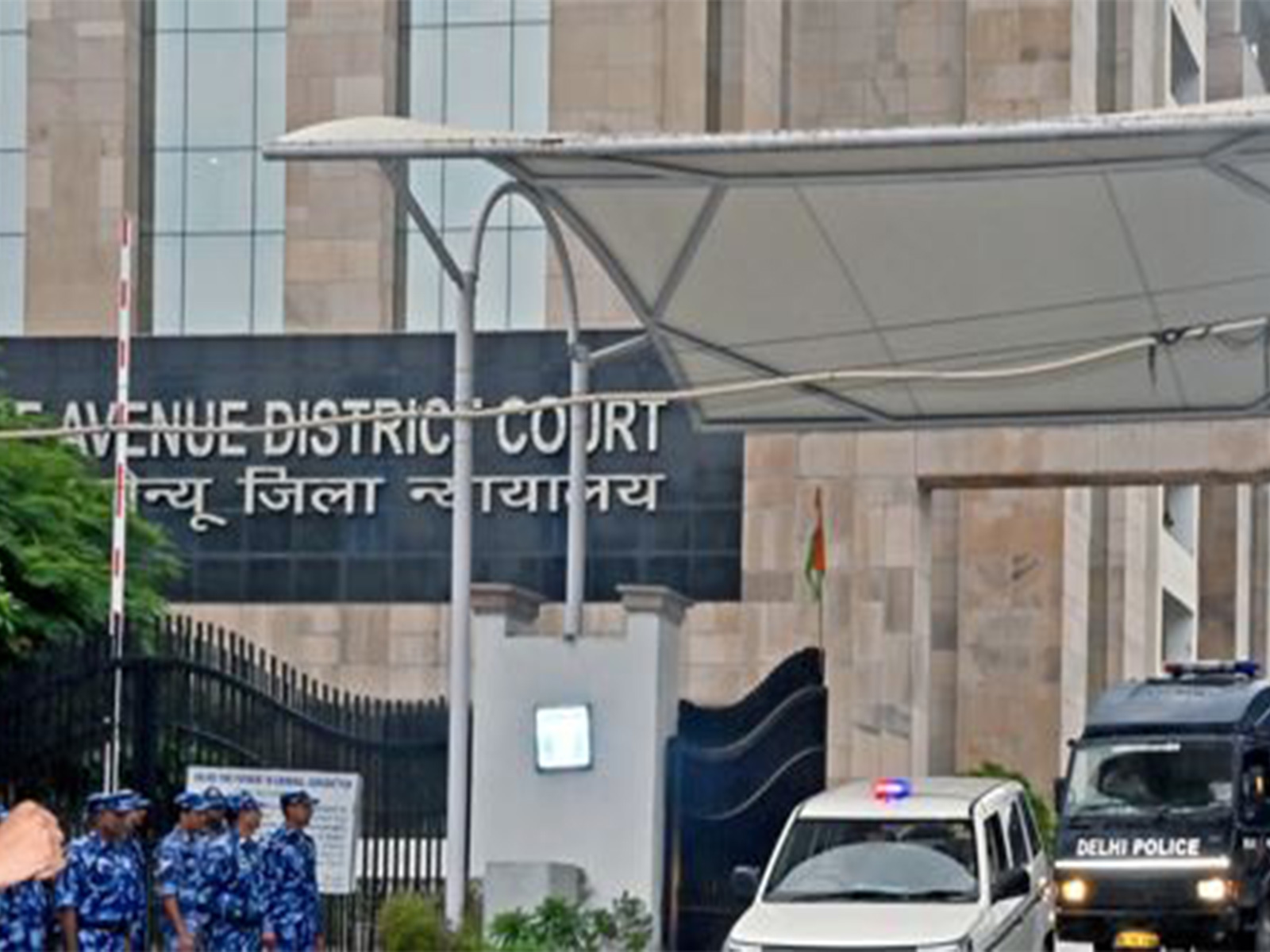
New Delhi [India], January 6 : The Rouse Avenue Court on Tuesday allowed an application filed on behalf of accused Shubham Singh, directing that the prosecutrix's (victim) voice sample be taken and sent for forensic examination to determine its match with disputed audio and video recordings already forming part of the case record.
Shubham Singh is the son of Shashi Singh, a close aide of suspended BJP MLA Kuldeep Singh Sengar. He is an accused in a separate case connected with the alleged gang rape of the Unnao rape survivor.
The application was moved by the defence through Advocate Akhand Pratap Singh, alongwith Advocates Samridhi Dobhal and Hritwik Maurya appearing for Shubham Singh, seeking scientific voice sampling of the victim and comparison by the Central Forensic Science Laboratory (CFSL). It was contended that the prosecutrix had denied that the voice in the recorded conversations belonged to her, despite those recordings forming part of the case material relied upon during the course of the trial.
The defence argued that the recordings contained statements wherein the prosecutrix allegedly admitted that she had left the house of her own free will. It was submitted that forensic voice analysis was essential to test the credibility of her testimony and that denial of such scientific examination would deprive the court of crucial objective evidence, particularly when the recordings carried potential exculpatory value for the accused. Advocate Hemant Shah appeared for Naresh Tiwari, another accused in the matter.
Emphasising the right of the accused to a fair trial, Advocate Singh submitted that expert voice spectrographic analysis by the CFSL was necessary to ensure that the authenticity of the disputed recordings could be independently verified through scientific means.
After considering the legal position and relevant judicial precedents governing voice sampling and forensic comparison, Special Judge (Prevention of Corruption Act) Murari Prasad Singh of Rouse Avenue Court held that permitting scientific examination would assist the truth-finding process and would not prejudice the prosecution. Accordingly, the court directed that the prosecutrix's voice sample be collected strictly in accordance with the law and forwarded to the CFSL for comparison with the questioned audio and video recordings.
The court clarified that the forensic exercise was being permitted solely to aid the adjudicatory process and that the evidentiary value of the expert report would be assessed at the appropriate stage of the trial.