Delhi EV policy-future looking but needs clarity on financing and battery-as-a-service: YOUDHA CEO Ayush Lohia
Apr 13, 2026
New Delhi [India], April 13 : As Delhi pushes ahead with an aggressive shift towards electric mobility to curb pollution, industry players have largely welcomed the government's Electric Vehicle (EV) Policy 2026-2030 (Draft), while also flagging key gaps that could impact adoption.
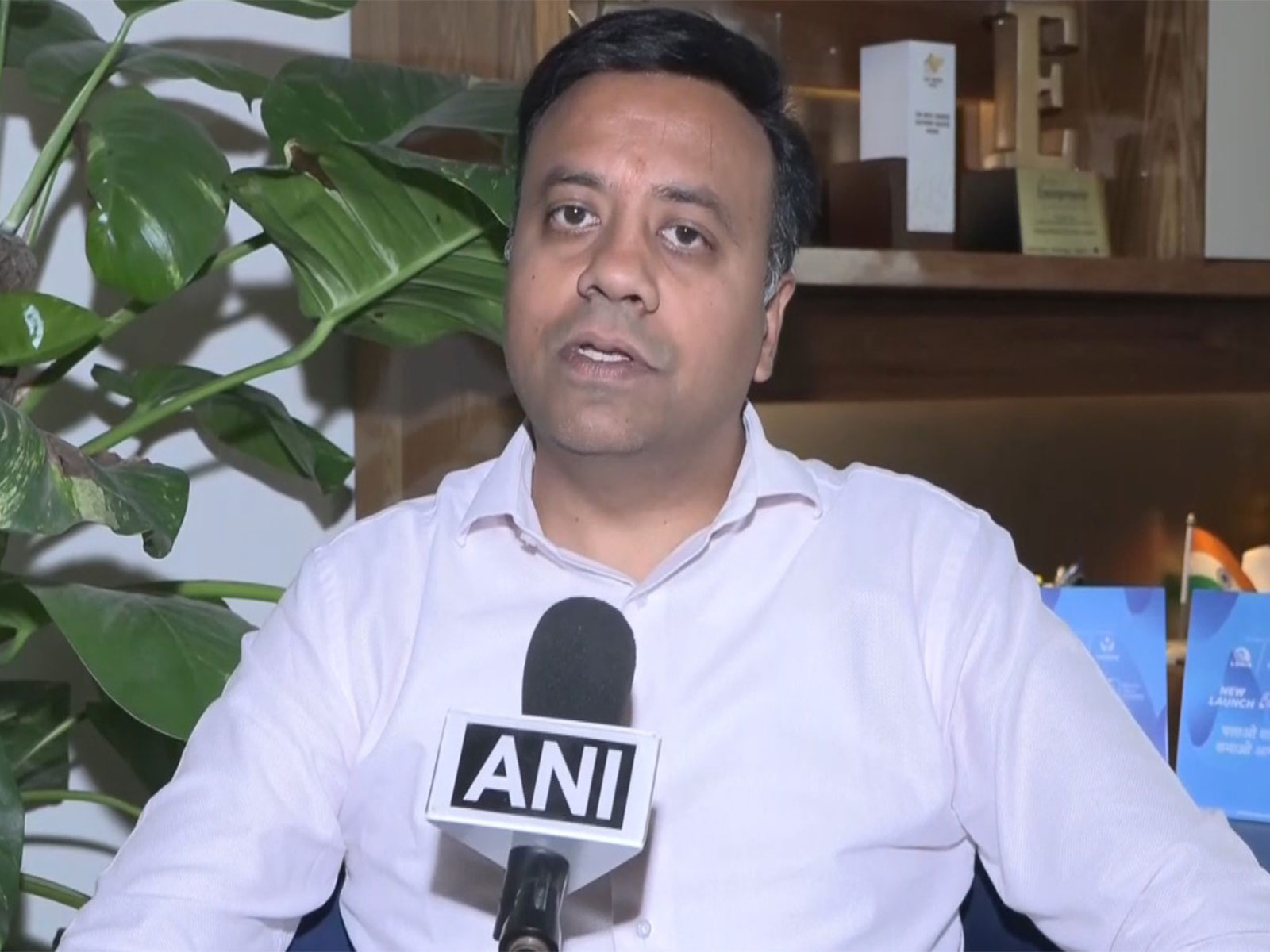
Ayush Lohia, CEO - YOUDHA (an EV auto company), in a conversation with ANI on Monday, termed the Delhi Government's Electric Vehicle (EV) Policy 2026-2030 (Draft) as "very prospective and future-looking," while highlighting gaps in retail financing and battery-as-a-service that need to be addressed.
Lohia said the policy sends a strong signal about the government's intent to transition from gasoline vehicles to electric mobility, with clear timelines for achieving electrification targets.
"There is no doubt that the government has given a clear-cut mandate that they want to shift from gasoline vehicles to electric vehicles and have also clearly mentioned timelines for 100 per cent electric new vehicle sales in Delhi," he said.
The draft policy outlines purchase incentives across segments, including up to Rs 30,000 for electric two-wheelers in the first year, Rs 50,000 for electric three-wheelers, and Rs 1,00,000 for electric goods vehicles.
It also provides scrapping incentives of Rs 10,000 for two-wheelers, Rs 25,000 for three-wheelers, and up to Rs 1,00,000 for cars priced up to Rs 30 lakh, along with 100 per cent exemption on road tax and registration fees for EVs.
Lohia noted that the policy comprehensively addresses consumer incentives, scrappage benefits, and charging infrastructure.
"They have clearly mentioned the benefits of scrapping old gasoline vehicles and buying new EVs. Infrastructure related to charging stations, swapping stations and buses has also been well covered," he said.
However, he pointed out that retail financing remains a key missing element.
"The only aspect missing is retail finance. Even today, EV financing costs are higher than gasoline vehicles, and priority lending benefits are not included. If incentives are extended through PSU banks or NBFCs, adoption will accelerate further," he added.
He also flagged the absence of clarity on battery-as-a-service models.
"They have talked about swapping, but battery-as-a-service or leasing needs to be clearly defined. This can reduce upfront costs for consumers and improve adoption," Lohia said.
Battery-as-a-Service (BaaS) is a model in which the battery of an electric vehicle is not owned by the buyer but is provided separately on a subscription or lease basis. This reduces the upfront cost of the vehicle, as the battery is the most expensive component of an EV.
Highlighting infrastructure readiness, Lohia said charging networks are expanding rapidly, with reduced charging times and multiple options, including home charging and public charging points.
On mandates, the policy proposes that only electric three-wheelers will be allowed for new registrations from 2027 and only electric two-wheelers from 2028, while school buses must have at least 30 per cent electric fleet by 2030.
Calling the move "strong and welcoming," Lohia said the mandates provide clarity to manufacturers and consumers on the transition path.
He added that the three-wheeler segment is already at a tipping point, with electric vehicles outpacing gasoline vehicles in new sales.
"The policy may have been delayed by two to three years for some segments like three-wheelers, but it is a very welcome move now," he said.
Lohia said the policy could significantly accelerate EV adoption across segments, though addressing financing and battery models would further strengthen its impact.