Delhi govt issues policy for commercial LPG cylinder distribution amid scarcity
Mar 14, 2026
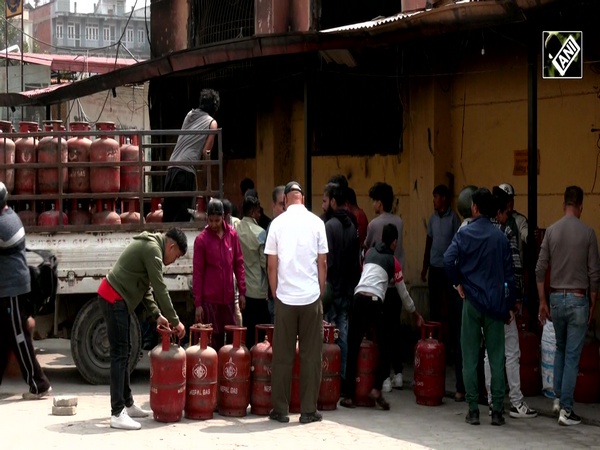
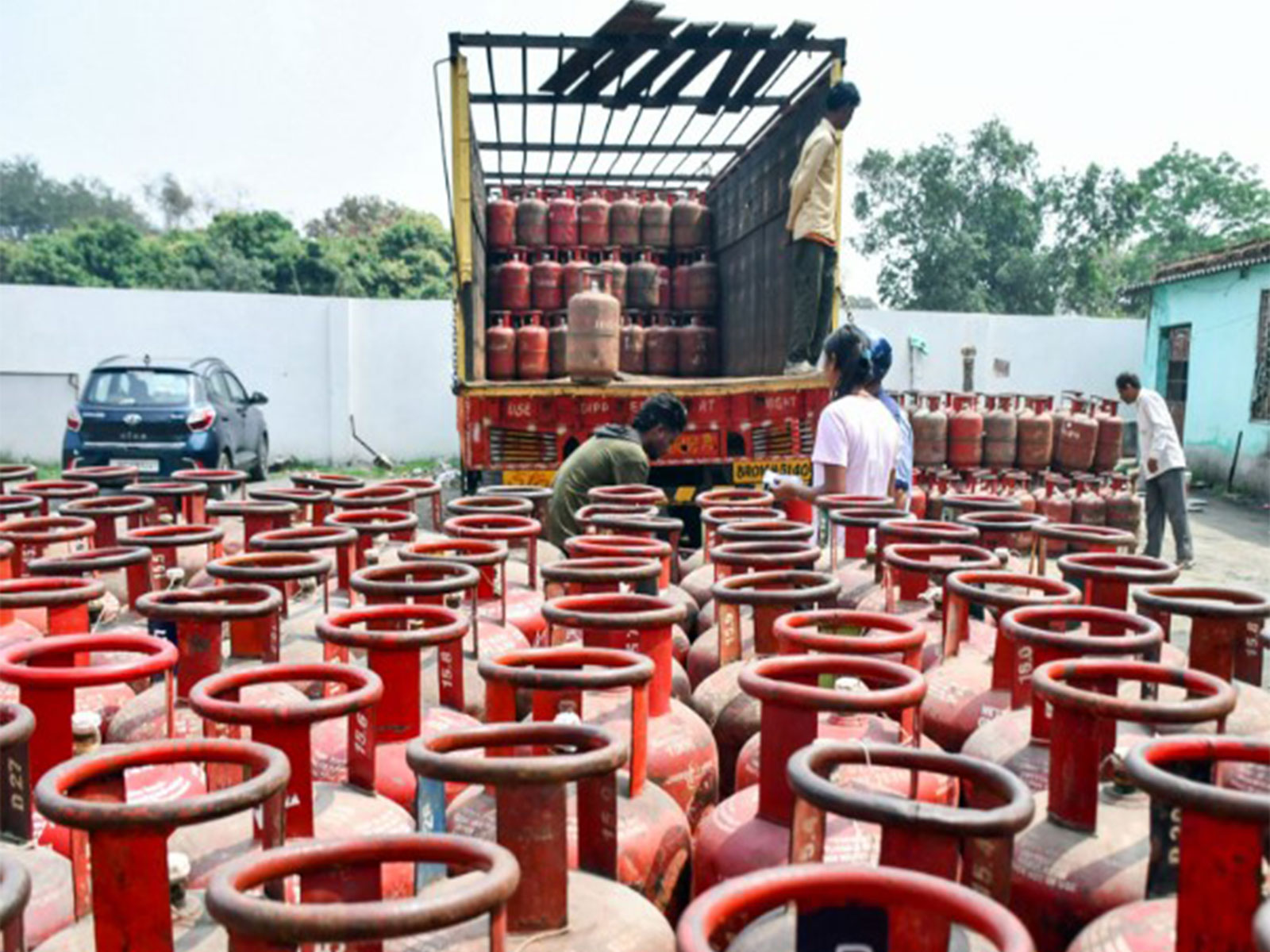
New Delhi [India], March 15 : The Delhi government issued a priority-based policy for the distribution of commercial LPG cylinders amid the prevailing scarcity situation in the national capital.
The policy notice, issued on March 14 by the Department of Food, Supplies and Consumer Affairs in compliance with directions of the Union Ministry of Petroleum and Natural Gas, mandates that up to 20 per cent of the average daily commercial LPG cylinder consumption in Delhi, approximately 1,800 cylinders, be made available for regulated distribution through the three Oil Marketing Companies (OMCs).
The notice said that under the priority-based allocation framework, eight sectors have been identified.
"Educational institutions, hospitals, railways and airports have been accorded Priority 1 status and will receive up to 100% of their daily requirement, capped at 11% of the total allocation with an approximate daily consumption of 200 cylinders. Government and PSU institutions, departments and canteens operating on their premises have been placed at Priority 2 with a 13% cap (236 cylinders). Restaurants and eateries, accounting for the largest sectoral share, have been placed at Priority 3 at 42% (762 cylinders), followed by hotels, hospitality units, guest houses and trusts at Priority 4 with 4% (72 cylinders). Dairies, bakeries and sweet shops stand at Priority 5 with 11% (200 cylinders), caterers and banquet halls at Priority 6 with 9% (162 cylinders), dry cleaning, packaging and pharmaceutical units at Priority 7 with 1% (18 cylinders), and sports facilities, stadiums and others at Priority 8 with 8% (150 cylinders)," the notice stated.
"The daily cylinder quota will be divided among the three OMCs in proportion to their current market share -- Indian Oil Corporation (IOC) at 58%, Bharat Petroleum Corporation Limited (BPCL) at 27%, and Hindustan Petroleum Corporation Limited (HPCL) at 15%," the notice stated.
On the mode of supply, the policy notice said, "Supply will be made primarily in the standard 19-kg cylinder format, except where specific capacity requirements exist for Priority 1 institutions. No supply will be made in 5-kg cylinders, as their distribution is not undertaken through LPG distributors in the commercial supply chain."
Distribution will be based strictly on booking requests made by consumers, with pending requirements to be fulfilled on a First-In-First-Out (FIFO) basis.
To prevent hoarding and ensure equitable distribution, the notice said, "the daily quantity supplied to each consumer will be determined based on their average daily consumption during the preceding three months, as recorded in OMC software systems. Supply will be restricted to the sectoral cap percentages indicated in the priority table."
"Joint enforcement teams comprising the Food and Civil Supplies Department, Delhi Police, Legal Metrology Department, and the OMCs will conduct regular inspections and enforcement operations to prevent diversion, hoarding, illegal storage, under-weighing and black marketing of LPG cylinders. Strict action will be taken under the provisions of the Bharatiya Nyaya Sanhita, the Essential Commodities Act, 1955, and the LPG (Regulation of Supply and Distribution) Order against any violations," the notice stated.
To reduce pressure on commercial LPG demand during the present supply constraints, the notice said, "Institutions have been encouraged to temporarily adopt alternative cooking systems, including electric induction cooking, steam-based cooking systems, and Piped Natural Gas (PNG) connections wherever available."
To prevent panic and misinformation, "The Delhi Government will issue daily supply bulletins regarding the availability of LPG cylinders. OMCs have been directed to undertake public awareness messaging urging consumers to avoid panic booking, not hoard LPG cylinders, and report any illegal diversion, hoarding or black marketing," the policy notice stated.
The policy, issued with the approval of the Competent Authority and signed by Additional Commissioner (F&S) Arun Kumar Jha, may be reviewed and revised from time to time depending on the evolving supply-demand situation.